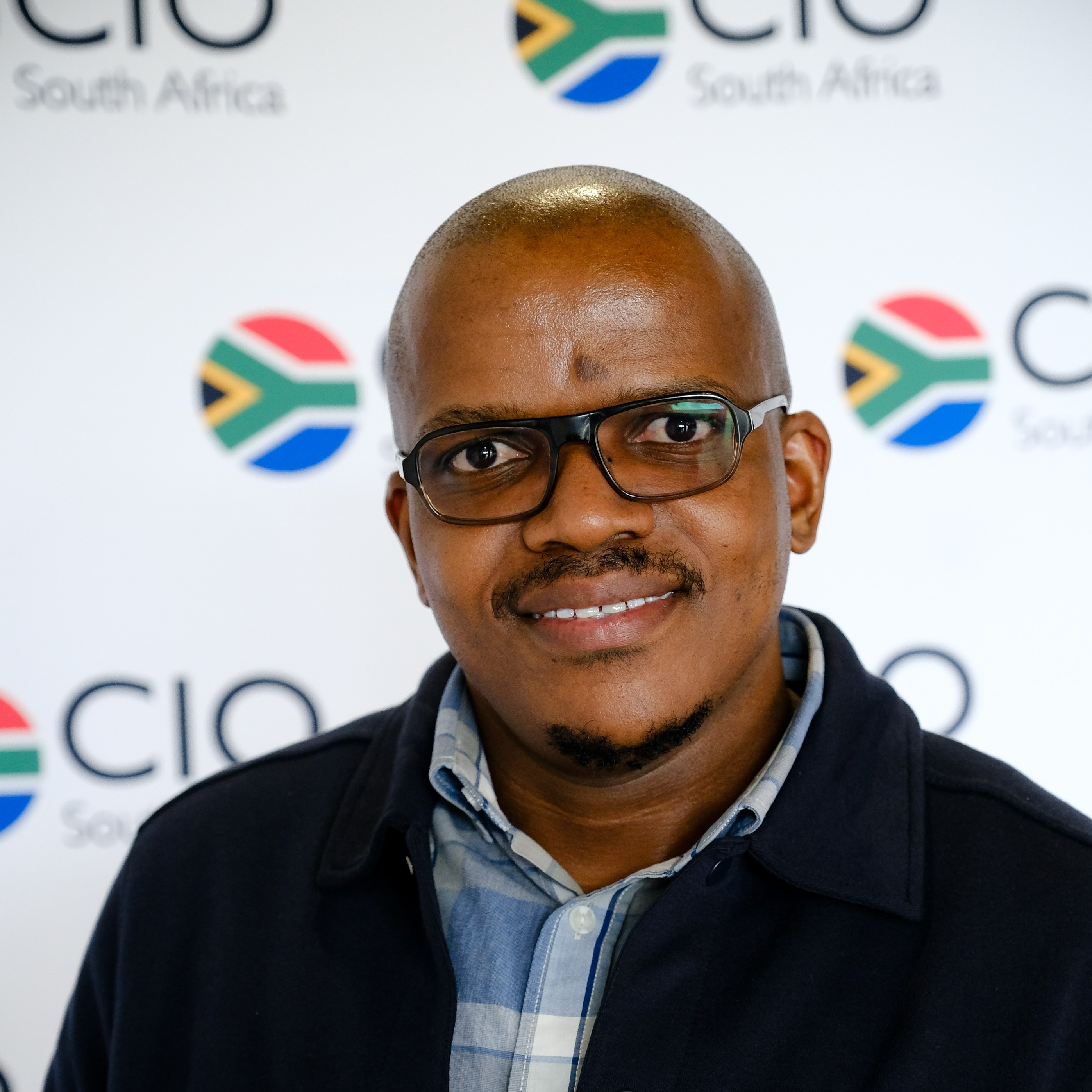

CIO South Africa caught up with Eugene van der Lingen, chief information officer at the Africa Health Research Institute and Aveena Mothilall, group head of data and analytics at Engen, to find out what areas they’ll be prioritising in 2025.
Aveena Mothilall and Eugene van der Lingen will be prioritising AI and machine learning to enhance efficiencies and customer experiences in 2025. They also highlight the need for leveraging data, optimising cloud adoption, and fostering skills growth to align IT strategies with next year’s organisational goals. Both also highlight equipping teams with advanced skills, promoting continuous learning and fostering a culture of innovation to thrive in a dynamic landscape.
Q: How are you aligning your IT strategy with evolving business goals for 2025, particularly in response to emerging technologies and market trends?
Aveena: As CDAO in an era filled with technical opportunities and capabilities to be leveraged for business value, it is crucial that the technology strategy of organisations consider the capabilities and a deliberate architectural approach to streamlining the technology stacks to drive data, analytics and AI ambitions. The focus on balancing cost optimisation in particular to cloud adoption should be a focus. The people capability strategies are a necessity to develop the people skills across the organisation, where the technology leaders influence the future of work.
Eugene: We are aligning our IT strategy with our evolving business goals for 2025 by integrating cutting-edge technologies such as artificial intelligence and machine learning to boost operational efficiencies and enhance customer experiences. We are also prioritising cybersecurity to protect our data assets and adopting agile methodologies to swiftly respond to market trends. Additionally, our focus on performant technologies ensures that our IT infrastructure not only supports, but also drives our business objectives forward.
Q: What role will data governance and cybersecurity play in your 2025 plans, and how do you anticipate addressing increased digital threats?
Aveena: Data holistically is a fundamental building block in the strategy to how digital is enabled in the future. Without data being governed, and maintaining security and compliance standards, there will be lost value opportunities. Data governance includes ensuring MDM enablement and operating models are implemented to establish this as an organisational capability for the future. Cybersecurity threats are increasing and focus on defensive strategies utilising AI to enable security operations should be a key focus to help the teams focus on threat intelligence and incident response. Ensuring data loss prevention and business continuity plans to ensure resiliency of organisations where the probability of severe attacks are increasing.
Eugene: Data governance and cybersecurity will be integral to our 2025 plans, ensuring the protection and integrity of our information assets. We plan to address increased digital threats by implementing comprehensive security frameworks, performing regular risk assessments, and utilising advanced threat detection and response systems. Additionally, we will foster a culture of security awareness and continuous improvement to safeguard our stakeholders while maintaining seamless business operations.
Q: With the rapid shift toward cloud solutions and AI-driven automation, what are your priorities for ensuring seamless integration across your IT ecosystem in 2025?
Aveena: The integration strategy and architectural patterns need to be considered from data and analytics and AI perspectives in achieving principles of trusted and secure data, especially from external data sources. The API standards and the platforms for API builds are essential for secure development and for data extract and orchestration needs. This is not merely a technology decision but an architectural design consideration.
Eugene: Our priorities for ensuring seamless integration across our IT ecosystem in 2025 include enhancing interoperability between diverse systems and fostering collaboration between our end-users and IT teams driving the change. Continuous monitoring and optimisation of our cloud environments are crucial to maintain peak performance and reliability. Additionally, integrating advanced AI tools to streamline workflows and support data-driven decision-making will maximise the efficiency and agility of our IT infrastructure.
Q: As employee experience and digital transformation remain crucial, how are you focusing on talent development and upskilling your IT teams for the future?
Aveena: The key fundamental shift is that the IT teams are no longer limited to a centralised IT function or team, but rather cross functional multi-disciplinary teams from business that will deliver solutions and business value. So the skills strategy needs to focus on all the different business employees and business technologists that work with the IT function in considering the key skills development plan. Due to the ever-changing tech skills landscape, focus on culture, ways of working and mindset shifts are critical to build creativity, curiosity, critical thinking and a growth mindset in the teams. Taking an approach around strengths based approach to build high performing teams is a continued focus.
Eugene: We are focusing on talent development and upskilling our IT teams by providing continuous learning opportunities, investing in specialised training programmes, and fostering a culture of innovation and adaptability. By equipping our employees with the latest skills and knowledge in cutting-edge technologies, we ensure they are well-prepared to drive our digital agenda and sustain our competitive edge in an ever-evolving landscape.