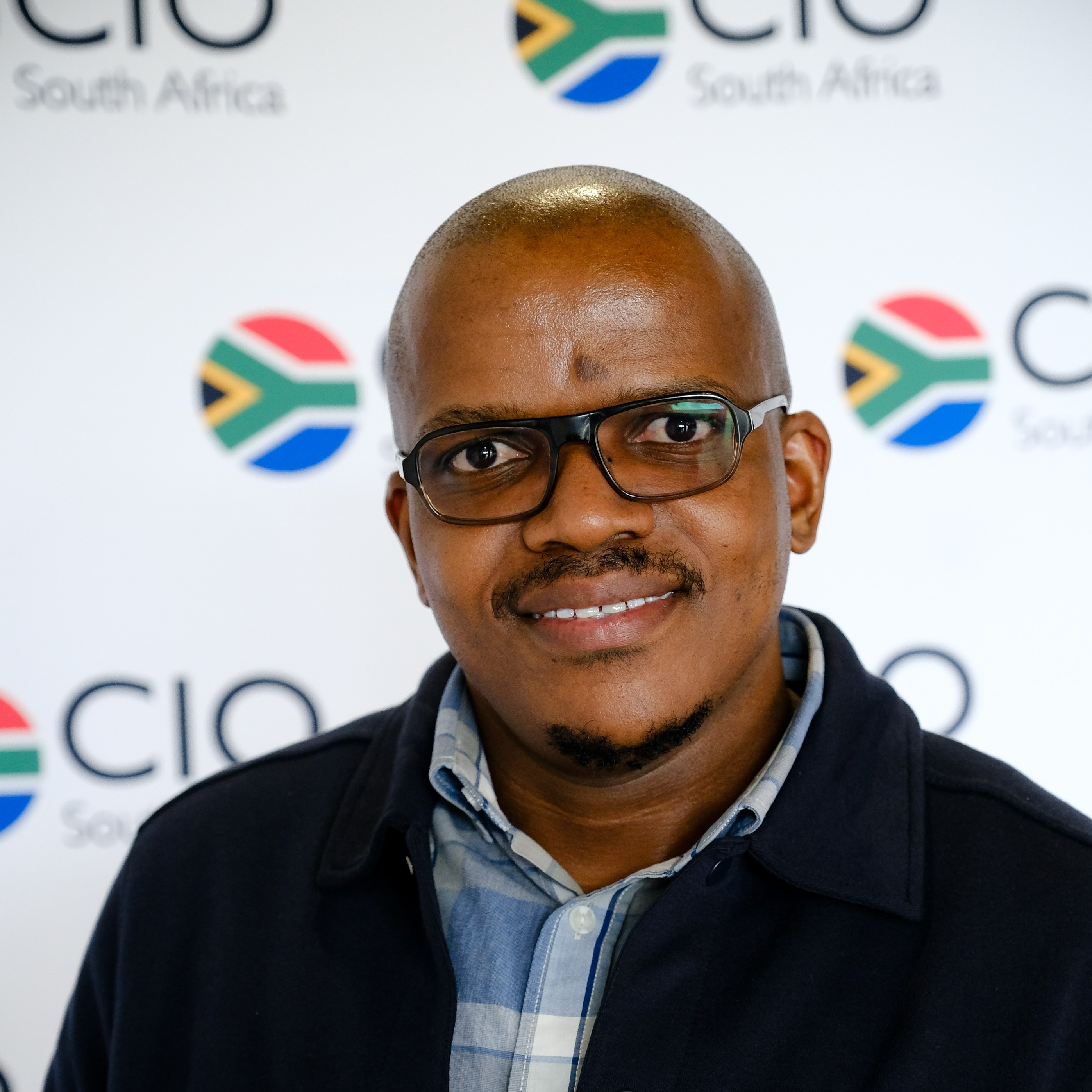
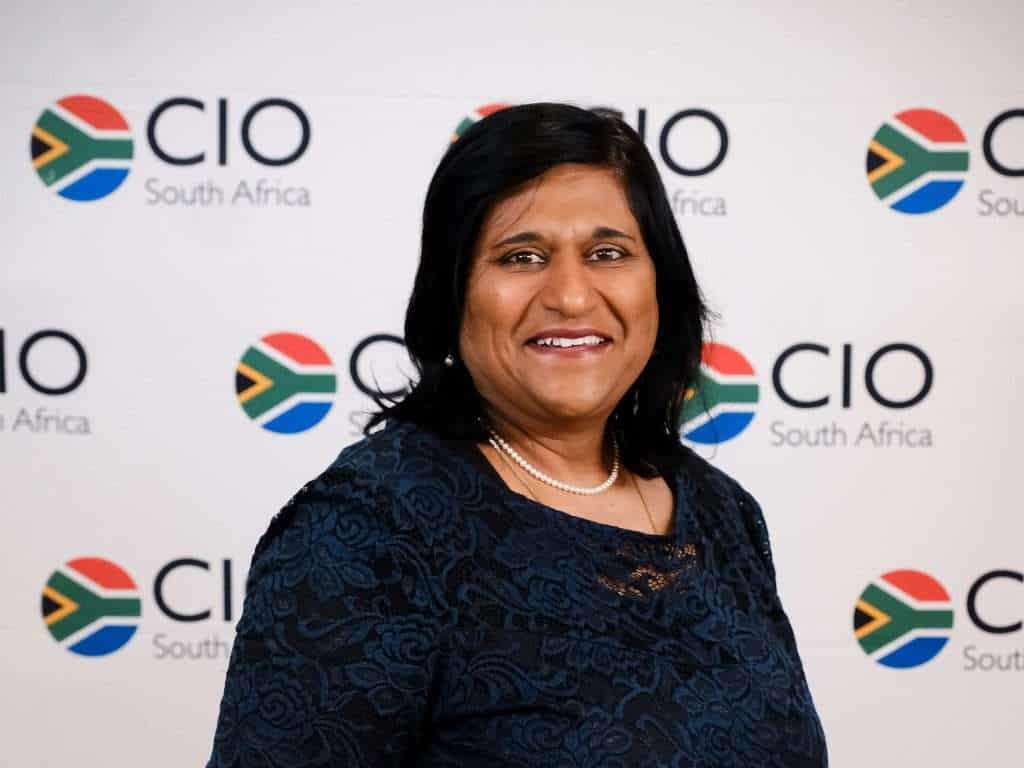
Aveena Mothilall, winner of the 2024 CIO Smart Award, has dedicated much of her career to driving youth development initiatives. Now, she’s urging higher education institutions to ensure that graduates leave university armed with the practical, future-ready IT skills the industry demands.
Since taking on the CIO role at the multinational energy group in 2022, Aveena has driven strategic shifts in Engen’s graduate programme and highlighted the need for higher education institutions to equip graduates with in-demand industry skills – that’s the legacy Aveena’s left at Engen before recently venturing into private consulting.
After years in the industry and years after completing her studies and mentoring many in the field, Aveena saw little change in the IT industry’s school and industry disconnect.
“Nothing’s changed since I studied – nothing in terms of what they study. Why hasn't it modernised? Why haven't they incorporated more readiness for the work environment of the practical side of things?” she questions.
“So I started making contacts with the various universities to understand their curriculum, how they’re looking to modernise it, and looking at future skills. I even did a talk to some of the university alliances; from the perspective of a CIO, what I believe they should be looking at, but hit a lot of brick walls because a lot of them have a set curriculum.
“In some of South Africa’s major universities when curating curriculums they are not intentional about what future jobs are looking for,” she adds.
However, her efforts have yielded some results. It is all about partnerships. Following her ongoing relationship with faculties at the University of Cape Town and SAP University Alliance, some lectures have integrated aspects of real-world skills into the learning environment. This needs the continued support from corporates and academia working together.
For example, at UCT, the degree includes students now getting free SAP training, building solution apps and solving problems from a business process improvement perspective. Not merely providing students with technical skills and know-how; but opportunities for work place integration.
Building career bridges
Engen had large-scale graduate development programmes, but when she joined, Aveena brought her own spice to the mix, building bridges between the constantly evolving tech job market and educational systems.
“The scale at which we do it at Engen is quite phenomenal. My personal contribution was that I started talking to the youngsters and because of that rapport I have, irrespective of age, they felt safe with me. I’m Gogo at the office. I could feel that from when they interacted with me.”
To close what she calls an “IT skills gap”, Aveena started coaching a cohort of six graduates to close the big divide between theory and the working environment.
“I also said, looking at my background of studying accounting first, why do we only look for BSc computer science graduates or BCom information systems or a postgraduate in IT? Everything was old-school bias – that you had to have done BSc computer science to be in IT,” she says.
Before these efforts, Aveena describes how the organisation gradually started considering information system graduates for more IT roles. However, “All the other degrees would not be given a chance,” she says.
When Aveena approached the board, it was a bold move made during a risky time. She highlighted that Engen needed to strengthen its talent pipeline by investing in IT skills, as the company was facing challenges due to resignations, retirements, and a shortage of skilled professionals.
This, she said, led her on a journey to find different ways to run the graduate programme. Two major changes were implemented, in a move that turned things around for both the organisation and graduates. More graduates were recruited and their training was more focused. Also partnership with the industry players to host graduates to provide work place integration grew the pool, with a sharing of the cost.
“I also opened it up because I was looking for the attitude. I was looking for a way of thinking, a way of learning rather than a piece of paper.”
A wider net was cast, resulting in the recruitment of graduates from engineering and social sciences, among others. “I then ran a purposeful programme, brought in the technical mentors, but I did the workplace integration, teaching them about budget, teaching them about doing the Myers-Briggs personality test and curated something, even though I was not in HR,” Aveena points out.