

Not only did attendees at the CIO Women’s Circle Dinner glean valuable insights from renowned executive coach, Lori Milner, they also generously shared their advice and experiences with one another.
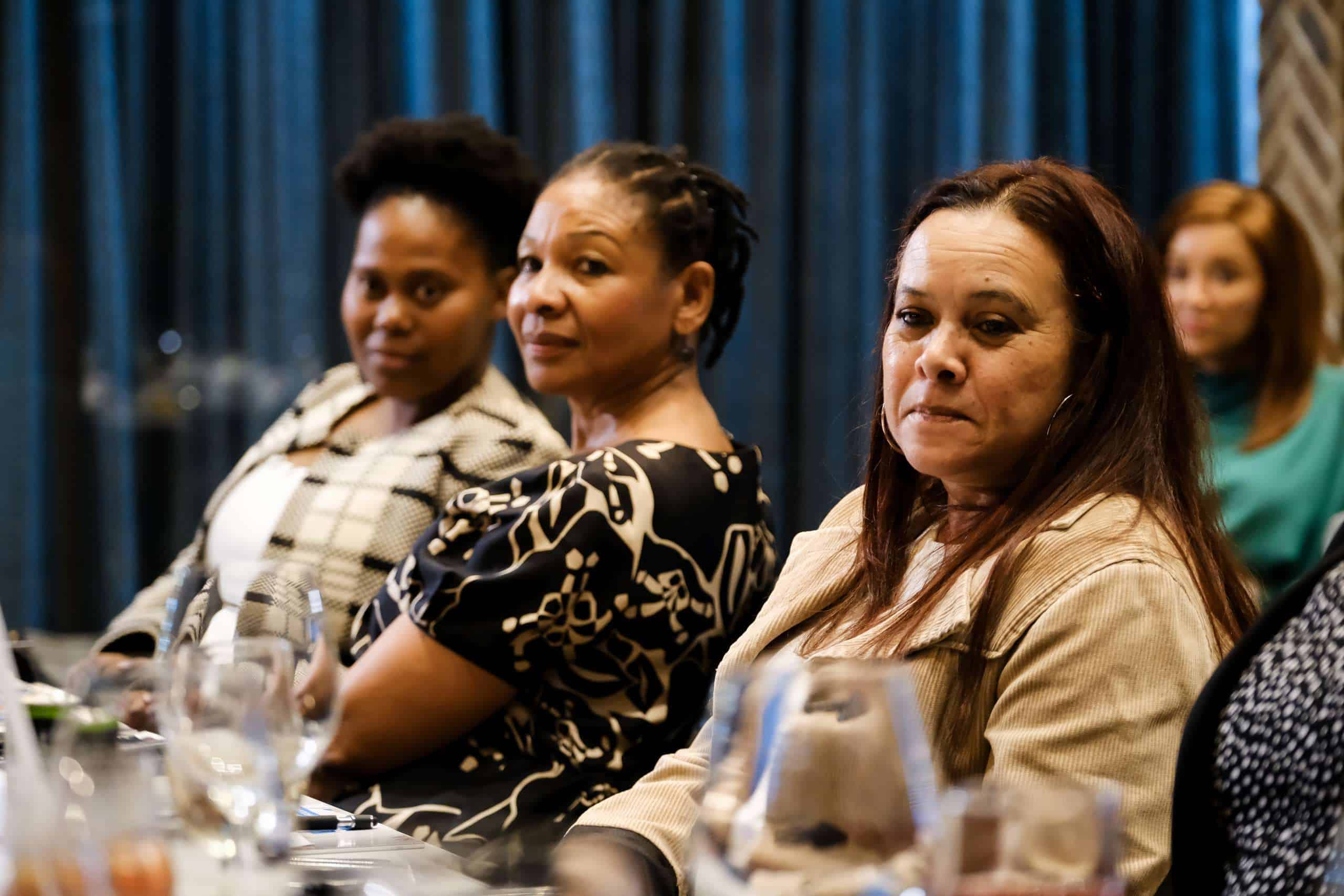
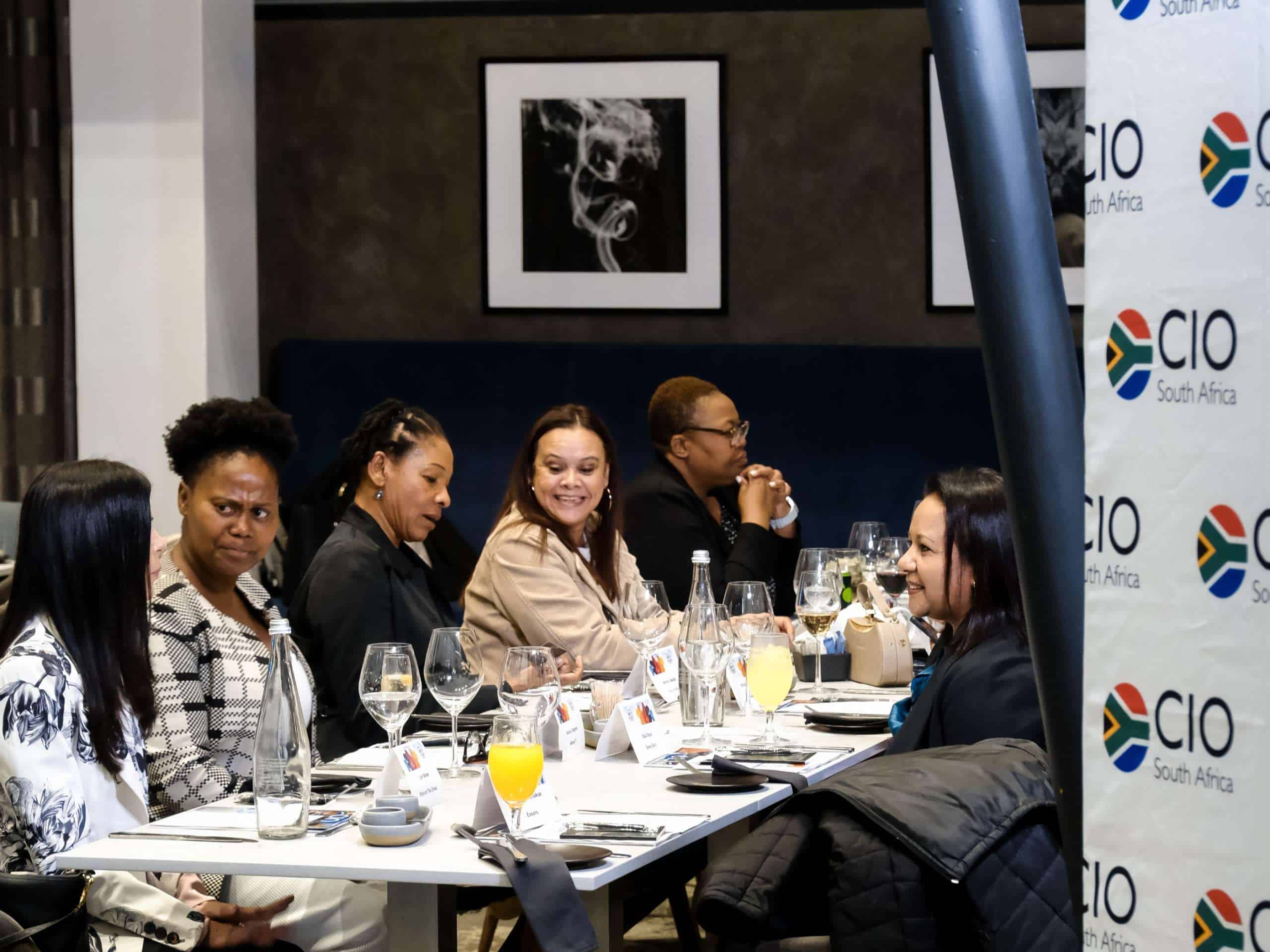
Held on 3 April at the Seven Villa Hotel & Spa Sandton, the CIO Women’s Circle Dinner treated attendees to a three-course feast, as well as a chance to connect with women in similar positions. The ladies broke the ice by answering a series of questions revealing secrets such as zoom blunders – a quickly corrected wardrobe miscalculation in a governance meeting – and why psychology would be an alternative career choice.
While they shared laughs and culinary delights, the CIOs asked serious questions from how to handle difficult colleagues and workplace triggers, to how to set work-life boundaries. Exploring the realities of leadership and workplace challenges through a female lens, attendees were inspired by Lori who provided different perspectives.
While women are often the minority in tech departments, said one attendee, in her experience they tend to sabotage rather than uplift one another. Explaining the roots of what drives such behaviours, Lori pointed out the six human needs, placed in a framework by American author, coach and motivational speaker, Tony Robbins. “Understanding these core needs helps you understand not only why you do what you do, but why other people do what they do,” Lori explained.

These are certainty, uncertainty or variety, significance, love and connection, growth and contribution, all needs that are met in different ways for different people. We can meet each of these needs in positive, negative or neutral ways, Lori continued. For example, a positive way to address one’s need for certainty is through routine – by starting each day with a morning walk. In a negative way, some people meet their need for certainty by lowering their standards or expectations and not even trying so they won’t be disappointed.
Yet if everything were certain, life would be boring which is why we also need variety – whether it be through travel, networking events or simply being in a stimulating work environment. Seeking significance is about answering the question of whether I matter or add value. Some meet this need by working harder than everyone else or by being a mentor. On the flip side, some people lead by fear to make themselves feel more significant. In terms of love and connection, we increasingly seek connection through social media which ironically can be a lonely endeavour.

Understand motivations
The first four needs are about personality, whereas the last two needs are centred around fulfilment, Lori added. Growth addresses our need to improve and do new things, whereas contribution is the knowledge you’ve achieved something bigger than yourself.
“Even though we’ve all got the same six needs, what makes them different is three different things,” Lori said. These are: the two needs we value most, the vehicle we use to meet those needs, and the rules we instill around this.
So, if someone is sabotaging you in the workplace they are likely driven by the needs for significance and certainty – they pull you down to feel good about themselves. To best deal with them, you therefore fulfil these needs for them – meet them where they’re at. Ask them for advice so they feel seen, and they no longer perceive you as a threat, ending the sabotage.
Keep in mind that when we judge people – especially colleagues who may be upsetting us – we cannot influence them. Replace criticism with curiosity, Lori advised, and work to understand their motivations.
However, if the problem persists, speak to their superior and if you happen to manage them, again, have a frank but fair conversation. “Replace expectations with agreements,” Lori says. Explain which of their behaviours is problematic and why, ask what they need from you to make a change and agree how you’ll both work to address this.
Installing boundaries
In terms of being in a male-dominated boardroom, one attendee explained how she feels ignored when she asks to leave early to deal with unexpected child-related issues, for example, and the meeting simply continues. Suggestions from Lori and the other attendees included explaining upfront that you may need to leave at a certain time to fetch your children or in case of an emergency.
If bosses and colleagues are still not giving you the feedback you desire when you do ask to go, explain to them that you need affirmation and acknowledgement should you need to leave early. Mutual respect and instilling boundaries in the boardroom – and beyond – should be standard, but this is not always the case, attendees agreed.
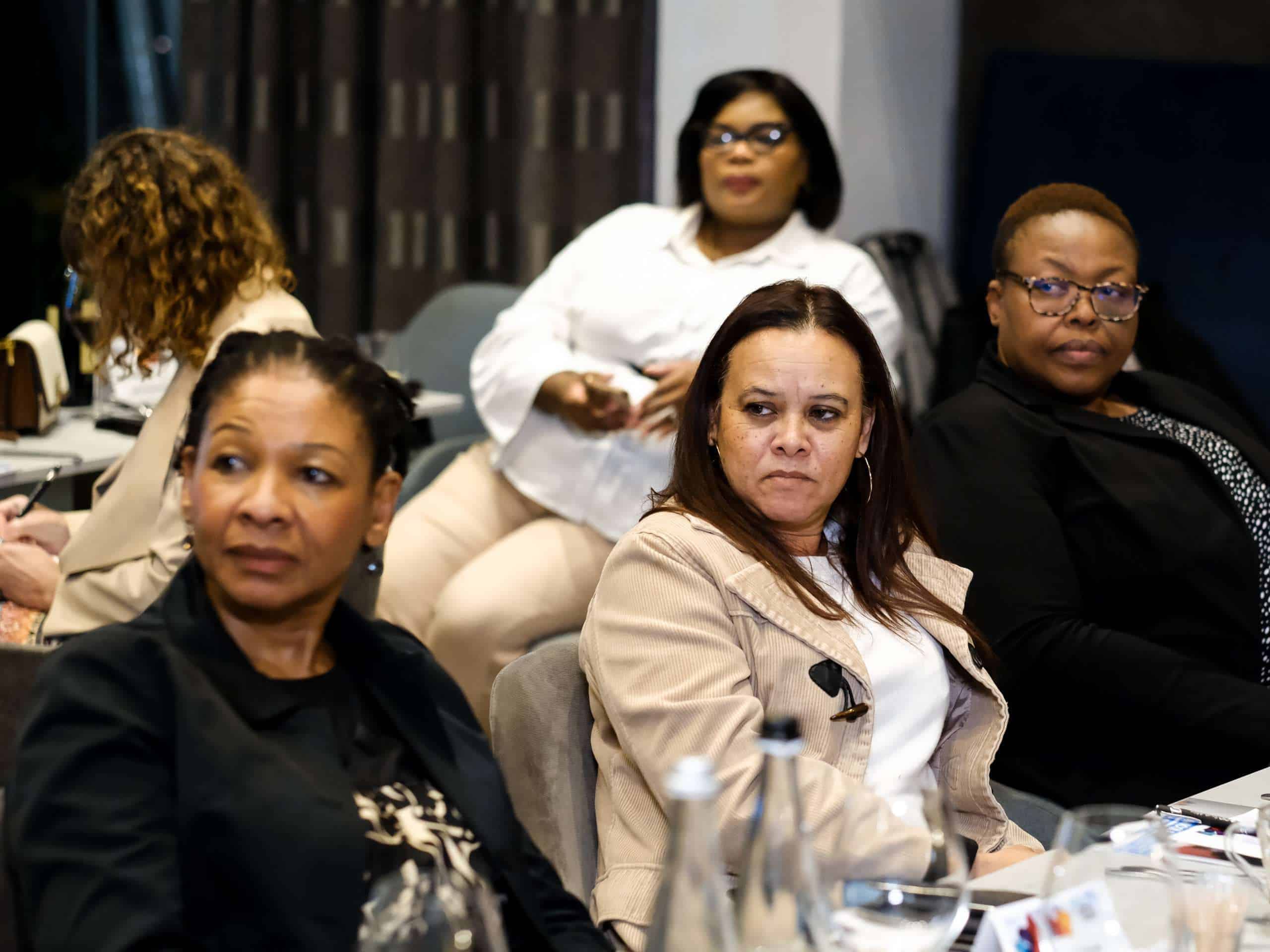
Conversation then turned to talk of triggers. Whether yours is feeling belittled by male colleagues or feeling invisible which is compounded when a colleague takes credit for your ideas, it’s best to take a gap between your reaction and your response, Lori said. Whether our chest tightens, or our cheeks heat up, we often feel our triggers in our bodies.
Recognise this as a warning sign, take a deep breath and practice mindfulness before you speak, she advised. Focus on what you can control and decide whether you want to respond and how. “Ask whether you want to be right or whether you want peace,” Lori suggested. It’s not about backing down; it’s about making the best decision for yourself. If the behaviour persists though, don’t let your resentment build up until you explode – rather have a clear and calm conversation.
Reframe your triggers by interrogating what they are here to teach you rather than asking why bad things always happen to you. It’s generally the meaning you assign to another’s actions that triggers you, so be honest about the lens through which you’re viewing their behaviour. You have a right to feel your feelings but you also have the power to determine how long you sit in emotions that only bring you down. Ultimately, it’s about having compassion for yourself.

Those in attendance were:
- Boitumelo Makgabo CTO, Hippocampus Education
- Farieda Mayet CIO, Netstar
- Gillian Klawansky senior writer, CIO South Afric
- Gita Daya CIO, Bank Zero
- Jacqui Maphala content producer, CIO South Africa
- Kaygee Letsebe community manager, CHRO South Africa
- Lori Milner , guest speaker
- Maletsema Phofu CIO, University of Johannesburg
- Martina Madali group CIO, Arena Holdings
- Nomahlubi Sonjica community manager, CIO South Africa
- Ntando Dhlamini head of network engineering, Makwa IT
- Sharon Maasdorp COO, Makwa IT
- Vinoliah Martin CTO: South Africa Technology and Innovation Centre (SATIC), PwC
- Zakiyya Cassimjee head of cyber, risk and governance, Mpact