Ten matriculants from Gauteng’s townships got a taste of the working world and experience building digital prototypes alongside Rand Mutual Assurance top technologists. At the end of the 48-hour project each pupil left with a laptop and a clearer view of their futures.
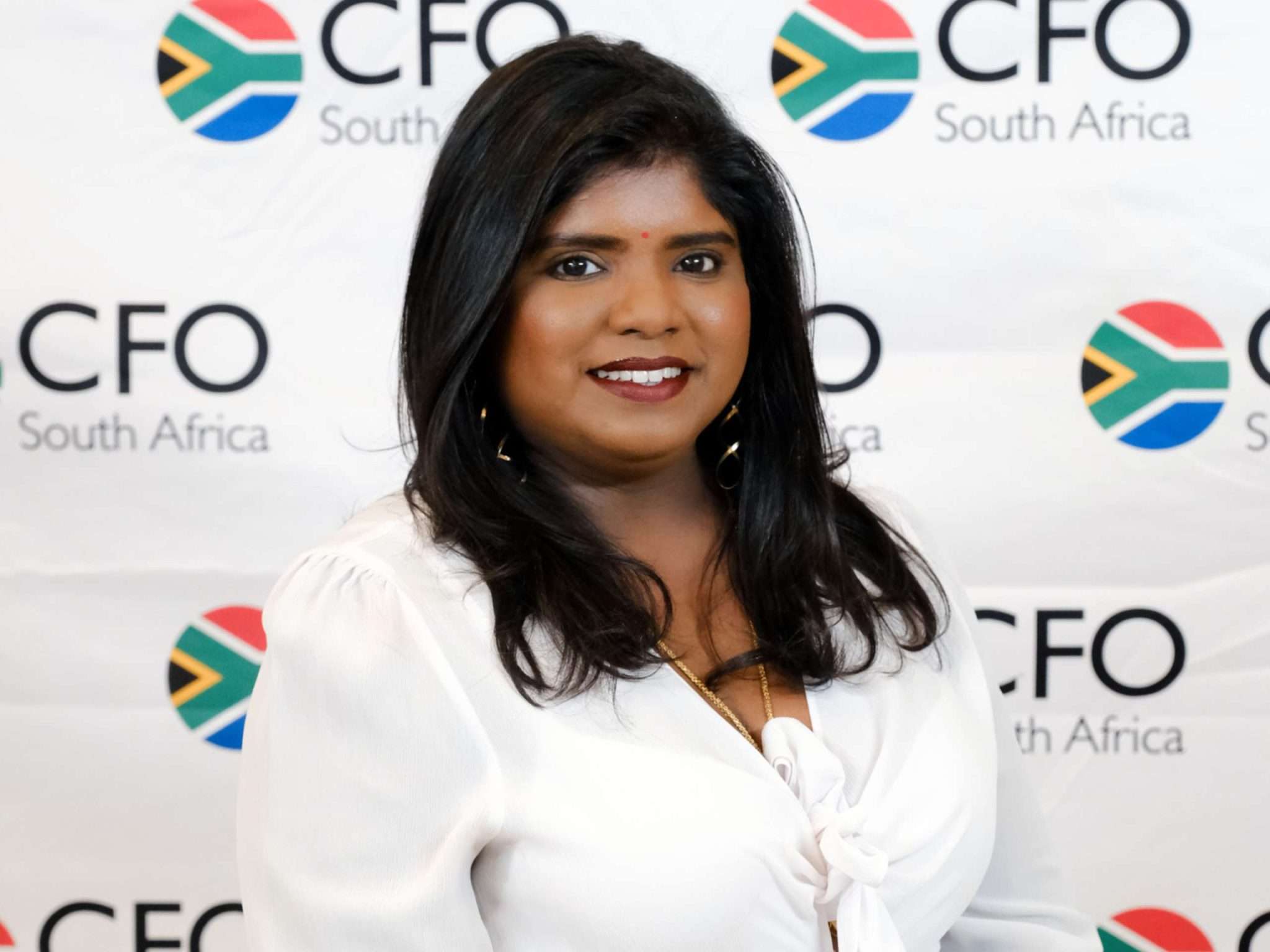
Keneilwe Gwabeni did not know what a computer looked like until her first year at university. Now, as group CIO of Rand Mutual Assurance (RMA), Keneilwe put laptops in the hands of ten Grade 12 pupils and sat them beside her technology team as part of a skill sharing hackathon.
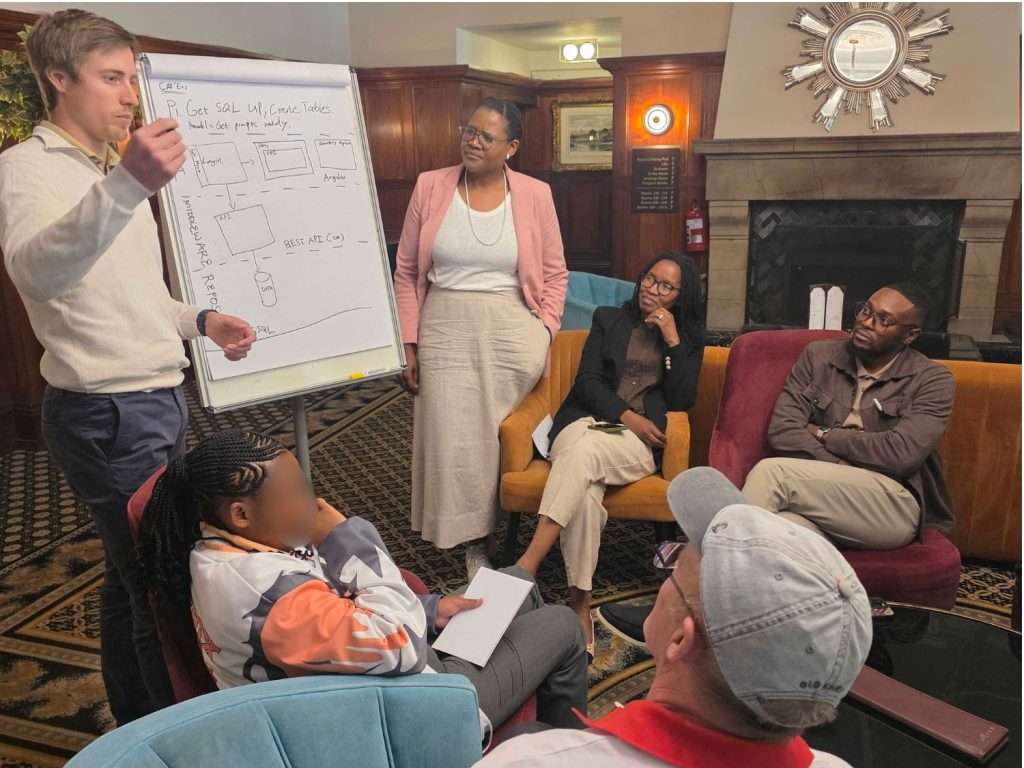
The RMA Heroes Hackathon ran over 48 hours with ten top-performing pupils from townships and rural farm-area schools across Gauteng. The pupils were paired with RMA professionals in ten innovation teams. Their task was to build web and mobile prototypes on low-code platforms that tackle real social and business problems.
For Keneilwe, it was an opportunity to provide mentorship and exposure. “I come from a rural village with no access to computers or technology. I did not know what a computer looked like until my first year at university,” she says. “Walking into that computer lab behind everyone else created internal insecurities that delayed my confidence.”
She wants the pupils to conquer that hesitation. Working with the Gauteng Department of Education, she asked for high-achieving pupils from under-resourced schools who have limited access to computers or technology. Ten Grade 12 pupils were identified and were given an opportunity to cultivate real world learnings on the eve of their final exams. “If we expose young people to technology earlier, we build their confidence and open up opportunities much faster,” she says.
The challenges presented to the youngsters were rooted in RMA’s work as a social insurer, whose motto is “safeguarding everyday heroes”. Many of its clients are severely injured workers living in deep rural South Africa, Lesotho and Mozambique who struggle to support themselves. But, before they can receive their benefits, clients must provide proof of life. For a severely injured disabled pensioner, this can mean finding the money for transport and traveling along gravel roads to a branch for verification.
Keneliwe presented this problem to the pupils and put the teams to work. The youth were asked for input on how to build mobile tools that let these workers track claims and confirm proof of life from home.
“Corporate professionals are often trained to manage and avoid risk, whereas young Grade 12 minds are untainted by corporate conditioning,” Keneilwe explained. “They ask fundamental questions like, ‘Why scan and email a document when you can send it instantly on a mobile device?’”
Matome David Muabanama, second team manager in the Gauteng West District, said the hackathon had opened a brand new world to the pupils. “In the classroom, they only know the theoretical code and concepts. Here, they are faced with real-world problems and must develop practical problem-solving skills,” Matome said. All ten matriculants have already applied to university for 2027, most for computer science and engineering. “Innovation cannot work unless you possess structured problem-solving skills.”
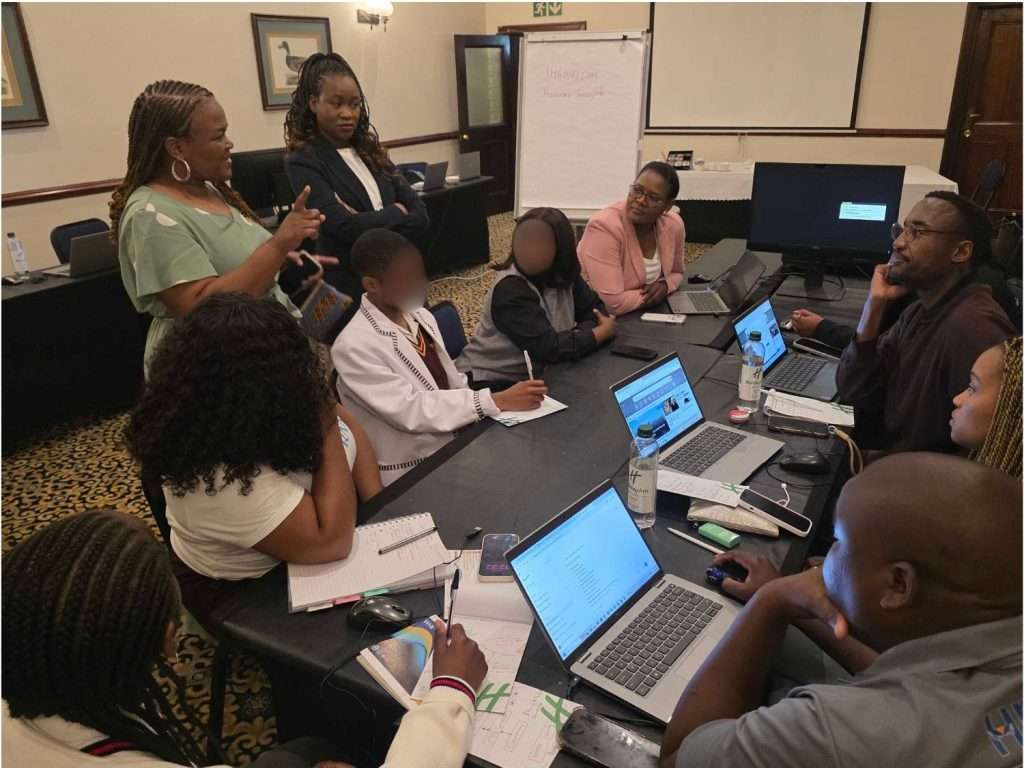
The pupils said the event had already shifted their thinking. One 17-year-old, who had applied for chemical engineering, actuarial science and computer science, reported that the exposure gave him a broad insight into computer science. Another, torn between several degrees, says the RMA team's enthusiasm had rubbed off on her. “I saw how much they enjoy what they do in IT and the different ways they innovate. I am leaning strongly toward the IT side now,” she said.
For another pupil, the biggest change was coming out of her shell. “I have always stayed in my comfort zone. Today allowed me to step out and be confident,” she said. “I used to find it difficult to ask questions or hold conversations, but today I was able to talk to the team easily.”
Every pupil left with a laptop and Microsoft licenses to keep learning. The strongest ideas will return to RMA to be piloted and implemented, in line with its “triple win” principle: the worker wins first, then partners, then RMA.
Keneilwe closed off with one message for the matric class of 2026. “Your background does not define your future.”