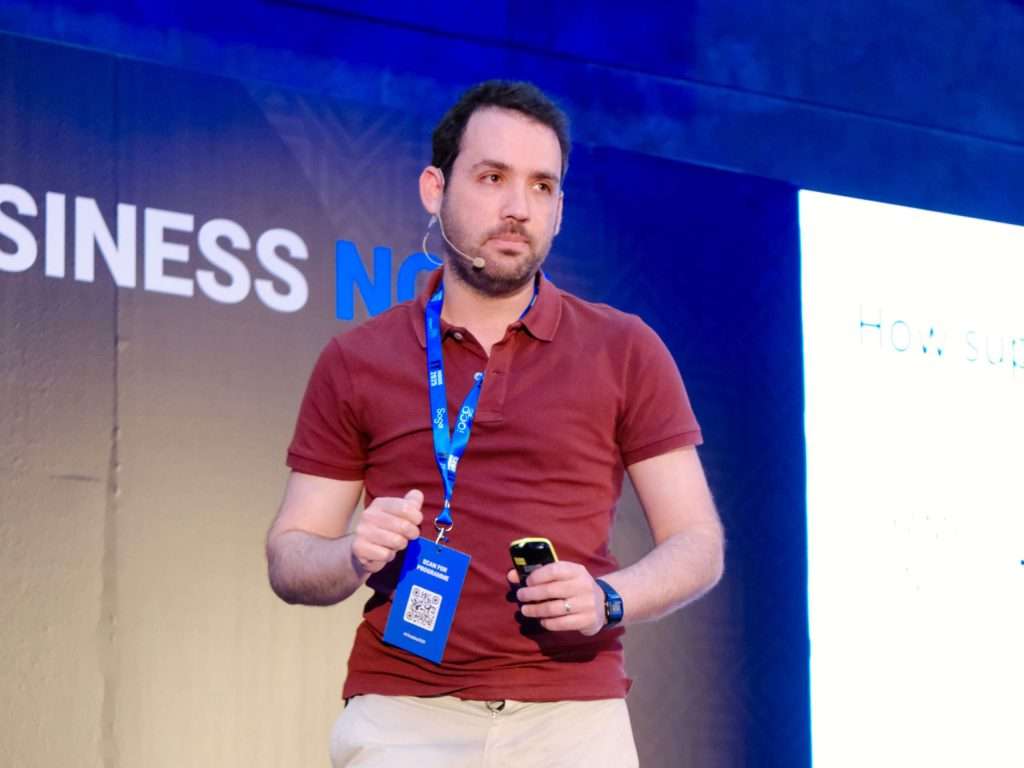
Dr Steven James, computer scientist and AI researcher at Wits University, recently delivered a masterclass on AI and machine learning tools at the 2025 IT Indaba, focusing on the skills CIOs should prioritise to build AI-ready teams.
In his session, titled Building an AI-ready workforce: What should IT teams learn, Dr Steven encouraged IT professionals to develop true AI literacy that is not driven by commercial interests.
He clarified that there is currently no real artificial general intelligence (AGI) where machines match human intelligence. Instead, what exists are tools and subfields such as natural language processing, robotics and computer vision that fall under the AI umbrella.
“Machine learning is not magic. It is data and mathematics working together to create outputs,” he explained. He warned against treating AI and machine learning tools as mystical technologies.
“If we start thinking AI systems are magical, then we assume they can do everything. AI can do one thing really well and be terrible at another. We should also not assume AI progress will grow exponentially forever, as real integration takes far longer than most commercial demos suggest,” he added.
How IT teams should be using AI
Dr Steven advised IT leaders to begin their AI journey with accessible tools while keeping a human in the loop.
“The best thing to do is to start using ChatGPT or Claude as your personal intern for simple tasks like summarising, brainstorming and drafting, but the ultimate responsibility should lie with you as a human. AI should support, not replace,” he said.
He also stressed the importance of developing a clear AI strategy, warning that many organisations fail when they implement AI for the sake of it. Teams should start with the problem, not the technology.
IT leaders should establish clear guidelines and governance structures to define acceptable AI use. “If your team is using AI to parse through client or financial data, you need to understand the data privacy, compliance and vendor risks involved,” he said.
Dr Steven recommended starting small with low-risk pilot projects where teams can fail fast and iterate.
“AI is currently good for tasks, not jobs, and it is not ready to replace human beings. In the future, models will become cheaper and more accessible, and we will see growth in AI agents that can use tools and browse the web. We can expect steady, not magical, progress, particularly in maths, coding and structured tasks,” he concluded.