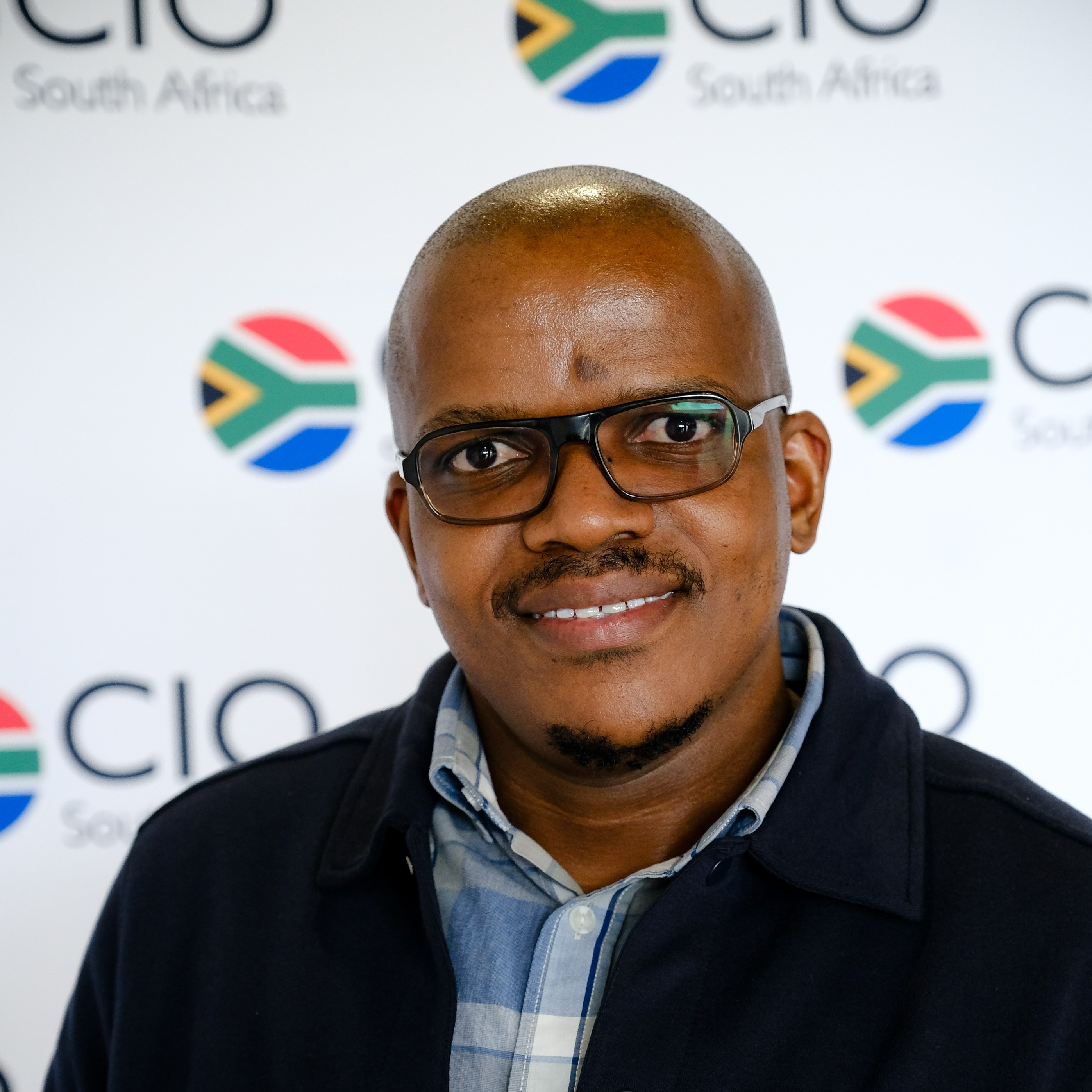

The initiative focuses on addressing key skill shortages in areas such as cybersecurity, networking, and software development, explains Jezeiyn Naidoo, head of operations and partnerships at Digital Skills Africa.
As a non-profit digital skills provider, Digital Skills Africa is not only forming vital partnerships across Africa but also collaborating with global technology companies. These alliances are instrumental in delivering world-class training to local communities, ensuring they are equipped for the digital economy.
“We bring globally recognised technology certifications through partnerships and provide them to the communities we serve at no cost. So a student studying cybersecurity in a rural area within South Africa can have the same access as a student studying in the USA or any other first world country,” Jezeiyn Naidoo, head of operations and partnerships at Digital Skills Africa, explains.
At the same time, the youth empowerment initiative is reskilling and upskilling people for the evolving job market and emerging technology roles. As such, having a relationship with OEMs like Microsoft, Cisco and AWS to understand the direction and trajectory of mainstream technology becomes very important.
“But in hand with that, a valuable relationship we have is with various systems integrators within South Africa that plays a role in helping us understand the need for which skill set is required the most. We always pay attention to various survey results from CIOs to understand the trends and requirements industries have,” he adds.
Preparing the youth for the world of work
Through his work, Jezeiyn has identified two distinct profiles within marginalised communities. The first is the graduate who has access to tertiary education but struggles to find opportunities. The second is the unemployed youth who aspires to study but lacks the financial means to do so.
In addressing this, Digital Skills Africa (DSA) focuses on five critical pillars:
1. Access to infrastructure – one of the contributing factors to the skills shortage is having no access to infrastructure. As such, DSA invests within marginalised communities to build technology labs that have the PCs, internet and collaboration technology.
2. Industry certifications and skills development – DSA partners with OEMs like Cisco and Microsoft to deliver relevant up-to-date content and access to industry certifications at no cost. Their model is around taking an unemployed youth with no prior experience or qualifications and developing their skills from basics to advanced level skills (i.e., Cisco Certified Network Associate).
3. Skills to jobs – DSA has and is always on the lookout for employment partners within the ecosystem that helps them connect skills to jobs.
4. Professional image – DSA helps and assists students with CV writing and LinkedIn profiles
5. Mentorship – with the network of its peers and access to the market, DSA enjoys bringing in industry leaders as well as subject matter experts to provide exposure to opportunities and career advice to help its communities raise awareness around where the country is heading with innovation.

Helping CIOs close digital skill gaps
According to Jezeiyn, Digital Skills Africa can significantly support CIOs in building their workforces. This includes tapping into talent from remote areas and identifying specialised skills in fields like cybersecurity, which can benefit CIOs not only in South Africa but across the continent.
“A team member from Cape Town once had a plumber come to his home and a young gentleman assisting the plumber got into conversation with our team member. After that, our team member gave him an old laptop and had him enrolled in cybersecurity. The student literally studied cybersecurity from a shack with nothing less than 90 percent on every module. He then went on completing other certifications and started helping his community. This displayed a true sense of community and how people are willing to share the skills they learn,” he recalls.
From a data perspective, Jezeiyn believes the initiative can play a vital role in providing valuable insights, such as statistics on their findings within the communities they serve. This data can also be compared to learning cultures in other countries, such as Ghana, where the organisation also operates.
Discovering talent in unexpected places
“In Ghana, we support academies in villages working to bridge the skills gap. What stood out most there, was the willingness and curiosity to keep learning, especially in the technology space where people are committed to learning,” he observes.
“The people there have never seen or touched a computer before. However, their determination gets them through. These are students who start their journey from ground up looking at the basics of computing, but end up doing something like cybersecurity. One of our team members from Ghana is self-taught on cybersecurity: what makes him special is that he now writes his own applications for the security space and helps small businesses remain secure. He also is a global top voice on LinkedIn on this specific issue and all of it came from the curiosity of technology,” he notes.
From his experience, Jezeiyn has learned that there’s one thing little communities do when empowered with these opportunities – they ensure they keep teaching each other, picking each other’s brains on real world challenges, which emphasises the importance of a community over individualism.
Being on the ground, Jezeiyn says, goes a long way in understanding how to communicate the current landscape to individuals in various communities. A few action points come to mind, such as mentorship and exposure to technology and access to learnerships, specifically to those who are capable of working, but have IT certifications rather than tertiary qualifications.