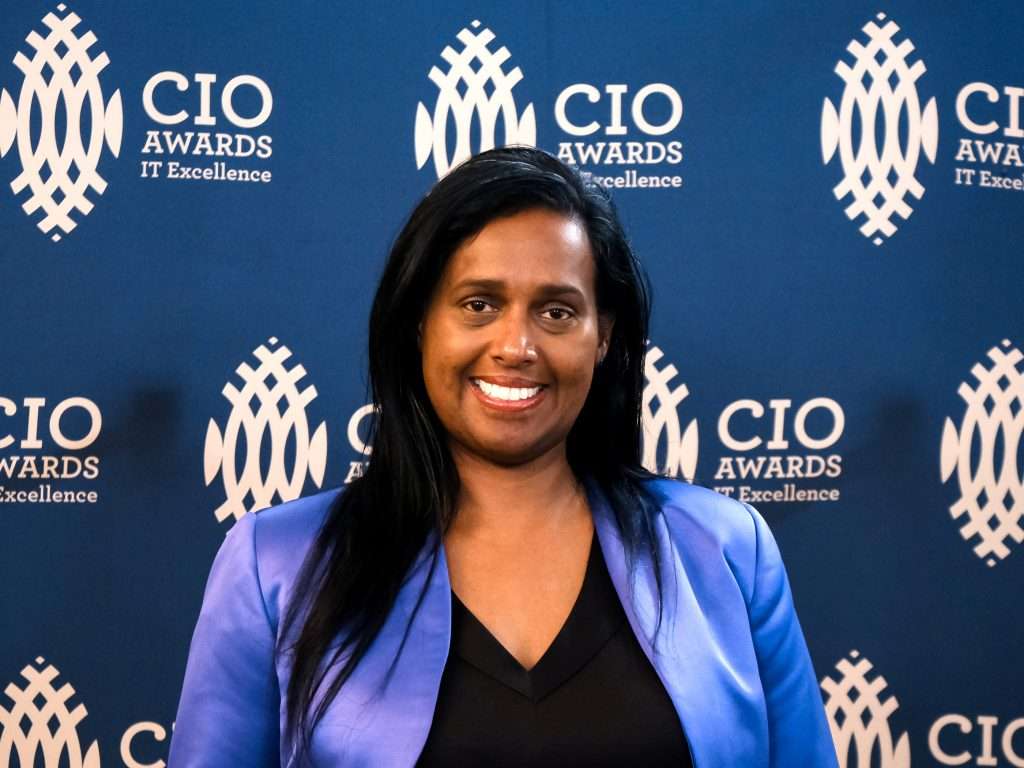
Following Deloitte’s recently published 2024 Chief Data Officer Survey, CIO South Africa caught up with Omeshnee Naidoo, CIO programme leader and director: digital engineering at Deloitte Africa, to gain her insights into the evolving responsibilities of the chief data officer (CDO).
According to Deloitte’s 2024 Chief Data Officer Survey, the chief data officer (CDO) is a strategic leader responsible for driving value from data for organisational success. Key findings from the report highlight the broad scope of the CDO role, with priorities for the next 12 months encompassing a mix of emerging and foundational objectives. These include leveraging artificial intelligence and generative AI (GenAI), while focusing on essential areas such as building compelling business cases for data investment.
Sharing her perspective, Omeshnee Naidoo, CIO programme leader and director. digital engineering at Deloitte Africa, delves into what it takes to excel as a CDO on the continent.
Q. What does a successful CDO look like?
A. A successful CDO will be one that can clearly articulate how data can translate into answering for business challenges or business future strategies. In order to achieve this, the CDO would need a clear vision and set of goals, lead through championing data-driven initiatives that are impactful and well executed, build out strong data teams and play a fundamental role in ensuring a data culture across all levels of the organisation.
Q. What are the key priorities of a CDO?
A. Interestingly, our recent study and conversations with our clients, the AI and GenAI topic comes through the strongest. CDOs are being seen as the expected C-suite champions that need to drive out the usage of these technology tools into the organisation and to ensure that the strategies, policies and projects are implemented at a rapid pace. This expected accelerated pace in this space is putting pressure on CDOs to ensure focus in this area and drive out impact-driven outcomes.
Related to this, though, many organisations find that their data maturity and skills are not where it needs to be and so, while keen to embrace new technologies, the reality is that CDOs struggle to achieve true success without also tackling and getting the basics of data governance and data management right. These, while lower on the priority list, are the types of issues that do also need attention. The balancing act between the basics and bringing in the latest technology trends is quite a balancing act for the CDO.
Q. What opportunities do CDOs have to drive impact?
A. CDOs have one of the most powerful assets – data. If used effectively, data can change the trajectory of an organisation – from improving process efficiencies, to cost reductions, to new revenue streams, to completely redefining an industry. Data creates endless possibilities if brought together and orchestrated in a fashion that can turn the data into meaningful insights. Therefore the CDO’s impact can be felt at all levels of the organisation. The CDO’s stakeholder relationships can play a significant role in impacting positive change into the organisation right from the top.
Q. How can the CDO effectively support the CIO in driving organisational goals?
A. The CDO and CIO’s stakeholder engagements are critical to ensure continuous alignment on roles and responsibilities for each other’s areas. The digital enablement for a CDO is a critical enabler for success. Also, the CIO’s alignment on where strategy and execution meet on this, along with clarity on where digital execution and governance happen, is important to ensure alignment and ability to help both executives succeed in devising a successful strategy that truly supports the organisation.
Q. How does the role of the CDO in Africa differ from that of their international counterparts, and what unique challenges do they face on the continent?
A. The role doesn’t differ much. It really is dependent on the data maturity of the organisation that may result in the CDO’s role maturity scaling from being more of an operator than a strategist. However, this would be the same globally as it is for Africa.
Local CDOs do tend to have more exacerbated challenges in certain spaces, with access to less data due to internet connectivity penetrations being lower in Africa, as well as lower digital literacy rates and with a lot of local languages not being as prevalent across online applications. This does create data scarcity at times that makes it harder for CDOs to explore and grow in the data space as fast as international counterparts. That’s why the basics cannot be forgotten about – the digital divide needs to be closed faster in Africa.
Q. How has the increased focus of artificial intelligence and GenAI (positively or negatively) impacted CDOs?
A. This has most definitely positively impacted the role of the CDO – as this has created heightened focus into boards and executive spaces on the importance of data to enable AI and GenAI, which are being seen as catalysts to not just survive. but to ensure that organisations that embrace this thrive into the future. The CDO is being seen as a key leader with the right set of knowledge, skills and capabilities to drive such a change into the organisation – definitely an important and challenging role to play.