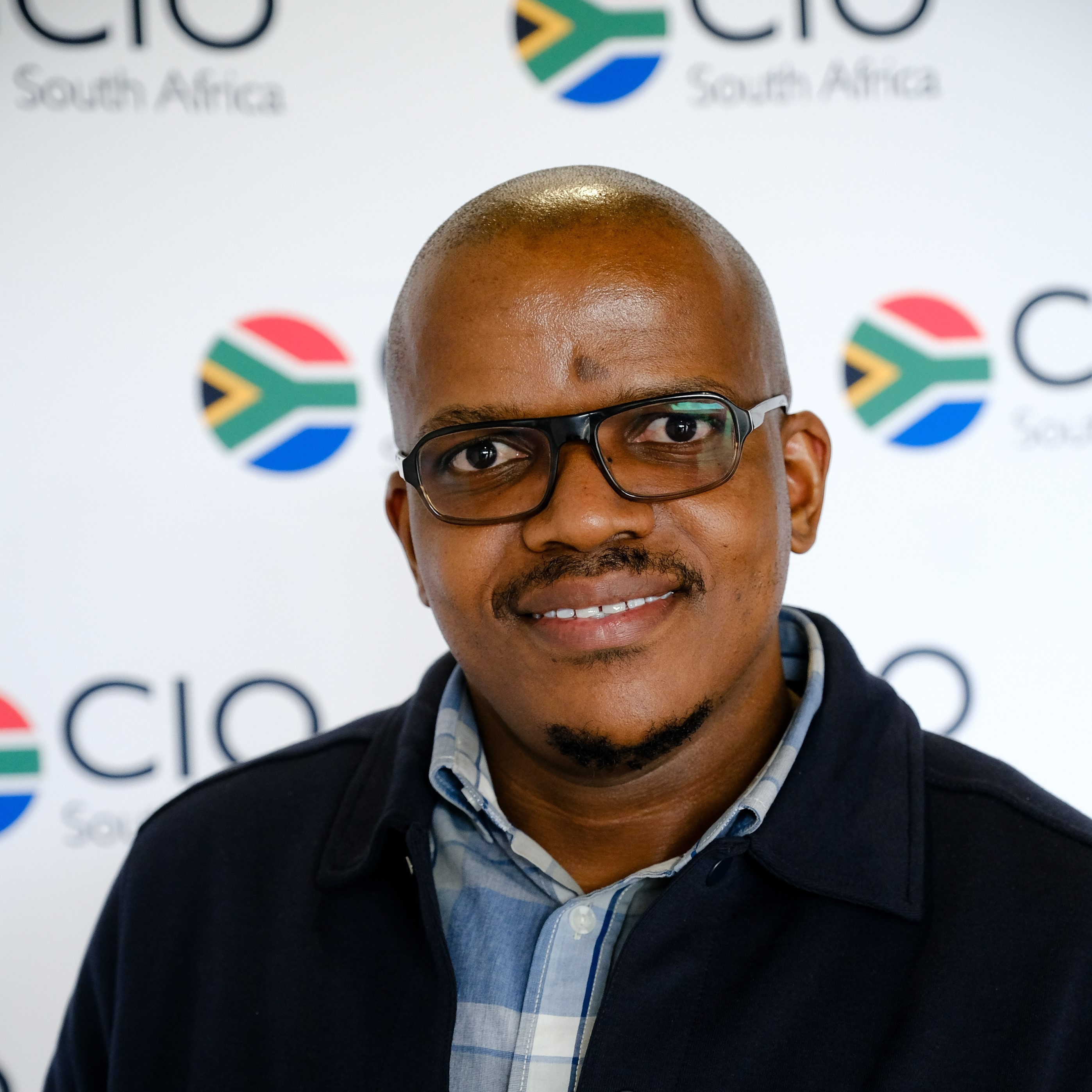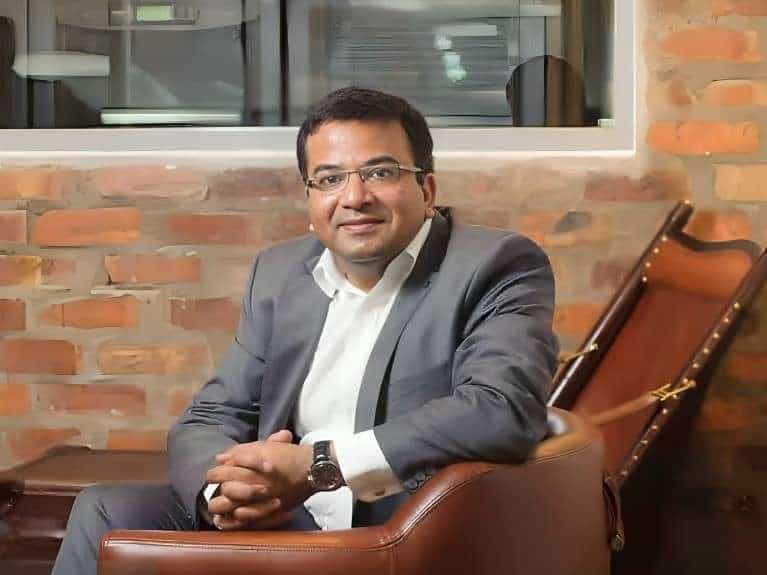
Hiking trails, music, and mindfulness – the key ingredients to how Alok Goswami balances the high demands of leading IT at Mpilo Technologies.
CIO South Africa caught up with Alok Goswami, the recently appointed CIO at Mpilo Technologies. He opened up about his approach to leadership, where collaboration and adaptability are at the core. Alok also shared insights into how he empowers his teams through open communication and maintains a healthy work-life balance.
Q: Why a career in IT and how has your journey as a CIO evolved over the years?
A: My inspiration to pursue a career in IT stems from a firm belief that IT can and will always play a pivotal role in achieving business outcomes. An IT career can help drive the passion for innovation and the transformative potential. Over the years, my journey has evolved in taking up more strategic roles, moving from technical problem-solving to aligning technology with business goals, fostering digital transformation, and ensuring resilience in an ever-changing landscape.
Q: It's been a couple of months since you joined Mpilo Technologies. How has that period been and are there any interesting projects you're working on?
A: It’s been an exciting few months since joining Mpilo Technologies. The transition has been incredibly dynamic, with a focus on integrating into the team and understanding the company's unique approach to software and digital solutions. One of the most interesting projects I'm involved in right now is optimising our delivery across the value chain based on best practices, including strengthening partnerships.
Q: How do you maintain a healthy work-life balance?
A: Balancing the demands of a leadership role with maintaining a healthy work-life balance can be challenging, but it's essential for long-term success and wellbeing. Setting clear priorities, delegating effectively and managing time efficiently are key. Staying organised, leveraging technology to streamline tasks and focusing on what truly drives impact allows me to stay productive without burning out.
Q: How would you describe your leadership style?
A: My leadership style is collaborative and adaptive. I believe in empowering teams by fostering open communication and encouraging ownership of tasks. By creating an environment of trust and transparency, I aim to guide rather than micromanage, allowing individuals to take initiative and grow.
Q: What qualities do you look for when building and leading a high-performing tech team?
A: When building and leading a high-performing tech team, I prioritise qualities such as technical expertise, collaboration, problem-solving mindset, adaptability, accountability, passion for learning and cultural fit.
Q: How do you nurture and retain top tech talent, especially in the competitive software solutions landscape?
A: Nurturing and retaining top tech talent in the competitive software solutions landscape requires a multifaceted approach that includes: continuous learning and development, engaging employees in innovative and challenging projects, a flexible work environment, recognition and rewards, career advancement opportunities, open communication and work-life balance.
Q: How is AI reshaping software solutions, and what role do you envision it playing in the future?
A: Artificial intelligence (AI) is profoundly reshaping software solutions across various industries in several ways such as automation of processes, enhanced data analysis, improved user interfaces, predictive maintenance, greater integration and cybersecurity enhancements.
Q: What challenges do you face when integrating AI technologies into your organisation, particularly in terms of ethics and compliance?
A: Integrating AI technologies into an organisation presents several challenges, particularly around ethics and compliance. Some of the key challenges include data privacy, security, bias, transparency, accountability, compliance, ethical use of AI, workforce upskilling, and continuous monitoring. In addressing these challenges, organisations must implement comprehensive AI governance frameworks that include ethical guidelines, continuous monitoring, and compliance mechanisms to ensure AI is deployed responsibly and effectively.
Q: What are some of your favourite hobbies outside of work that help you unwind?
A: Outside of work, I enjoy a variety of hobbies and activities that help me unwind and recharge. These include hiking, travelling, music and most importantly playing with my dogs!
Q: What are some of your favourite books and go-to vacation spots?
A: My favourite books include Sapiens: A Brief History of Humankind by Yuval Noah Harari, The Alchemist by Paulo Coelho, and Thinking, Fast and Slow by Daniel Kahneman.
My favourite vacation spot is just to be amid the mountains, surrounded by their towering beauty and serene landscapes. The crisp air and peaceful solitude always leave me feeling refreshed and grounded.