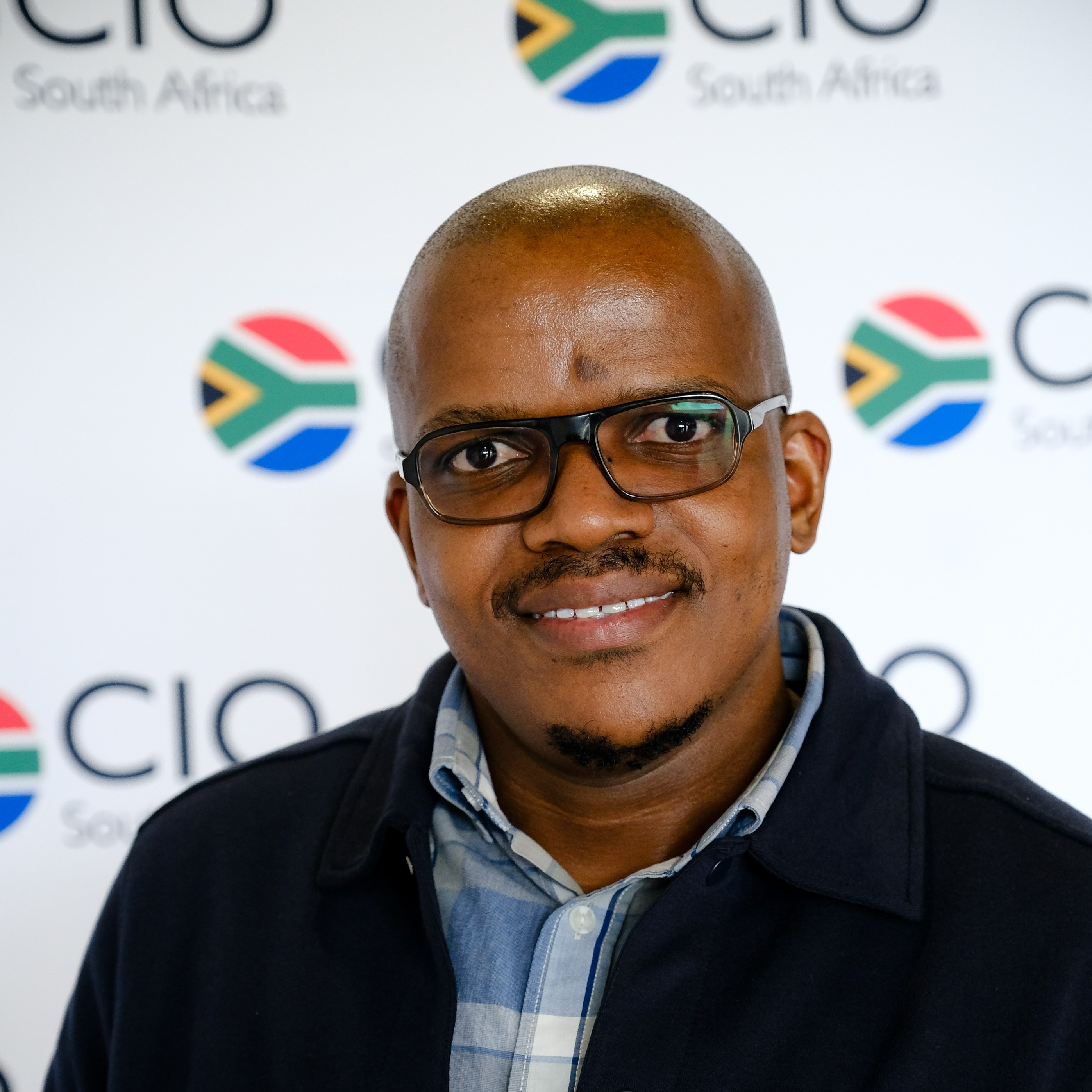

Changes to the EU AI Act are compelling organisations worldwide to train employees on AI literacy. glu Mutual CIO Sibusiso Mbingo unpacks what the law requires from a South African perspective and how to meet these obligations.
The EU AI Act is the EU’s first comprehensive legal framework that will regulate AI. The Act was adopted in 2024 and is set to come into full effect by 2026. While the Act may be coming into effect overseas, IT leaders conducting cross-border operations will have to consider its implications for their operations in Africa.
Sibusiso explains that while the rise of AI has opened new avenues for innovation, efficiency, and economic growth in Africa and worldwide, many nations are still grappling with the complexities of regulating it. “For organisations operating in the African market, the potential harmonisation of AI regulations across the continent, coupled with compliance requirements like the EU AI Act, presents both challenges and opportunities,” he adds.
Sibusiso believes the diverse levels of digital infrastructure and literacy across African nations present both challenges and opportunities for the governance of AI. “Considering that we are a digital business, we had to ensure that our AI governance strategy promotes inclusivity and does not exacerbate existing digital divides by implementing several key measures,” he says.
He highlighted some key measures to keep in mind such as insights into local context, digital infrastructure enhancement, digital literacy and regulatory compliance and partnerships.
Sibusiso went on to explain that Africa, a continent comprising many diverse nations, has multiple stakeholders with unique sets of skills, adding that it is crucial to understand each nation’s distinct digital landscape. The focus, he believes, should be on bridging the digital divide by supporting local technology hubs and innovation centres and establishing partnerships with the government and private sectors, while prioritising investment in broadband connectivity.
For inclusive AI governance, he adds, digital literacy through partnerships between private and public education institutions should be enhanced, possibly by launching educational programmes using widely accessible social media platforms.
Sibusiso pointed to the key principles of ethical AI deployment, crucial in the stage of the AI lifecycle, including transparency in AI algorithms and the decision-making process, fairness in addressing biases and holding AI developers and users accountable.
“Incorporating local cultural norms into AI development is critical for ensuring that AI technologies are accepted and effective within different communities. This involves understanding and respecting each region’s values, beliefs and societal expectations,” says Sibusiso. “These objectives will be achieved by engaging the community, promoting inclusivity in AI system design and providing ethical training for AI developers and users.”
Harmonisation and success
Considering the potential for cross-border data flows and the increasing importance of the African Continental Free Trade Area (AfCFTA), it’s important to understand how CIOs are preparing for the potential harmonisation of AI regulations across the continent.
Sibusiso believes that online AI courses and resources tailored to various skill levels and learning paces for the organisation’s employees go a long way. “We also offer a range of professional development opportunities designed to upskill our internal workforce. These include workshops and seminars, certification programmes and industry partnerships for real-world AI applications and use cases. Building AI literacy and capacity within Africa is a multifaceted endeavour that requires concerted efforts from educational institutions, industry stakeholders, and the broader community,” he explains.
Considering the risks of algorithmic bias and discrimination, which can be amplified in contexts with historical inequalities, CIOs must implement robust mechanisms for AI auditing and accountability.
“We enlist the services of independent third parties to conduct regular audits and evaluations across the entire development life cycle of the AI systems, which assess the accuracy, fairness and transparency of the algorithms while identifying potential biases and improvement areas,” Sibusiso shares.
It’s quite clear that South African CIOs are paying to global AI developments, especially AI literacy and the EU AI Act, and the requirements thereof. “By promoting a comprehensive understanding of AI, the Act aims to empower individuals and organisations to navigate the complexities of AI with confidence and integrity. As AI continues to evolve, fostering AI literacy will be crucial for harnessing its potential while mitigating its risks,” Sibusiso concludes.