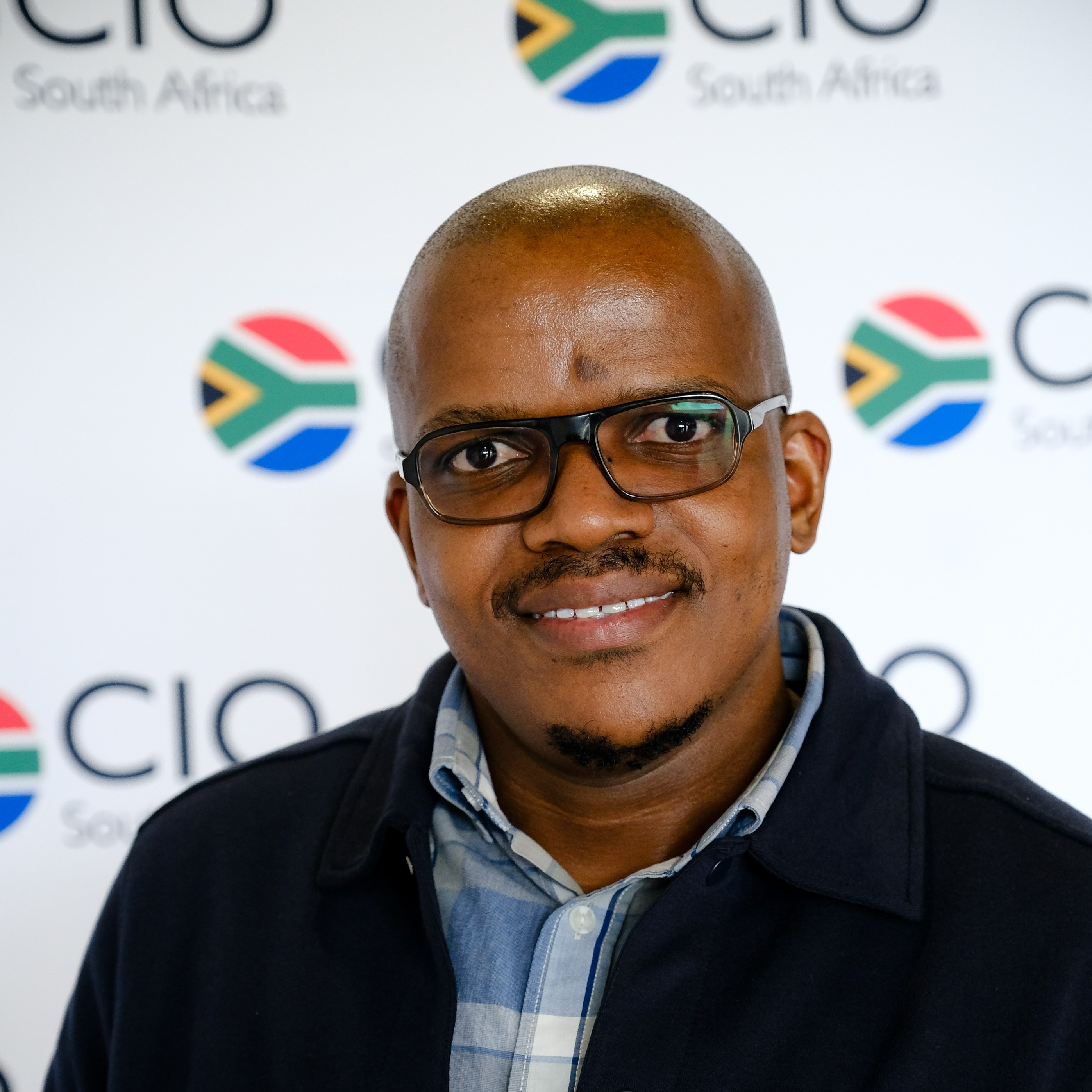
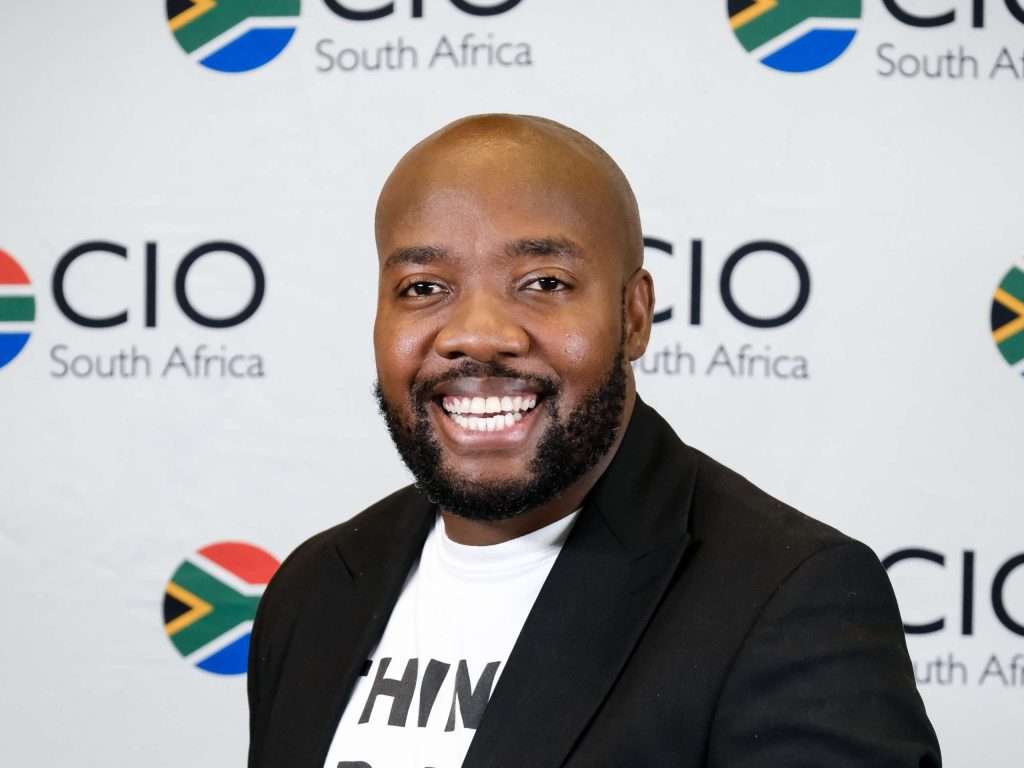
Modernising legacy systems is no longer a luxury, it’s a business imperative. But for CTOs like Mbusiswa Nyuswa from Old Mutual iWYZE, the challenge lies in balancing risk with resilience. CIO South Africa explores how today’s technology leaders can approach transformation strategically.
For iWYZE CTO Mbusiswa Nyuswa, modernisation is a high-stakes balancing act, which involves innovation without disruption and modernisation without compromising stability – the journey involves much more than just updating old infrastructure.
Q: When legacy systems hold mission-critical data but lack modern security architecture, how do you balance risk tolerance with business continuity during modernisation?
A: Modernise in stages by wrapping modern security controls around legacy systems to protect mission-critical data while you transition. At the same time, use the opportunity to design a future-fit architecture that eliminates existing inefficiencies and sets the foundation for agility and scalability. Equally important is effective communication with stakeholders, translating technical risks into business impact to align on a clear, shared understanding of risk tolerance. It's not about achieving zero risk, but about managing it intelligently and collaboratively.
Q: If you could build your dream modernisation toolkit from scratch, what five technologies or platforms would absolutely make the list, and why?
A: My list would ensure that I don't just modernise, but build a scalable, resilient, intelligent, and observable foundation, where every service, event, and decision is traceable, measurable, and secure. Without naming any specific technologies, below are the five platforms/concepts:
- API management platform – supporting deep integration with my ecosystem.
- Event streaming platform – decoupled and event-driven architecture.
- Cloud-native architecture and data platform – ensuring scalability and high availability.
- AI/ML platform – operationalising AI at scale, while enforcing governance.
- Security, compliance and data observability fabric – a future-fit data platform which is secure by design.
Q: With generative AI and machine learning taking centre stage, how do you see these technologies helping legacy systems ‘age gracefully’ or integrate more securely with modern environments in 2025?
A: AI can act as a smart wrapper around legacy systems, layering modern security controls, while translating legacy data into usable business insights. It also enables seamless integration with modern platforms, helping legacy environments stay relevant and secure.
Q: Which cybersecurity requirement do you think is most often underestimated during modernisation, and what’s the real cost of overlooking it?
A: Modernisation often increases exposure to external threats, yet many organisations assume existing on-prem security skills are enough for cloud or hybrid environments. The most underestimated requirement is the human element – failing to assess cybersecurity skills gaps and upskill accordingly. True modernisation requires evolving both the technology and the people who secure it.
Q: If you had to future-proof your modernisation strategy with one emerging technology from 2025, what would it be, and what specific legacy challenge would it solve for you?
A: AI-powered integration platforms with autonomous agents. This could accelerate speed to market and reduce technical debt by solving integration challenges that legacy systems bring when speaking to modern APIs or cloud-native platforms. This would be highly beneficial whilst transforming the legacy systems.