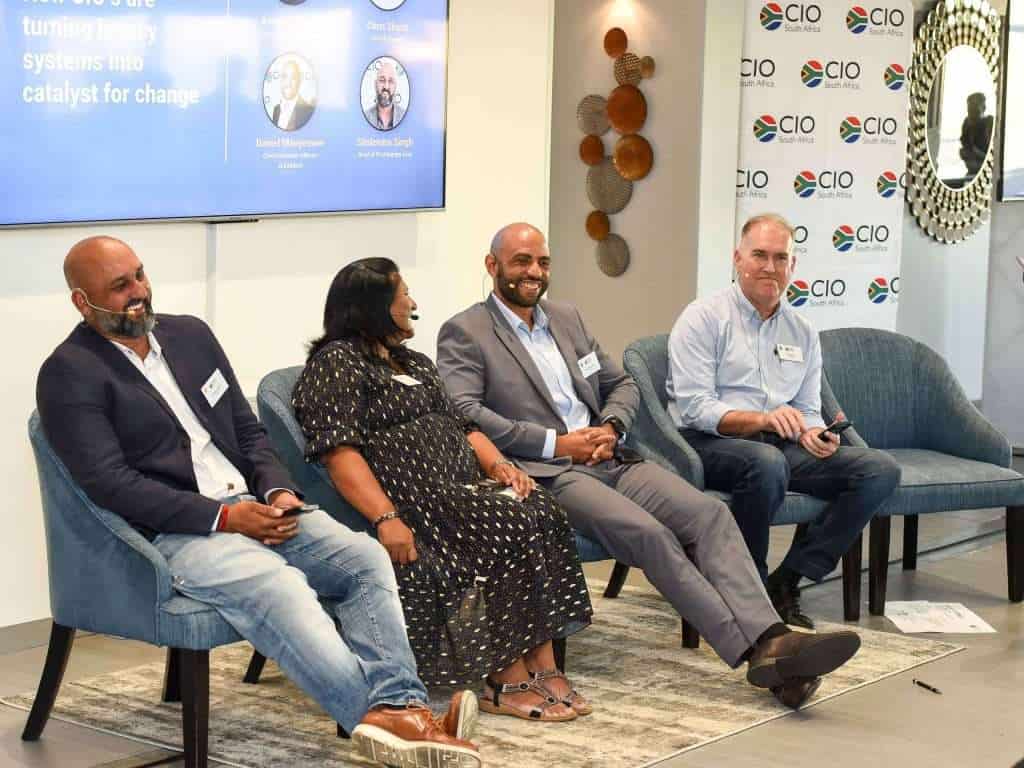
CIO South Africa hosted its Cape Town Summit on 10 April, under the theme Magic Mechanics. The community reflects on one of the event’s most engaging discussions: the challenges and opportunities surrounding legacy systems.
There’s no doubt that the topic of legacy systems on the evening of 10 April proved to be the most interactive of them all. Guest speakers, partners and attendees all had much to contribute in a discussion about legacy systems and shared crucial best practices for IT leaders when tackling this complicated journey.
During one of the interactive sessions, a spotlight was put on the end-user – where in all likelihood adoption will take place. “It’s rarely about the training required for the new systems, but rather how it will help them with their jobs,” Mustek’s group data and technology executive, Juan-Paul Gough noted. Meanwhile, Werner Leithgöb, head of IT Southern Africa at Lactalis honed in on an often missed aspect of the legacy system debate – the emotional attachment people have to that peace of ‘old’ technology.
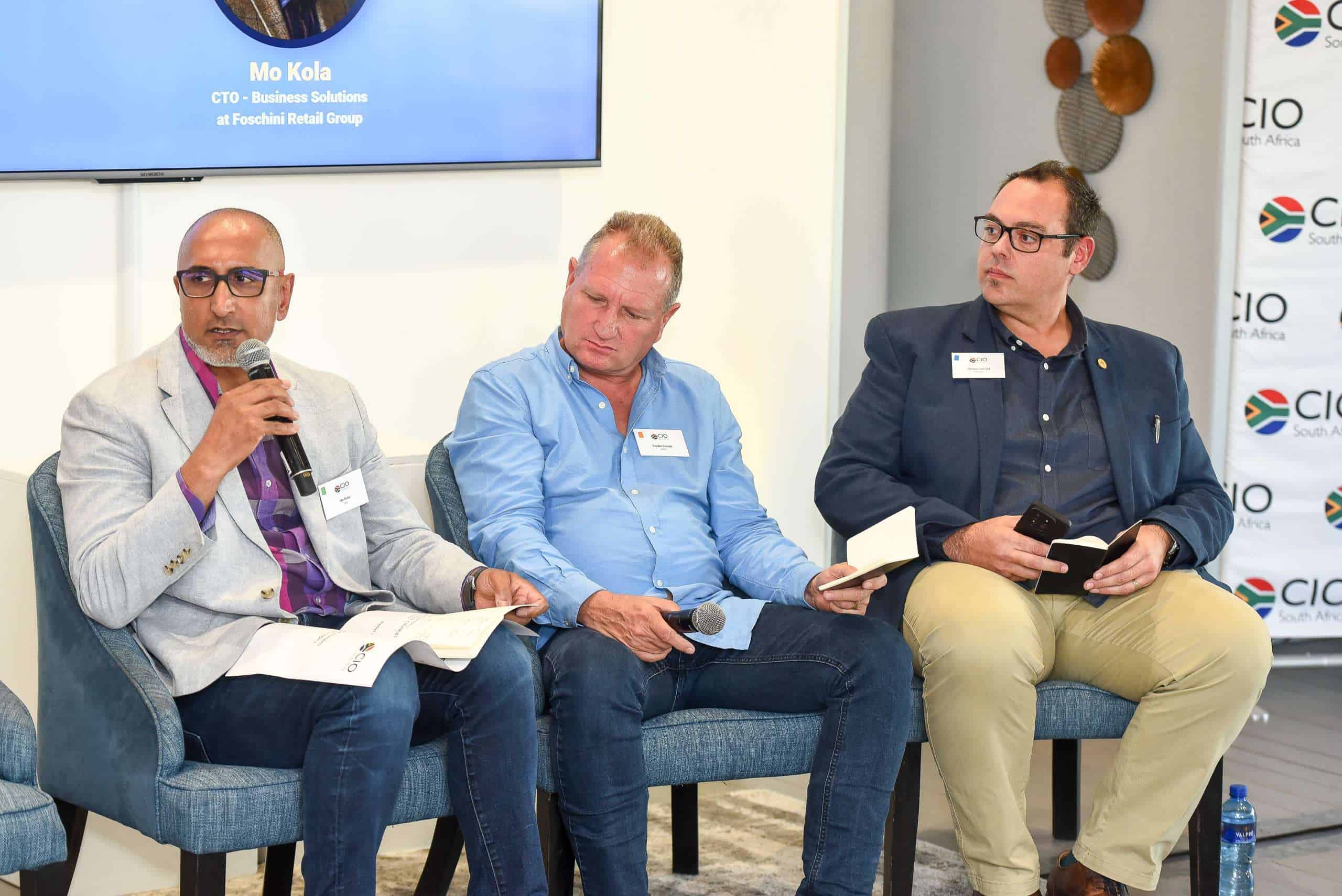
Some approaches
“Partner with HR and understand the reason for the change, while implementing and seeing the change, when you experience that change, the adoptability becomes easier. Ensure psychological safety and make peace with the fact that some individuals might want to leave,” said Clydie Cronje, chief executive: OKS iOCO.
Shaun van Zyl, regional director at Huawei, believed that IT leaders should have key stakeholders and dedicate teams for the project transition, while considering the end-to-end user perspective as well, and identify the risk upfront if you can.
“Co-creation is key, which means taking an agile approach and being able to adapt quickly – between IT and business,and setting clear expectations. Also, celebrate small wins to keep the team motivated. On culture, ensure the team has the right culture, the culture of the specialist team is considered,” he added.
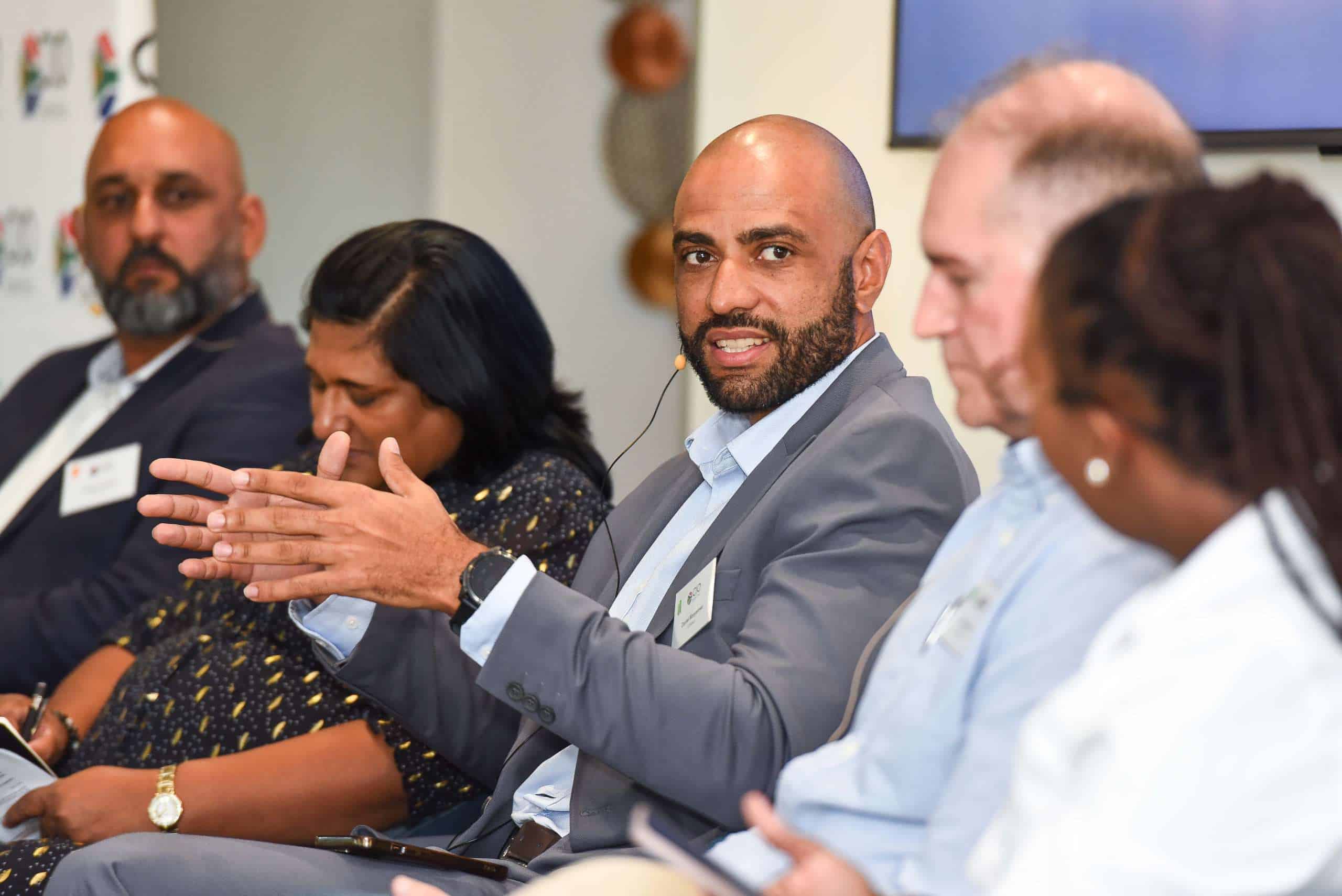
No silver bullet
Former Engen CIO Aveena Mothilall highlighted that legacy systems modernisation won’t happen overnight. In fact, it must be pre-planned, get help, through thought leadership or management consulting. Make it real so that people can see what it can do, and spend upfront.
“Find tangible business value. On the tech front, don’t change for the sake of change, be deliberate, and consider a hybrid approach. Modernisation needs to be interpreted by understanding what you want to achieve; no lip service, it has to be real, and own it from the beginning,” she added.
Shoprite group CTO Chris Shortt laid out some fundamentals:
- Be clear about your goals – both organisational and architectural.
- Communicate in your company’s language, and acknowledge the emotional impact of change.
- Help teams visualise the future.
- Anticipate disruption and plan for it.
- Prioritise sequencing, value, and discipline across business and technology functions.
- Think beyond modernisation – ask yourself: how are we future-proofing the organisation?

The business case for change
“You often have IT projects that stall at steerco level,” said Shalendra Singh, head of IT at Hungry Lion. “But IT leaders can influence outcomes by showing the business what’s at stake if a project is not pursued – whether it’s trade impact or brand reputation.”
And as keynote speaker Poppy Tshabalala pointed out, legacy doesn’t always mean obsolete. “Depending on the business, if the technology still supports your processes effectively, it’s not necessarily a legacy system,” she noted.
Yet, she stressed that we’re in an era of digital acceleration, and many legacy systems are simply unable to keep up. Pointing out that among the top enterprise investments today is replacing outdated systems.
“Fear around replacing legacy systems often stems from a lack of understanding. While these systems may still hold value for organisations, they are increasingly difficult to maintain. CIOs must adopt a strategic mindset, one that embraces modernisation and drives innovation,” Poppy concluded.