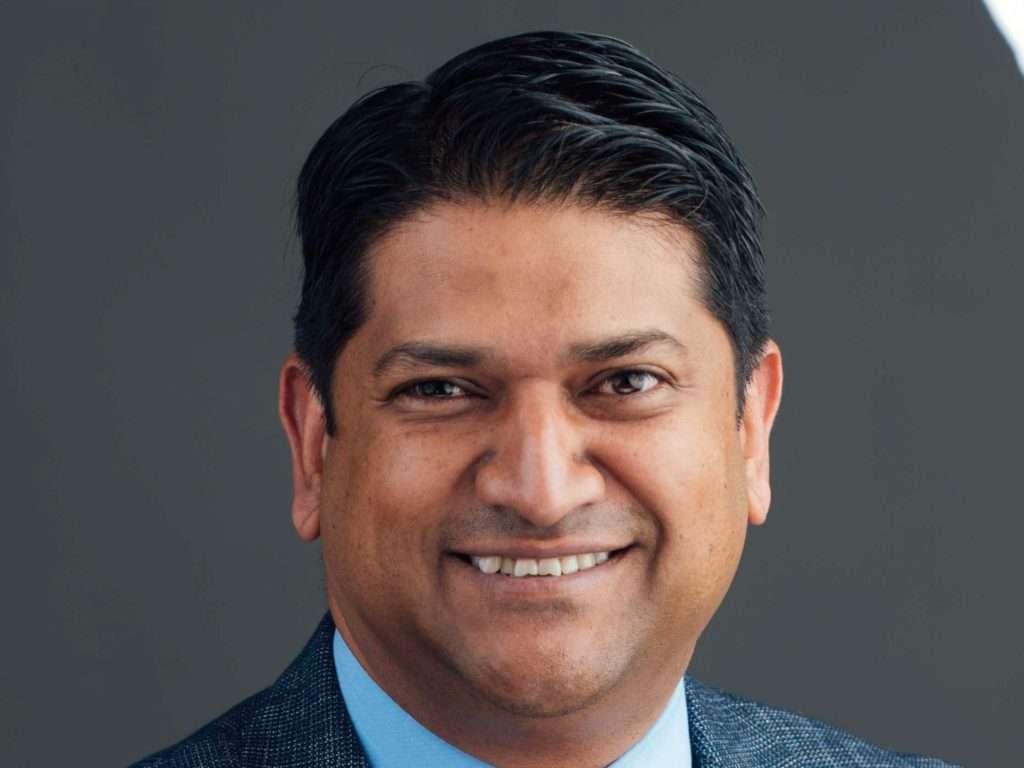
CIO South Africa recently caught up with Mahendra Beharie, an IT executive at DHL Express, and here is what he shared about his role.
Q: What makes you excited to get up in the morning?
A: It is having infinite possibilities and knowing what is possible when technology is used effectively. I am excited to see what the next level brings for organisations and how it will transform people’s lives.
Q: What keeps you up at night?
A: Cybersecurity. Data breach and managing potential risks is an everyday challenge. Because the environment changes so rapidly, so do the dangers – an environment that is deemed safe today needs to be safeguarded tomorrow. The danger is ever present.
Q: What is the biggest shift you have had to make in how you lead or think about your role in the last 12 to 18 months?
A:To me, it is all about getting people on this path and eliminating the fear with AI. Some will be willing to try it and engage with the technology, but it is about ensuring that you have the right guardrails in place. This is the reason why I chose the term guardrails. You want to allow people to experiment within a safe space, without which it would be impossible to get the required level of performance out of the platform.
This is the same with the carrot versus the stick approach; if you go for a stick approach, people will tend to shy away from such initiatives. For example, if I tell you not to put anything in the AI system, the chances are high that you will find ways of uploading the data without telling me, or simply ignore it because it may affect your performance.
In other words, as a leader in the area, it is important for you to inform people about the capabilities of AI and provide them with guidance on accessing it.
Q: When you eventually step away from your role, what do you hope to have left behind?
A: I aim to leave a legacy of improvement and to help others succeed. My greatest satisfaction comes from seeing someone excel in their career, access new opportunities and grow. I strive to leave things better than I found them. While it is impossible to fix everything, I want to be remembered for making a positive impact.
It is essential to create a safer, better environment not only for our organisation, but also for others and the wider community. If our efforts serve only ourselves, we miss the fundamental purpose. We must foster a sense of purpose and belonging as we shape the future.