The biggest takeaway from the CIO Summit panel discussion? Adoption is the true measure of AI’s impact. That’s what speaks to operational efficiency, and business value and ROI will follow.
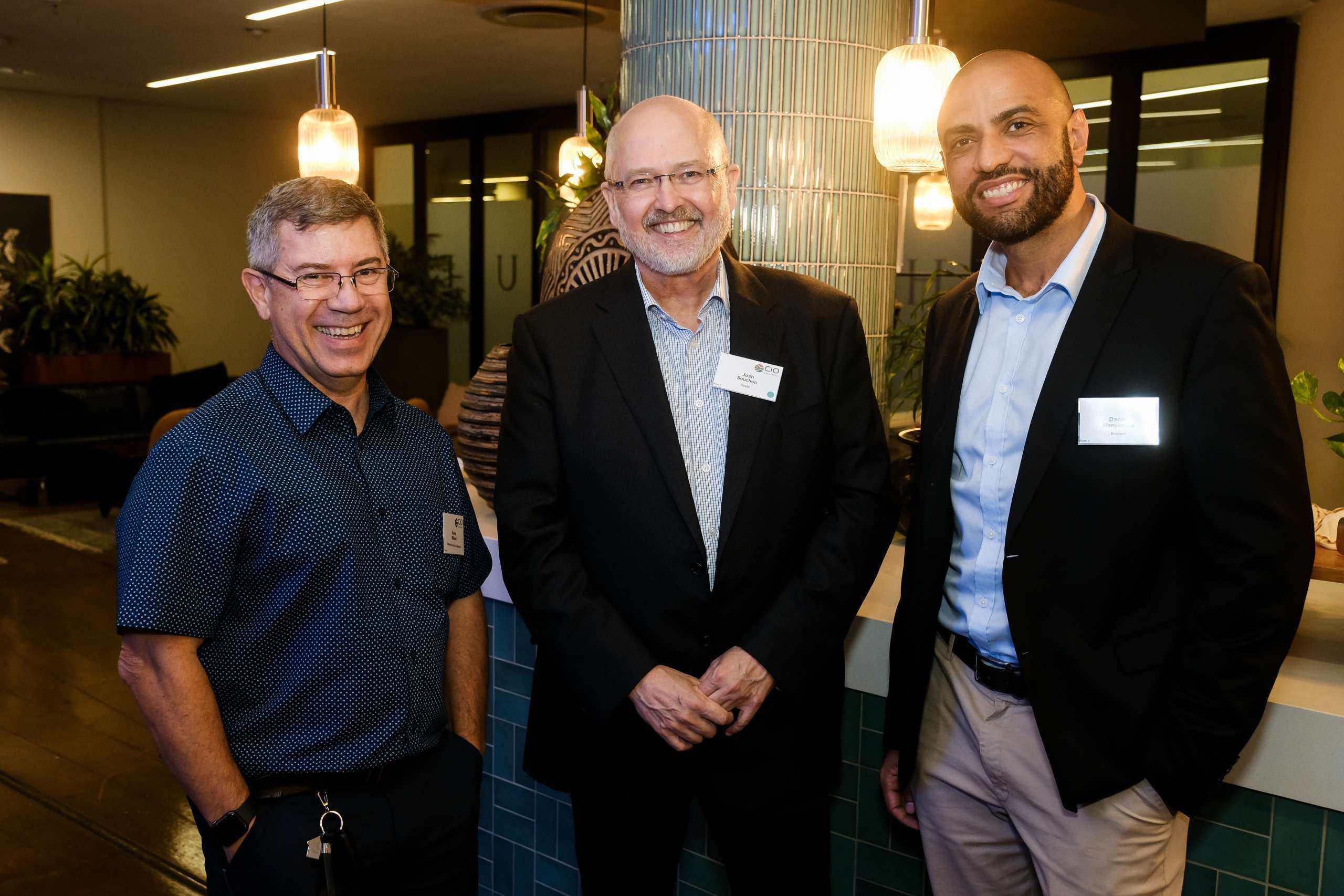
This week, South Africa’s top CIOs gathered in the vibrant Melrose Arch to explore AI’s potential, real-world applications, and the future of an AI-enabled workforce.
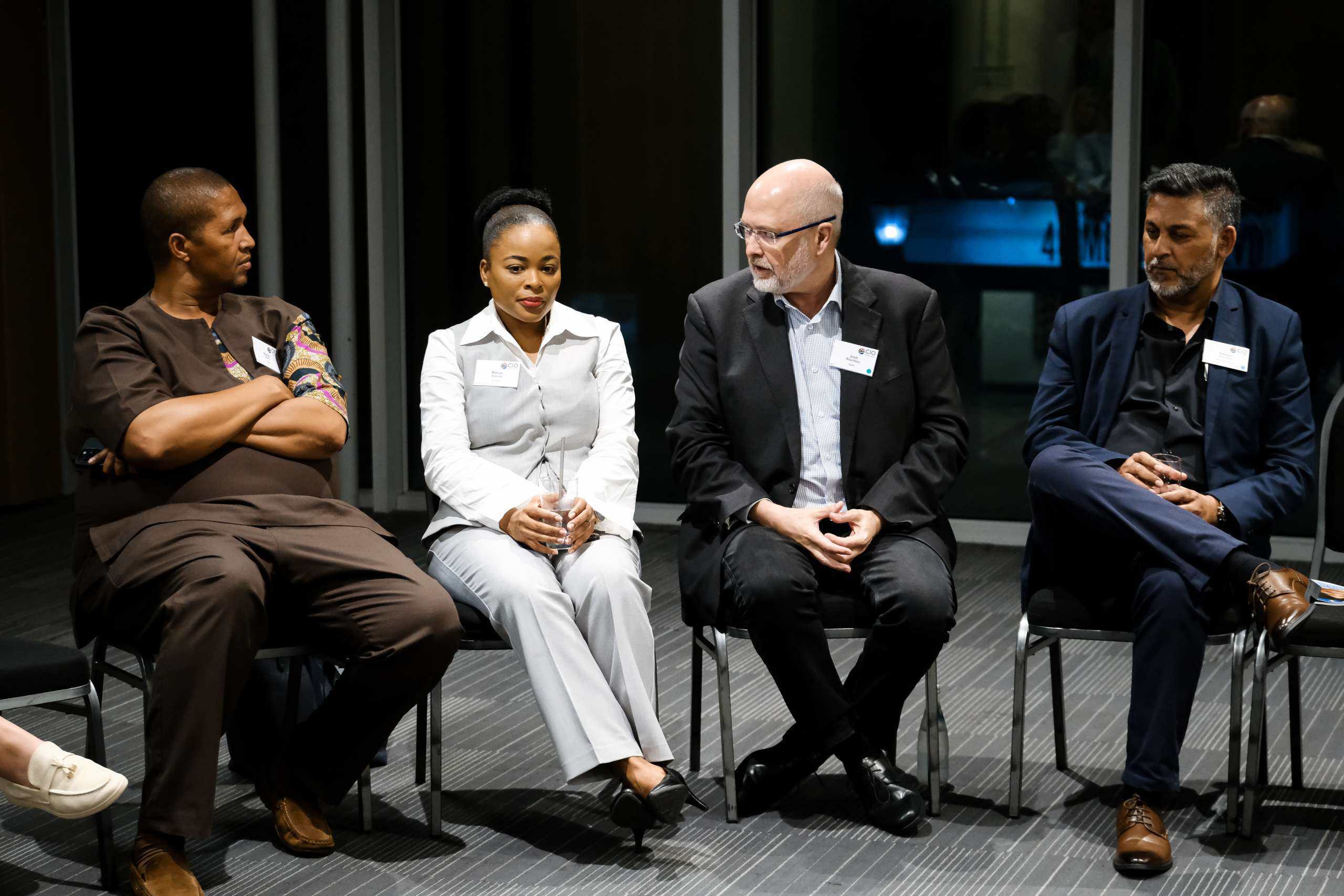
Between an inspiring keynote, high-energy networking and gourmet refreshments, attendees broke into smaller discussion groups to share their AI experiences – highlighting both successes and challenges.
One breakout group delved into AI initiatives and the lessons learned. The discussion gained momentum when the debate turned to hyperscalers. “The key takeaway was that businesses shouldn’t rely solely on hyperscalers but should also leverage their existing infrastructure,” one CIO noted. “Understanding the problem you’re solving and the technology you’re using is crucial.”

Another participant emphasised AI’s role in driving efficiency and innovation: “When used correctly, AI should solve real business problems and enhance operational effectiveness. The goal is to transform the business, not just automate processes.”
AI’s impact on revenue generation was another focal point. “If AI can demonstrate significant financial value, it makes for a strong business case,” a CIO pointed out.
Another IT leader took a structured approach, defining AI as a machine learning-driven tool designed to solve business challenges. “Start with the five Vs of big data: volume, velocity, value, variety and veracity, then build your business case from there.”
From an infrastructure standpoint, one CIO highlighted how AI has enabled their organisation to capture vast amounts of data, unlocking new insights and efficiencies.

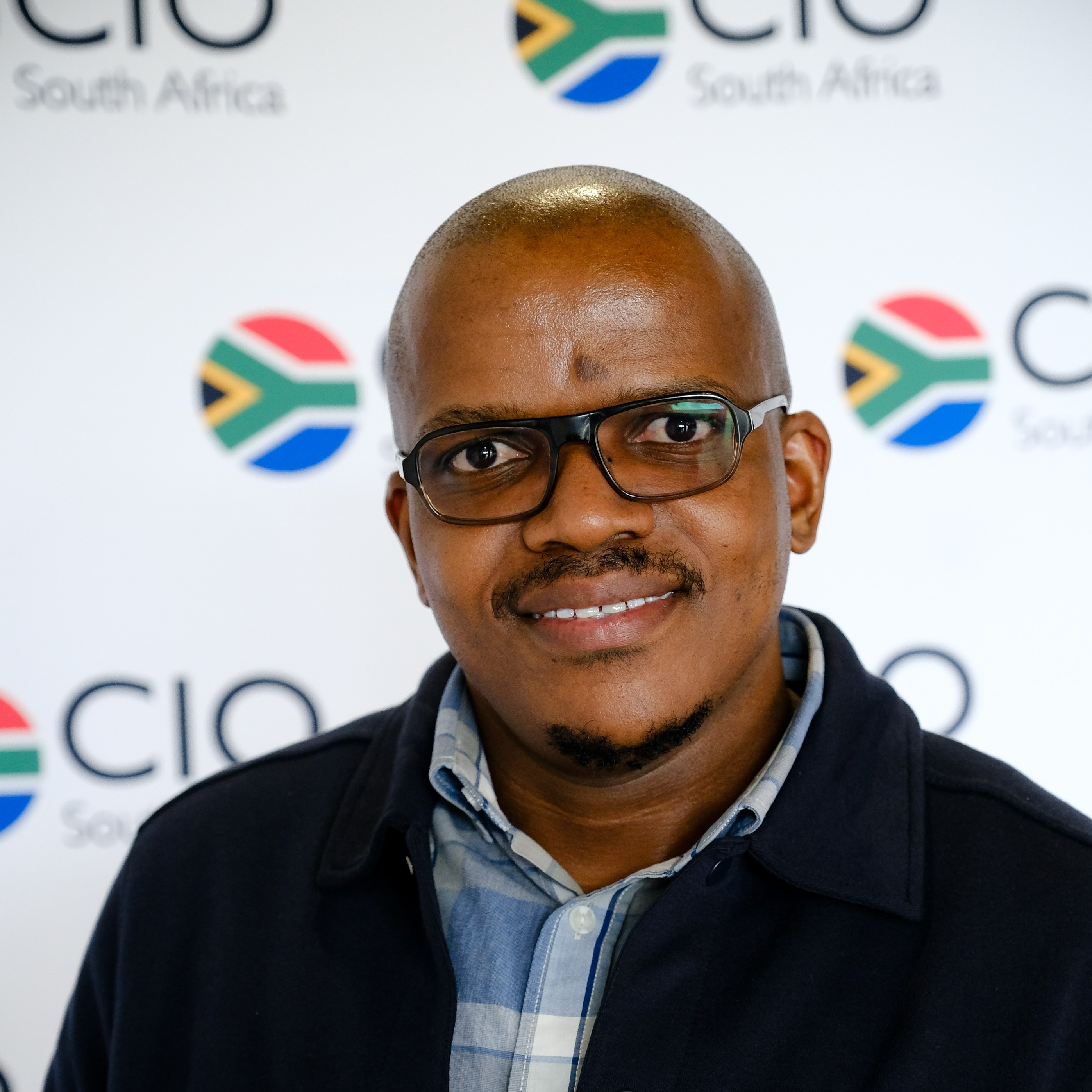
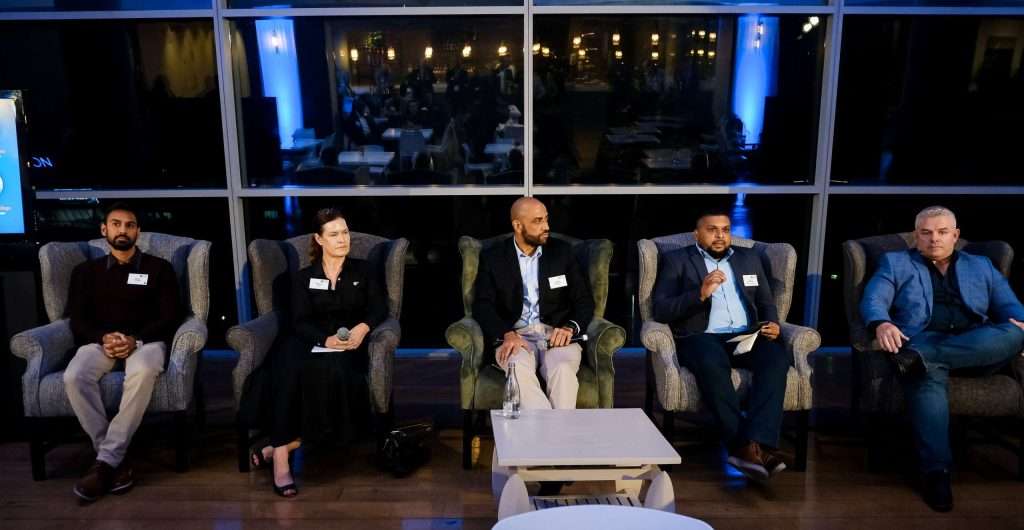
The insights from these breakaway sessions were unpacked by a dynamic panel featuring Douglas McNeilage, senior manager for sales at MakwaIT; Adil Rampersadh, lead executive for Africa enterprise business, digital transformation, and sales at Liquid Intelligent Technologies; Daniel Manyemwe, chief customer officer at Entelect; Mary-Lyn Raath, head of digital South Africa at iOCO; and Moeen Mungalee, CIO at Zoom Fibre.
AI’s potential to enhance productivity was a recurring theme, but concerns over job displacement were also raised. “Certain roles that don’t require continuous human creativity are at risk,” noted Daniel. “The real question is, how do we empower those employees and help them adapt?”

One of the strongest insights came from the discussion on measuring AI’s success. “Across multiple departments, from marketing to software development, AI is being used in different ways,” a panellist observed. “But the key metric is adoption: how many employees are actually using AI tools? It’s less about theoretical value and more about real-world usage.”
Moeen added his perspective: “Our discussion centered on where AI can truly add value, whether in customer experience, business support, or other areas. The big debate was around enhancing customer interactions. That’s when it hit me: customer experience should be a top priority in AI experimentation.”
As the summit concluded, one thing was clear: AI’s future is not just about technological advancements, it’s about strategic adoption, practical implementation and a focus on business value.