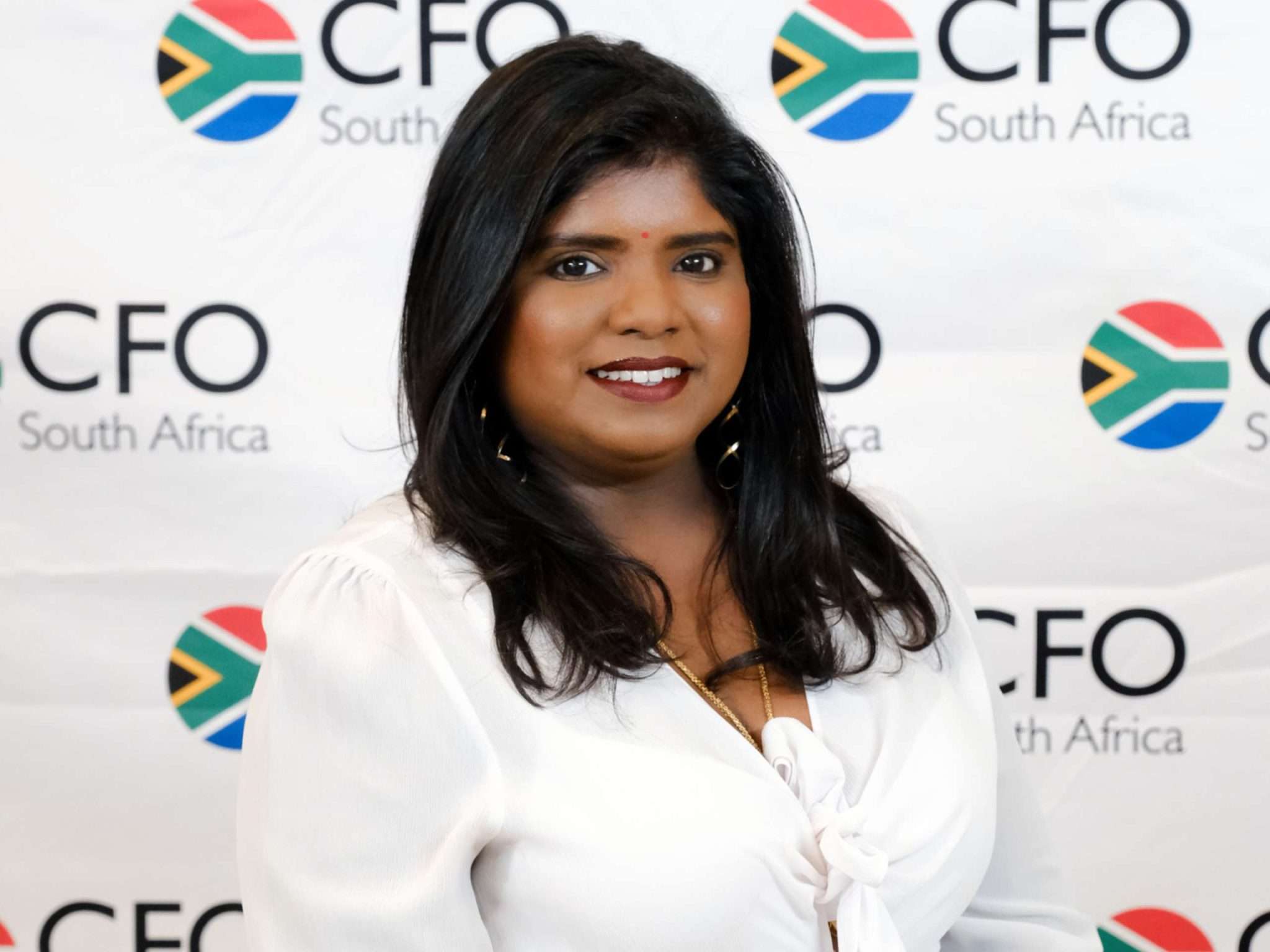
After surveying hundreds of South African financial services managers for her PhD, PwC South African Technology and Innovation Centre chief technology officer Dr Vinoliah Martin explains why workforce attitudes and empowered middle managers matter far more than coding skills when embedding AI.
When Vinoliah Martin’s father brought home the family’s first computer, she was 14 years old and fascinated by what a machine could do. Three decades, an MBA, a stint at Microsoft and a senior technology leadership portfolio later, that same teenage curiosity has culminated in a doctorate.
What made you take this on while running a CTO portfolio?
Taking on this degree started with a curiosity that began at the age of 14, when my dad brought home our first computer. I was fascinated by how it worked and what was possible. That curiosity shaped my career – from studying software development and exploring how technology can solve real-world problems, to completing an MBA that broadened my perspective on how technology, business and strategy come together to create real business value.
A particularly defining chapter in my career was my time at Microsoft, where I had the privilege of working at the forefront of digital innovation and seeing first-hand how cloud and emerging technologies could reshape industries, while working with several financial services organisations as they progressed through different stages of their digital journeys.
Pursuing a PhD while leading technology portfolios gave me the opportunity to bring these experiences together through rigorous academic research, challenge my thinking, and examine what organisations truly need to succeed in an era of AI-powered digital transformation, while contributing meaningfully to a broader body of knowledge.
So for me, the PhD was never a departure from my career. It was a continuation of the same curiosity that started when I was 14 years old.
What was your research actually about, and why did that problem matter to you?
My research was motivated by the growing need to address one of the challenges facing organisations today and that is the shortage of a digitally competent workforce equipped to adopt and leverage emerging technologies (artificial intelligence and machine learning) to drive effective digital transformation. It also examined the often-overlooked role of middle managers in this phenomenon.
The research moved beyond a traditional focus on technical skills to examine the broader digital competencies (knowledge, skills and attitudes) that enable people to use technology effectively. By modifying the European Digital Competence Framework and analysing data collected from hundreds of middle managers across South Africa’s financial services sector, the study found that workforce knowledge (tacit and explicit) and attitudes (affective, cognitive and behavioural dimensions) are the digital competencies that most significantly enable effective digital transformation. The findings also highlight the evolving role of middle managers as organisations become increasingly digital and AI-driven.
Did anything from the PhD change how you think about IT strategy or leadership in your day job?
The PhD didn’t fundamentally change how I think about IT strategy and leadership, but it deepened many of the principles I had developed through experience and learning. It also reinforced my belief that leadership must remain human-centred. Technology may change rapidly, but transformation succeeds when people are equipped, empowered and inspired to change with it. With AI-powered digital transformation, that becomes particularly important because organisations need people who understand not only how the technology works, but where, when and why it should be applied to create meaningful business value, and strengthen competitiveness.
Now that it's done, does this change your career ambitions – is there a next chapter?
I don’t think it changes my ambition as much as it gives it greater clarity. I want to continue helping organisations navigate digital transformation – not simply by adopting AI, but by building the leadership, organisational capability and digitally competent workforce needed to embed AI effectively, create sustainable competitive advantage, and use technology responsibly to deliver meaningful business value.
I think my next chapter is about broadening that impact. I want to contribute more at board level and become involved in lecturing so that I can use my experience and competencies to further help shape the future of technology while continuing to mentor, inspire and empower the next generation of technology leaders.
Our greatest advantage as CIO/ CTO’s is our ability to build digitally competent people, adaptive organisations, human-centred, transformational leaders and future-ready technology strategies that can turn AI ambition into sustainable business value.