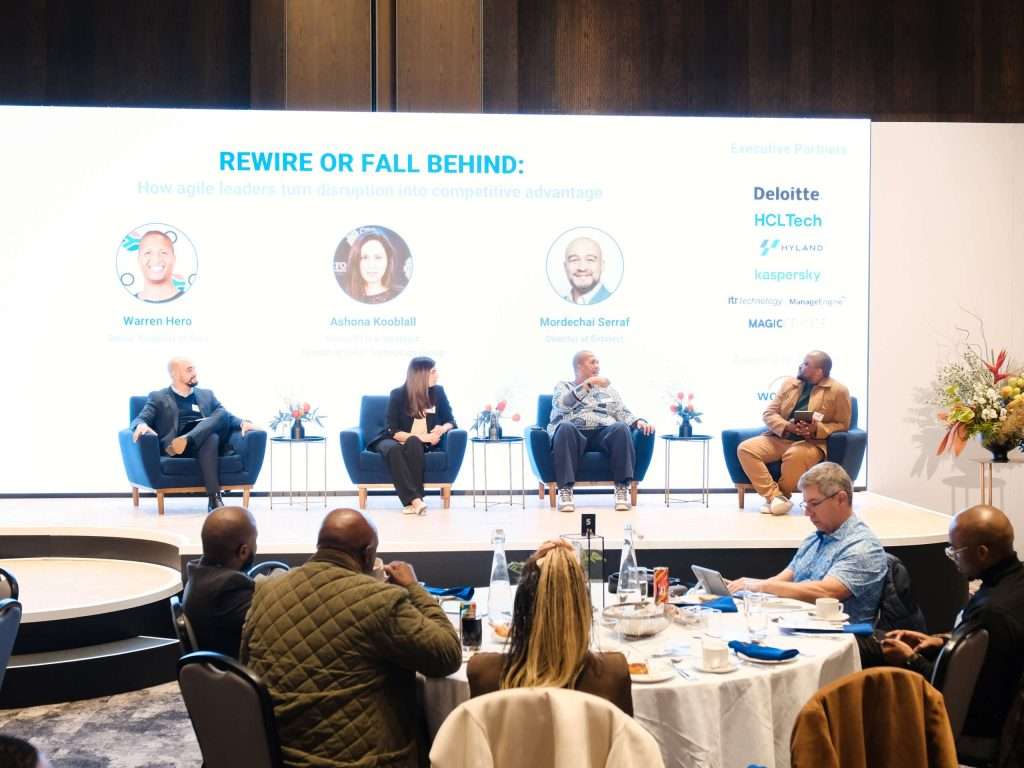
In addition to agility in the age of AI, industry leaders at the recent 2026 CIO Day in Johannesburg explored the partnership between tech and finance chiefs.
During a panel discussion at the event themed Rewire or fall behind, the relationship between the CFO and CIO emerged as one of the most powerful levers for agility in an age of disruption and AI.
During the frank discussion, the CIO/CFO partnership was highlighted as a joint responsibility for how fast – and how safely – the organisation can move.
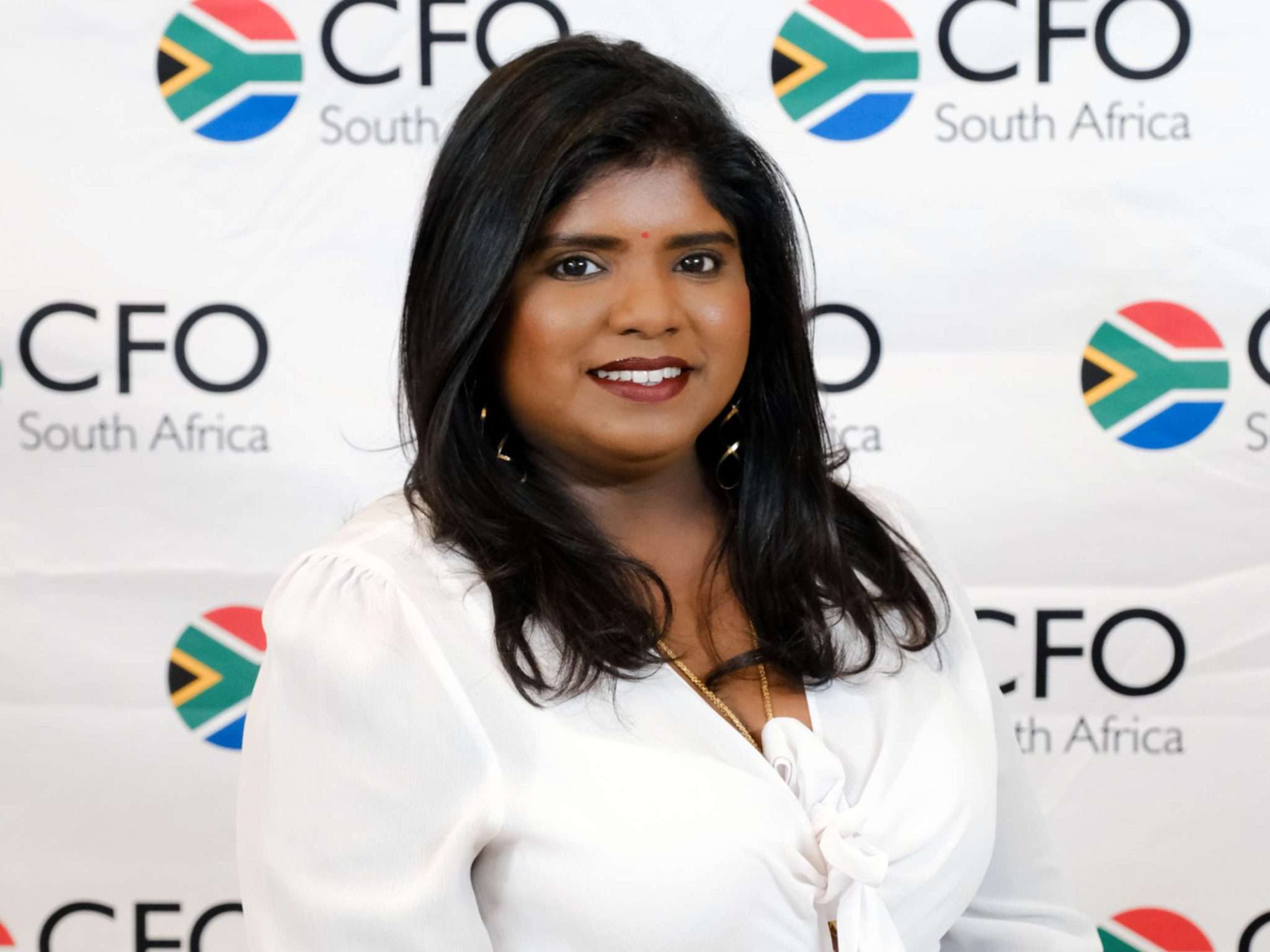
Panellists included heavy industry hitters such as Warren Hero, architecture design segment product lead at Sars; Ashona Kooblall, group CFO & strategic growth at iOCO Technology Group and Mordechai Serraf, director at Entelect.
Rewiring the organisation from the CIO’s chair
From the CIO’s perspective, the partnership has moved away from merely getting budgets approved. Now, it’s about rewiring how the organisation thinks, decides and delivers results in the fast-paced Fifth Industrial Revolution was the general sentiment
Warren and Mordechai painted a clear picture of what CIOs are up against and what they need from their CFOs and boards to truly move at the pace of disruption.
From a delivery and engineering lens, Mordechai made it clear that agile teams don’t necessarily make agile organisations. “Not having decision-making powers means we’ve decoupled accountability and decision-making, and those teams are unable to actually control their own destiny. They’re unable to move at the pace that they’re actually capable of moving at because they’re constrained by the processes that make those decisions.”
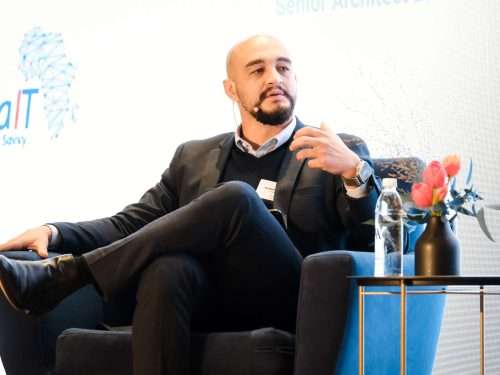
Mordechai spelt out what this looks like in practice. “If a team is working in bi-weekly sprints, and they’re getting their work done and they’re moving very quickly, but they hit a change that needs sign off, and that process takes six to eight weeks, then that’s actually the pace at which they can move. If a team knows who they need to hire when they need to hire them, but they’re beholden to a procurement process that can take two, sometimes three months to conclude, then that’s actually the pace at which they’re able to get going.”
The CIO as context‑maker
Warren approached the same challenge from a leadership and systems perspective. For him, agility starts with how CIOs think about context. “If you don’t appreciate or understand your context and understand what your competitors are doing, you are putting yourself at a significant disadvantage already. Disruption is a reality, and so you then have to approach today with tomorrow’s logic.”
He challenged CIOs to move beyond “doing more with less” to “doing new with less”, which requires multiplying effort through people and digital dividends – not just tools.
“Remaining human is about understanding the fact that care and growth of individuals in your enterprise is the most important thing, because if you want to surmount complexity, you then have to think about how to multiply your effort,” said Warren.
For CIOs, this means creating space, time, capacity, psychological safety for teams to learn, synthesise and innovate, without the burden of a financial chokehold from the C-Suite.
What CIOs need from governance
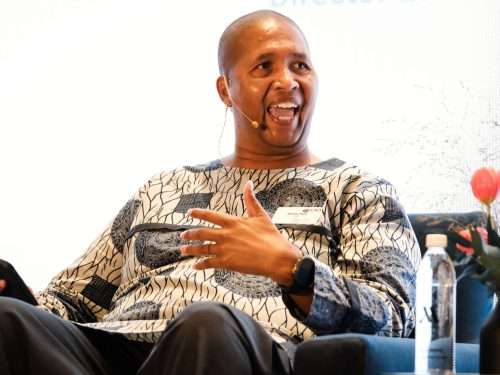
Both Warren and Mordechai pointed out that classical governance models are often structurally misaligned with the complexity CIOs now manage.
“There’s no silver bullet for competence. Right now, competence is more important than ever, precisely because of how fast AI lets you move. Everybody's impact within the organisation is so incredibly amplified, for better or for worse,” Mordechai said on framing complexity and experimentation.
“With AI, it’s effortless to tackle any problem. The output is so incredibly beautiful. If somebody doesn't have the skills required to properly scrutinise that output, it seems correct. So it creates an illusion of competence,” he added.
Warren pushed the point further, questioning whether leaders are willing to question what they hold sacred. “One generation’s immutability becomes the next generation’s disposable. And so as a leader, we have to appreciate that some of the things that we hold to be immutable are the very same things that are precluding us from understanding why things are disposable.”
Warren made it clear that the real enabler of this shift is culture and trust. “It’s very difficult to fail forward when you don’t have trust,” he said. “What is the trust economy in your business? We talk about ethical leadership, and then there’s a lot of deception in organisations. What is your model of ethical leadership in your organisation, because that model of ethical leadership leads to psychological safety, that psychological safety leads to trust. There are no shortcuts here.”
From technical pitch to business case
Ashona provided insight and advice from the CFO lens, stating firmly that CIOs need to change how they show up to the C‑suite and the board.
“The CFO and CIO partnership is super important.Taking the conversation forward around value creation is going to be key to your profile moving forward, getting closer to your board members and the C suite. State your key priorities for the year, move away from the technical aspects into a more business-case discussion around how you transform priorities into tangible and measurable outcomes for your organisation,” she said.
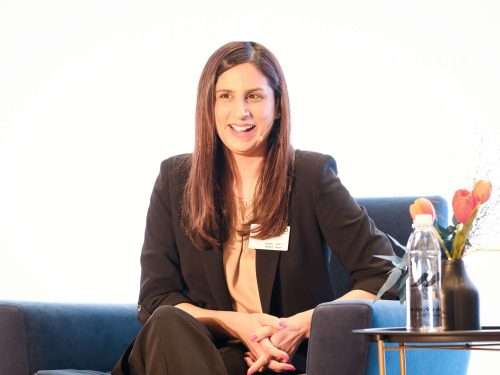
She also advised that CIOs build flexibility into those business cases, as a means of preparing for possible disruption, regulatory shocks and cyber risk.
“Talk about what a disruption looks like and why you need flexibility in your approach to your cost and your investment case. Remain flexible in the way you build your business case and around how you're going to manage in the case of a disaster,” added Ashona.
For CIOs, this means framing technology as changeable portfolios of bets that can be rebalanced as realities shift. When probed on cost-cutting, Ashona was resolute.
“I don’t call it cost-cutting. It’s a more sophisticated term called capital allocation. From a CFO lens perspective, every round that we spend on is always as a first priority, in the best interest of the company and what is going to yield rewards over time.”
She was resolute, however, on the fact that technology investment should be at the top of the investment priority list.