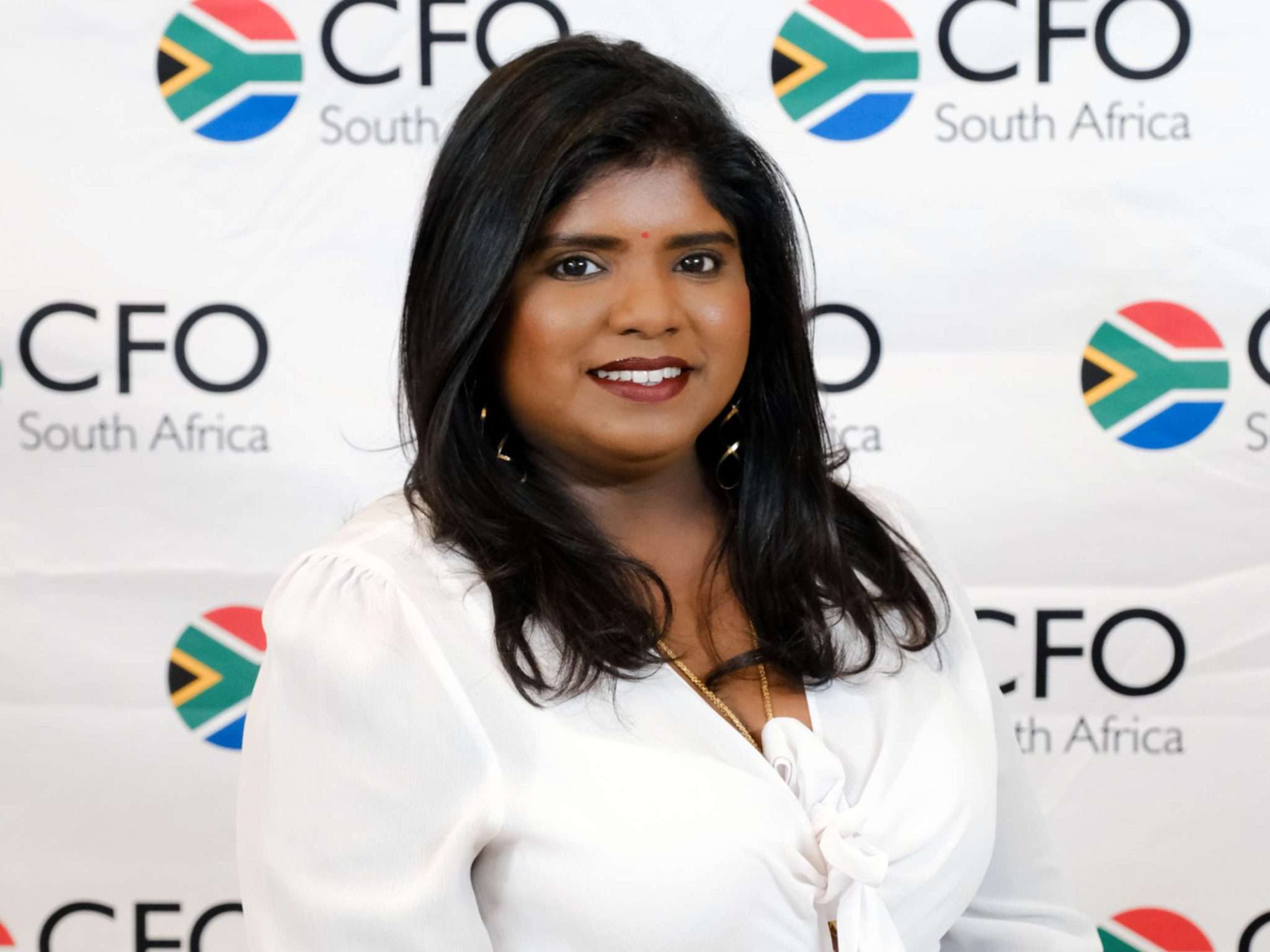
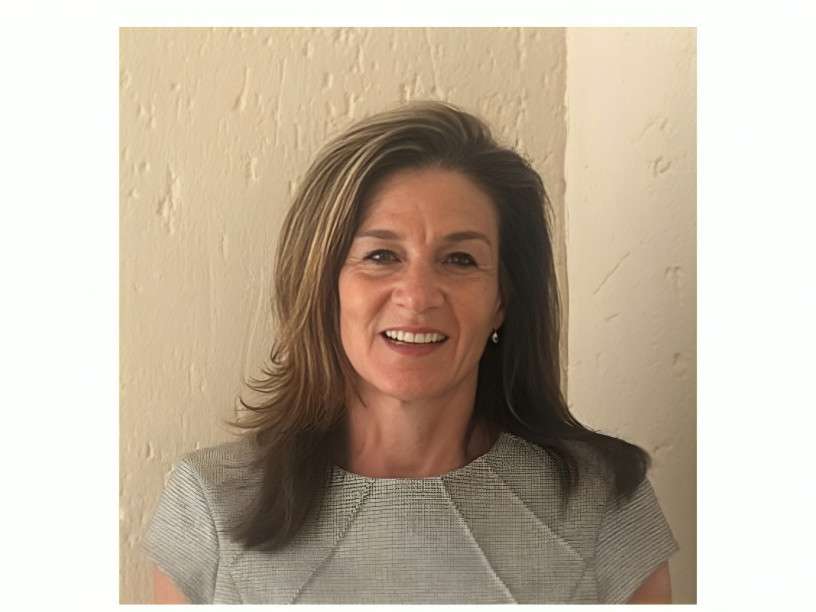
Sarah Blignaut, deputy CTO at Sars, says technology transformation starts with listening, not technology. She explains how a paper-choked tax authority became a digital-first institution trusted with R2.01 trillion in annual collections.
Sarah Blignaut, deputy CTO at Sars, remembers when tax returns lived in paper stacks. The sheer volume of physical documentation compromised the structural integrity of the buildings that housed them.
Today, the Sars team processes more than 300 million third-party data records to auto-assess over 6.8 million taxpayers a year, with over 99 percent accepting their returns without lifting a finger.
That shift, from drowning in paper to running one of the country's most sophisticated digital platforms sits at the centre of Sarah's 25-year career at Sars. But she is quick to correct anyone who assumes it was a technology story first.
“One of the biggest lessons I learnt very quickly is that technology transformation starts with listening, not technology,” she says.
A mission bigger than the system
Sarah did not set out to work in information technology, nor tax. She began a BCom degree planning to become a chartered accountant, until a first-year vacation job auditing a hotel, complete with boxes of receipts and a mandatory green pen, sent her running in the opposite direction.
She finished her degree majoring in information systems instead, joined FNB in Johannesburg, moved into consulting and landed at Sars in 1999. She has stayed there ever since, rising from systems analyst to deputy CTO.
What keeps her there, she says, is “Sars’s mandate and its contribution to a higher purpose: to enable government to build a capable state and to foster sustainable economic growth and social development, but most importantly to serve the wellbeing of all South Africans,” she says.
“What better reason is there than to make a difference in millions of lives in South Africa? I really consider myself very fortunate to be among a few digital leaders who have the opportunity to see their work make such a tangible difference.”
Modernisation that citizens actually feel
For Sarah, the auto-assessment programme is the clearest proof that modernisation can be measured in the simplicity and convenience it delivers to ordinary taxpayers, not just by internal efficiency. Sars now processes hundreds of millions of third-party records annually, cleans and matches them and delivers a completed assessment that most taxpayers simply accept. Filing season saw almost 6.9 million taxpayers auto-assessed with R8 billion in refunds paid out within 72 hours, providing a much-needed stimulus into South Africa’s economy.
The scale of the transformation becomes clear against Sars's collection numbers. At its last financial year-end, the organisation collected R2.01 trillion, a figure Sarah credits largely to the modernisation journey and removal of manual processes. Sars does not keep that money either; it sweeps daily directly to the National Treasury.
For Sarah, the work is more organisational than it is technical. Most of the friction Sars used to face, she suggests, was never about the technology alone. While challenges often become visible through technology, they are frequently linked to broader processes and ways of working. Fixing that meant simplifying processes, improving access to information and building systems people could trust, with digital tools as just one part of a bigger solution.
Building AI with guardrails, not for its own sake
Sars's approach to artificial intelligence follows the same logic. “We don’t implement technology for technology’s sake. We’ve got to find how it’s going to add business value,” Sarah says.
That thinking shaped Lwazi, Sars’s AI assistant, available on Sars’s website, mobile app and eFiling. It started with a focused objective: feeding the tool public-facing documents so taxpayers could ask plain-English questions, such as which tariff applies to imported chocolates, instead of searching documents running into thousands of pages. Lwazi has since answered more than three million queries, easing pressure on Sars’s contact centres. It now also can inform taxpayers whether they have been auto-assessed and what their status is.
Sarah describes the expansion as deliberate and incremental. “The advice from an AI perspective is don’t try and eat the elephant whole,” she says. “Start slicing off little pieces. Start small, which can then extend, rather than starting off with a massive project.”
Sars also uses AI internally, which helps keep guardrails in place when it comes to data protection. Staff are expected to keep what Sarah calls “the human in the loop”, checking outputs rather than accepting them blindly, given that ungoverned AI can hallucinate. With a vision statement built around being “trusted and admired”, Sars treats that oversight as non-negotiable.
Leading through pressure, not around it
The role has not come without strain. Sarah spent years believing she needed to control and know everything, working long hours until a boss told her it was acceptable to say she didn’t know something immediately.
That lesson, she says, reshaped how she leads: trusting her team, delegating decisions, and accepting that Sars’s systems will keep running even when she steps back. This opportunity also allowed exceptional talent in her team to shine, and reinforced her belief that that success is never an individual achievement.
She credits her mentors and amazing team for helping shape her career. She is equally grateful to her husband, also from an IT background, and her son, now in IT himself, with giving her the space to build her career.
Hiking and time outdoors have become her main way of resetting – even though she once resisted walking as a pastime, she now calls it essential reflection and thinking time.
Paying the ladder forward
Mentorship is a big personal goal for Sarah. “I'm very passionate about mentorship and about growing others, both formally and informally,” she says. “Being a woman leader in IT is not as uncommon as it once was, but we are still fewer in number than our male counterparts. As a result, many women in technology continue to look to senior women leaders in the IT world for inspiration, guidance, and support.”
“I’ve been very fortunate to have inspiring mentors and managers throughout my career who have lifted me up to this position, and it’s very important that I continue that and pay it forward.”
She singles out a former mentee, who recently completed her doctorate, who now lives abroad. The young woman called Sarah to tell her that seeing her career journey had proved that women could succeed in the IT field. “That’s what I really get a kick out of: seeing the growth in others, and it’s a lovely part of my job. I absolutely adore that,” Sarah concludes.