At the 2025 IT Indaba, industry leaders urged South Africa’s tech sector to move beyond rhetoric on diversity and focus on driving digital sovereignty, innovation and inclusion across the continent.
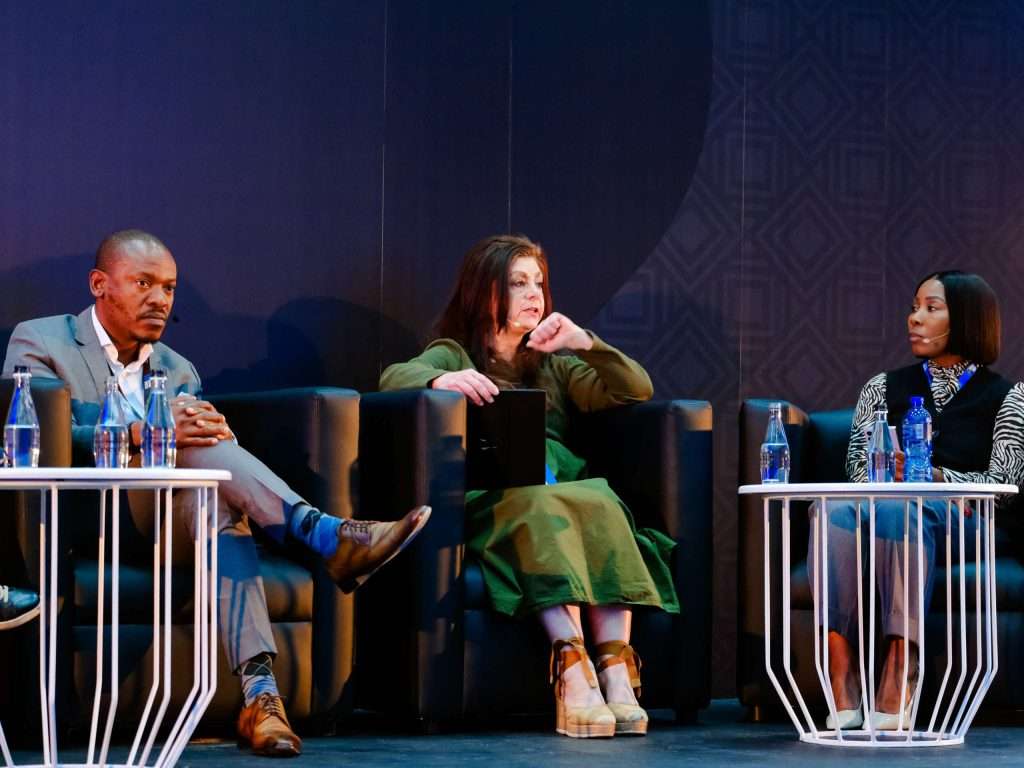
The 2025 IT Indaba hosted some of the country’s brightest technology minds at the Sandton Convention Centre, buzzing with energy, engaging conversations and thought-provoking panel discussions. In one standout session, Cultivating diverse leadership: Why diversity is key for tech leaders, panellists explored how inclusive leadership, diverse thinking and digital ownership can shape Africa’s technological future.
Sne Dlamini, group vice president for technology and digital at AECI, emphasised that diversity in technology extends far beyond gender or race. “In the world of tech, diversity is multifaceted,” she said. “If you’ve got a diverse team that enables neurodiversity, you empower individuals who can see patterns that others can’t. Combining young, agile professionals with experienced experts creates an ecosystem that balances innovation with compliance and regulation.”
Sne noted that true diversity also involves addressing Africa’s digital inclusion gap, saying that there is a need to bring South Africans and Africans along on the digital journey because digital inclusion is still a major issue.
“Much of our data is biased by nature. If we continue to build models based on this data without questioning its legitimacy, we risk perpetuating inequality. A diverse team challenges these assumptions and ensures the models we build are equitable and inclusive,” she said.
She warned that the risks of bias extend to artificial intelligence and machine learning, “If we are going to design AI models based solely on historical data, we could face problems with hallucination and bias,” she explained.
Asking the right questions
She also added that by questioning who is being left out and who needs to be brought along, organisations create technology that truly serves everyone.
Khomotso Molabe, group CIO for personal and private banking at Standard Bank, highlighted Africa’s demographic advantage and the opportunity it presents. “Africa has the youngest population in the world and is experiencing faster economic growth than any other region,” he said.
He also explained that history shows that the greatest innovations came from advances in technology. But to harness this potential, he said, IT departments must get their tech professionals to upgrade their mental software, to start with the right questions before jumping to solutions.
He also called on technology leaders to frame innovation around Africa’s unique challenges and explained that IT departments must ask, why does Africa have the biggest energy gap? Why does Africa lag in infrastructure? Why do they use everyone else’s technology instead of developing their own?
“When tech professionals ask these strategic questions, we unlock innovation that is relevant to our context,” he said.
Former Avbob group CIO, Helen Constantinides, argued that while diversity should now be foundational, the next frontier is digital sovereignty. “It’s 2025, diversity should already be part of how we build, lead and innovate,” she said.
“The next step is owning our data, our platforms, and creating a digital industry for South Africa that attracts the world.”
She pointed to African success stories as proof of the continent’s capability and explained that Kenya pioneered mobile money before Silicon Valley.
“Rwanda uses drones for medical deliveries. Nollywood in Nigeria outproduces Hollywood. Africa is not waiting for the future, we are already building it,” she said.