
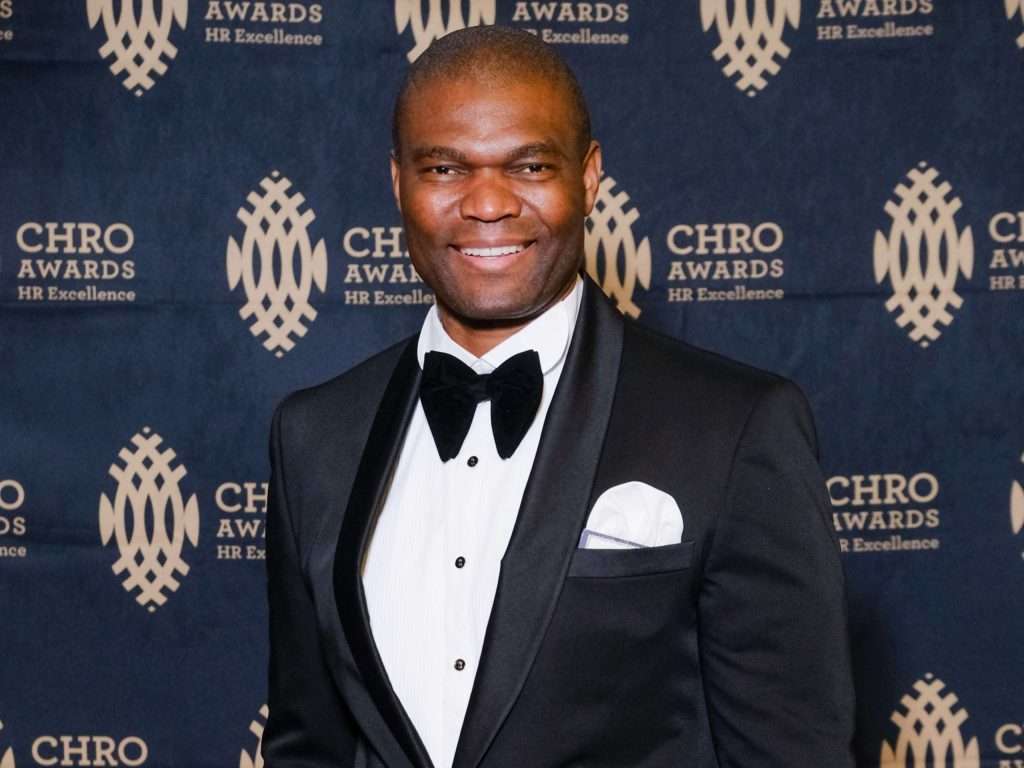
Microsoft has announced the appointment of Vukani Mngxati as CEO of Microsoft South Africa, effective 1 October 2025.
Vukani brings more than 25 years of experience to the role and will be responsible for leading the company’s operations in South Africa. His mandate includes driving strategic initiatives that support the country’s digital and artificial intelligence transformation journey. He succeeds Lillian Barnard, who has been appointed chief of enterprise partners for Microsoft Middle East and Africa.
“Stepping into this role in Microsoft South Africa is a deeply meaningful and proud moment for me. I am excited to continue the legacy and capitalise on the opportunity to help businesses across South Africa unlock their full potential through cloud and AI technologies. By harnessing the strength of our partner ecosystem and global best practices, we are not just driving competitiveness in South Africa, we are enabling real and sustainable impact,” Vukani says.
He previously served as CEO of Accenture South Africa, where he honed his experience with enterprise modernisation and strategic innovation.
Vukani holds a bachelor of commerce in information technology from the University of KwaZulu-Natal.