
As the digital revolution intensifies, South Africa’s top CIOs are looking beyond the tech and discussing whether the future of AI-powered systems lies in full automation or collaboration, with human oversight as the central pillar.
Hosted at the Johannesburg Marriott Hotel Melrose Arch, 2025 CIO Day brought together South Africa’s foremost ICT leaders to explore the transformative impact of AI on business. In breakaway room four, IT executives engaged in a high-level scenario session where they were divided into two groups tasked with debating the AI Showdown: Humans vs Machines.
As AI continues to reshape the digital landscape, ICT leaders are reflecting deeply on how to harmonise technological advancement with human values. It’s no longer just about systems and software, it’s about soft skills and emotional maturity.
At the heart of the conversation was the evolving relationship between humans and AI. Fully autonomous AI-powered systems have become more prevalent due to their ability to operate around the clock, efficiently handle repetitive tasks, and reduce operational costs. These benefits are set to be greatly enhanced as AI continues to evolve, offering even more ROI to businesses. Still, as the CIOs emphasised, human oversight remains essential for nuanced decision-making, particularly in high-stakes sectors like healthcare, where a slight misjudgement can mean the difference between life and death.
Enter the human-AI collaboration, which is often touted as the solution for ethical tech implementation. “The technological advancements brought about by AI are going to be accelerated and the way we use technology today will look vastly different to how it will look tomorrow,” explains Derren Naidoo, Southern African account manager at Hyland.
“We need to start conceptualising how machines are going to be working together with humans, not against them.”
Research shows that AI could displace a significant number of jobs worldwide, and as the fourth industrial revolution gets into full swing in South Africa, it’s essential to discuss what this means for employment in the country. According to Statistics South Africa, the country has an alarmingly high youth unemployment rate of over 46 percent.
The general sentiment among CIOs has been that as AI takes on more tasks, it becomes essential to reskill existing staff, promote adaptability and ensure no one is left behind.
Preparing for a shift in workplace trends
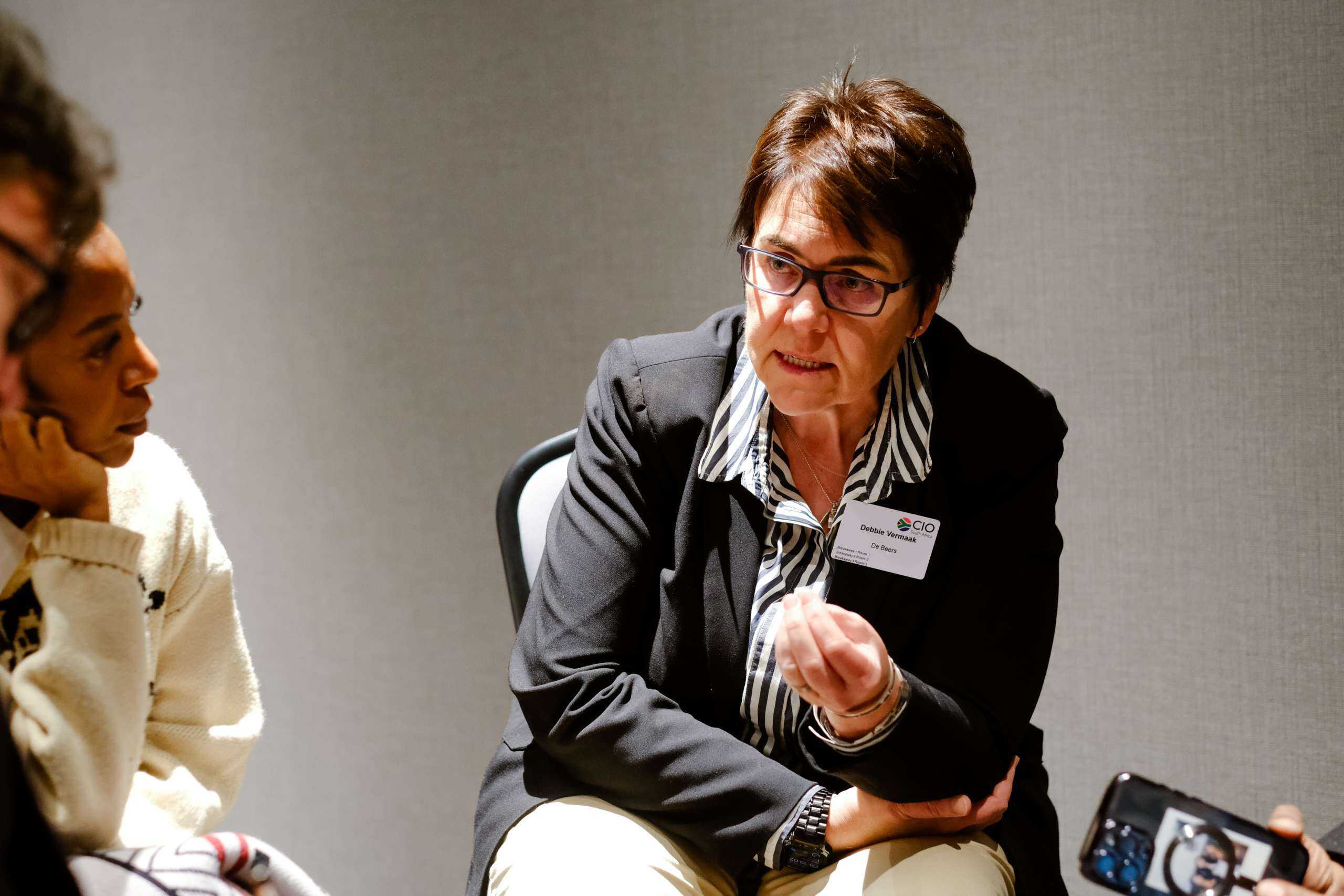
While human-AI collaboration is poised to fundamentally transform the way we work and do business, the true future of technology, according to Virgin Active IT director Ankit Shah, lies in demystifying it to help people understand its value and overcome the psychological barriers and fear that often accompany change.
“Human-AI collaboration works because humans have the capability to contextualise the data,” one attendee said. An additional benefit to this approach is that leveraging human creativity and AI sensibilities can lead to the development of innovative solutions that may have been impossible without the collaboration.
A key takeaway from many of the discussions held on the day is the need for human oversight when implementing and managing AI-powered systems. “Decision-making needs to remain in the domain of human beings, as AI governing AI could be unethical.”
CIOs are perfectly placed to create and implement clear AI governance frameworks and ethical use guidelines that can then be distilled throughout the exco and business. “IT leaders should be putting governance strategies and policies in place before the AI wave becomes even bigger, to ensure that users are not leveraging these tools irresponsibly and possibly sharing key IP on public domains,” Derren cautions.
How ICT leadership needs to change to adapt to the AI revolution
As the impact of technology becomes increasingly cross-functional, the role of the IT leader is also changing. In the past, much of the preparation for tech leadership was technical. CIOs must now focus on preparing people to lead humans and not just systems.
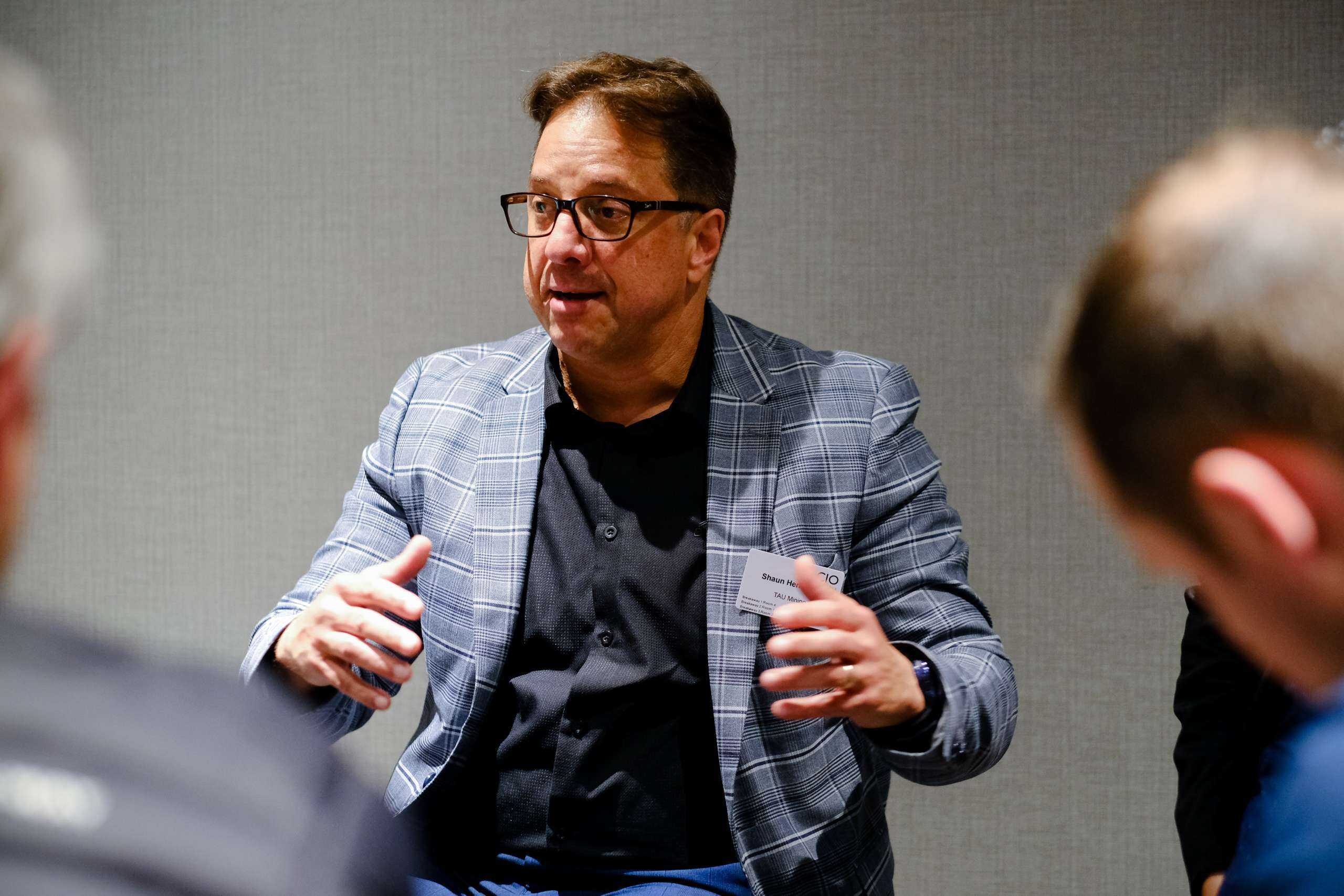
With this in mind, tech executives are leading the cultural change necessary to usher in the IT function of the future. “We’re seeing a shift from technical commands towards more emotional engineering in organisations,” explains Devan Reddy, vice president of IT at Toyota. It then becomes essential for CIOs to be emotionally intelligent, resilient and influential executives who lead engaged teams that can champion human-centric emotional design in an AI-driven world.
“In the past, your technical skills earned you a seat at the table, but I started my career as an engineer and gained business knowledge and now find myself as the head of IT. As technologists, we must be prepared to step out of the background and develop our people and communication skills,” Devan continues.
This shift has been essential to ensure that ICT leaders are preparing to take their rightful role as business leaders who can bring in the new era of digital transformation. Devan further notes that much of the impact of the ICT function depends on how IT leaders can leverage their soft power to influence their peers, whether it’s in sales, marketing, or finance.
The dominant emerging theme from CIOs is clear: human oversight is non-negotiable. While automation can increase efficiency, it must always be anchored in governance, ethics and strategy. As an attendee concluded, “You cannot divorce IT from business. Any AI solution must be rooted in solving a real business problem and that starts with people.”