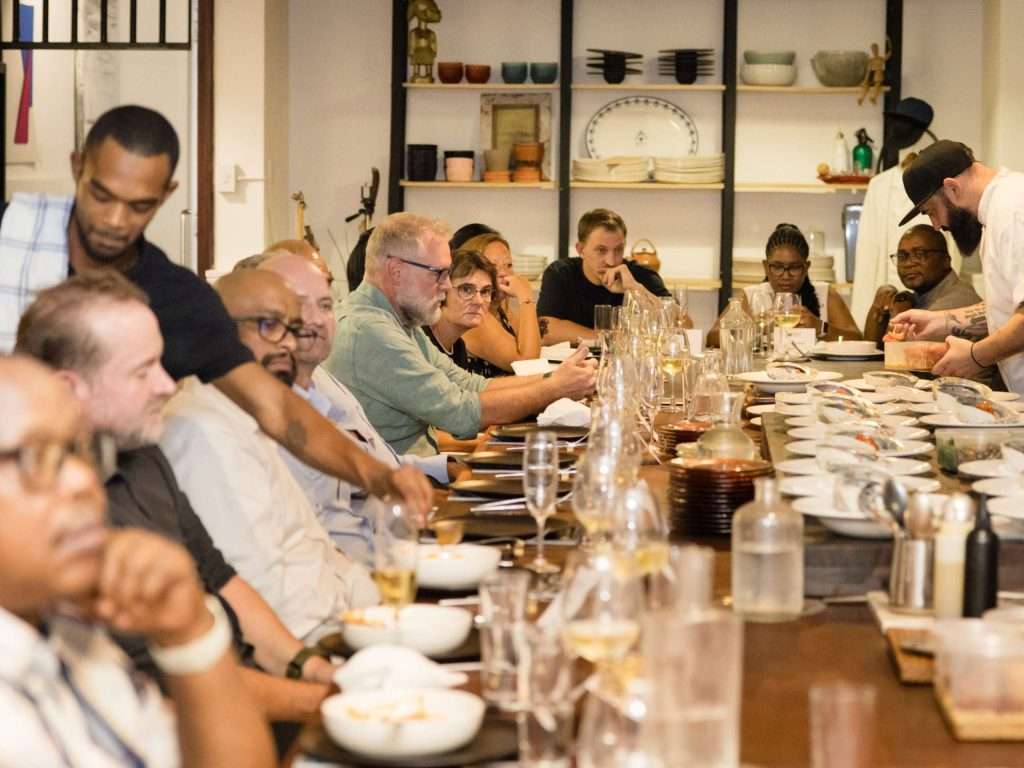
On 24 February, CIO South Africa hosted an exclusive dinner at The Chef’stable Cape Town, bringing together industry leaders for lively discussions on building and leading intelligent teams.
IT leaders from several industries gathered to explore how leadership, culture and talent are reshaping the CIO agenda as AI and automation accelerate. The dinner, supported by CIO South Africa’s principal partner Entelect, created a forum for candid discussion on the realities of building intelligent teams.
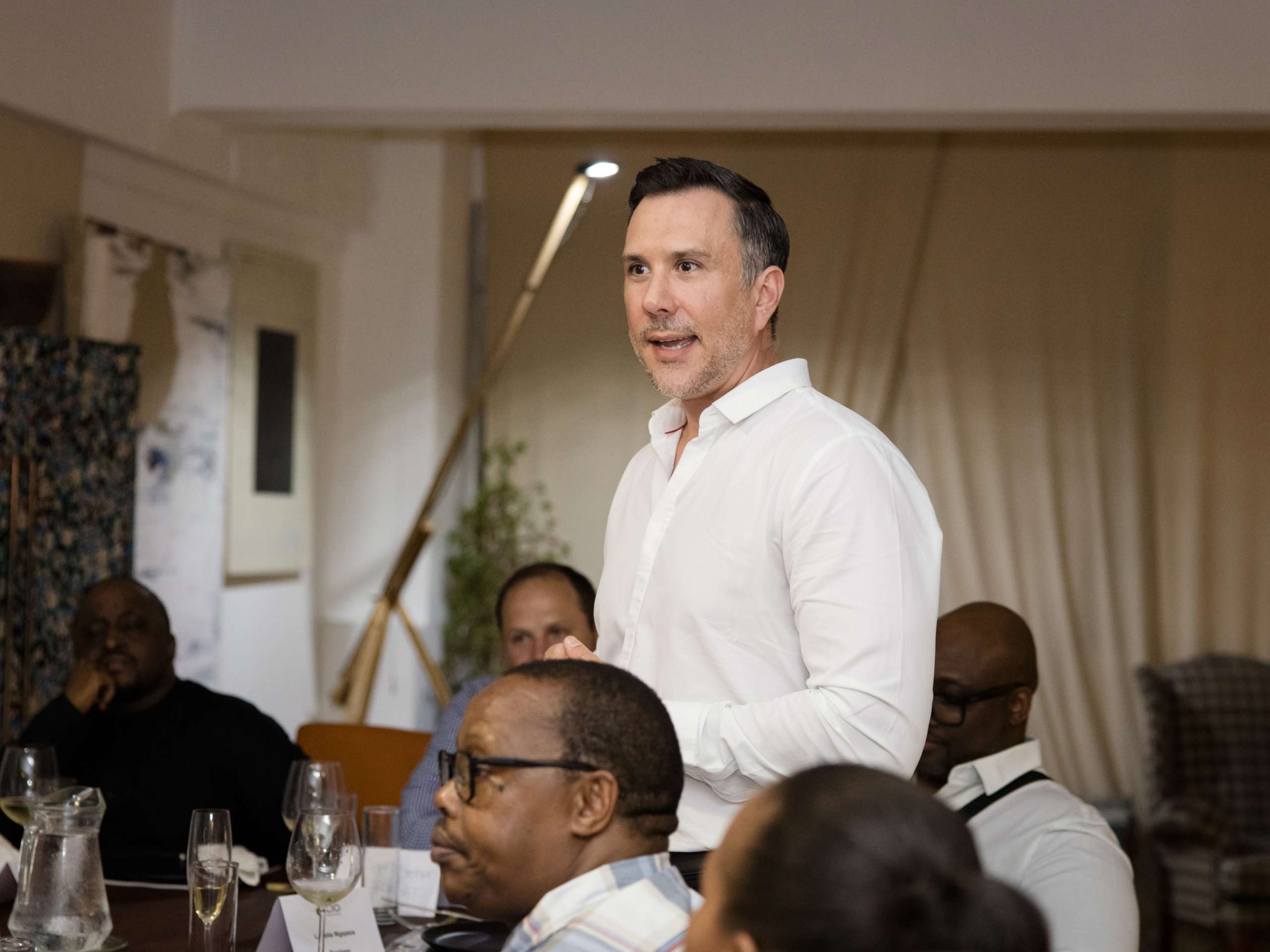
The seven-course experience, prepared by Michelin star chef Santi Louzan, began with icebreaker questions that quickly set a reflective tone. Asked what they missed about their first job, one attendee quipped that they missed having problems they could solve.
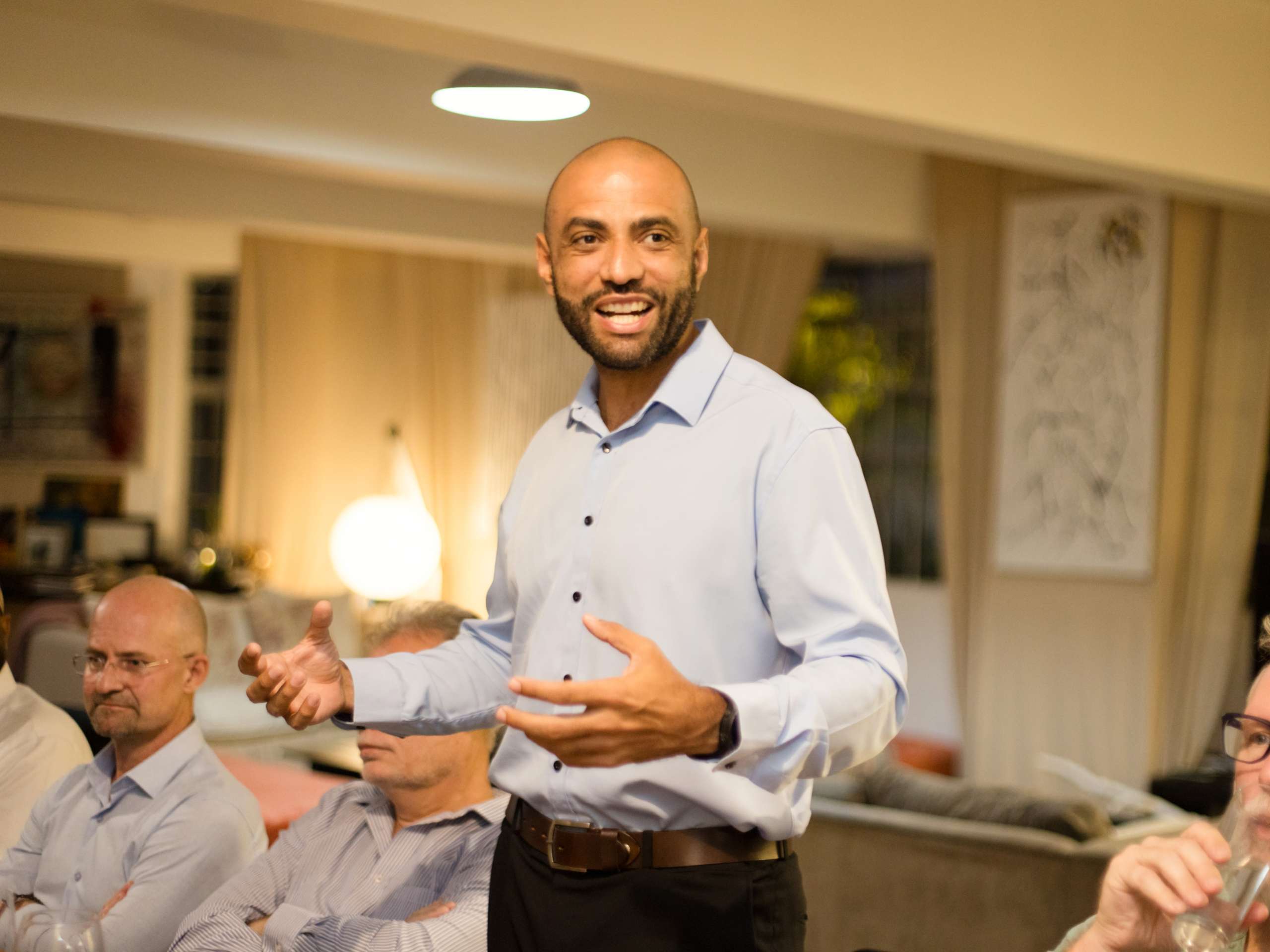
Another shared a lighter moment from a virtual meeting early in their career. After feeling uncomfortably warm during a Teams call, the attendee switched off their camera, or so they thought, and removed their top in full view of colleagues. “I only realised what had happened when my phone started buzzing. I worked quite hard to keep a straight face for the rest of the meeting,” they said laughing.
From fear to value creation
The conversation soon shifted to a more substantive theme, with one attendee recounting a discussion with a developer who strongly opposed supporting AI, citing concerns about job security.
“The biggest thing I took from that discussion is that when building intelligent teams, it’s essential to first drive a mindset shift and help people move from fear to thinking about how they can use AI to add value to their roles,” the attendee said.
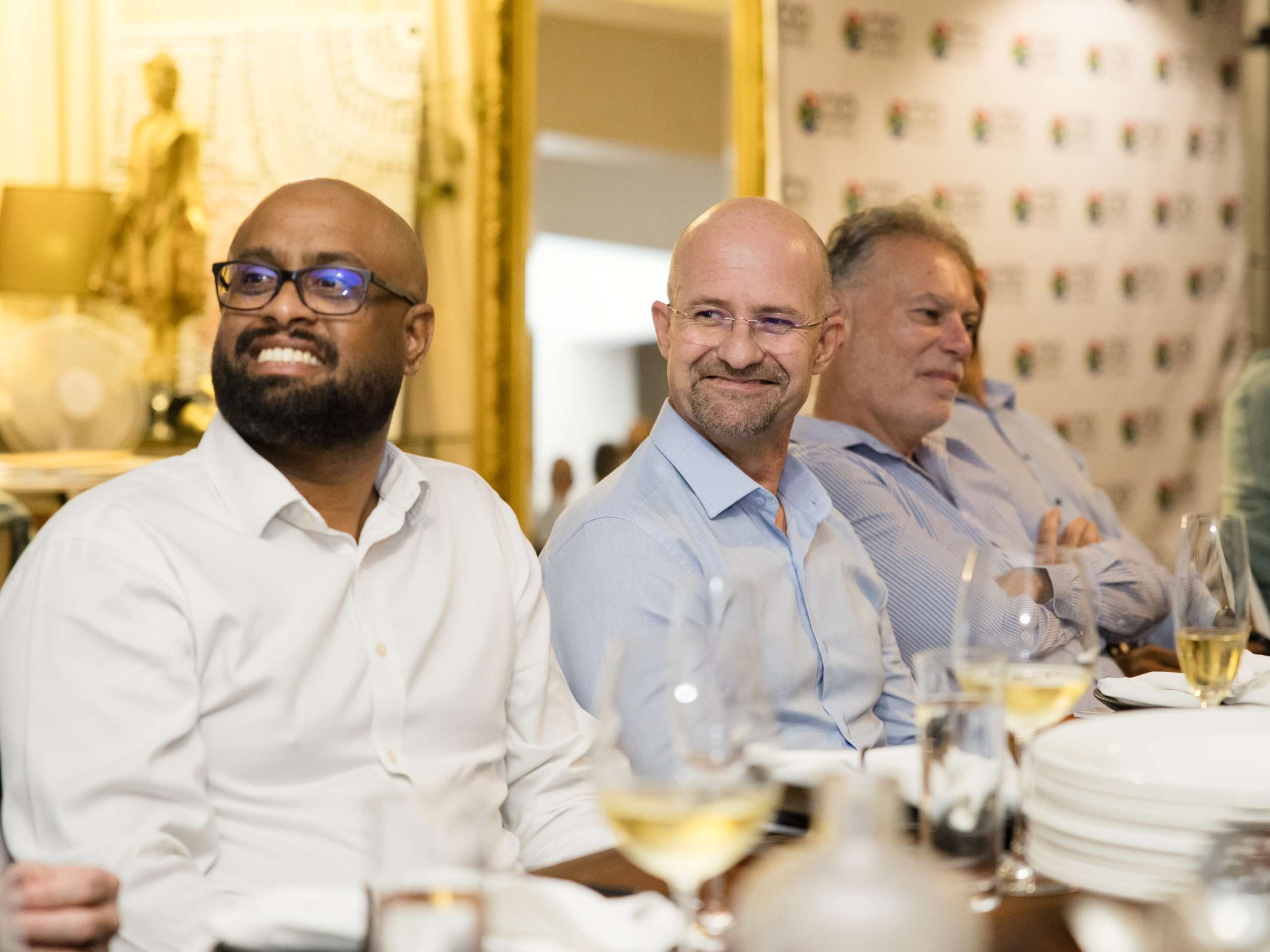
Another IT leader offered a practical approach his organisation had taken: structured AI education and training designed to build confidence. "We invited people in the business to become AI students and over 50 team members signed up. Now they are evangelists advocating for use cases that improve efficiencies in their different departments," he explained.
Balancing cost and capability
The conversation turned to the budget pressures many CIOs are navigating. One warned against implementing AI for its own sake, stressing the importance of extracting value from existing investments before chasing new ones. “The focus has shifted from less investment to more measurement of the investments we have already made,” he said.
Several leaders highlighted the foundational role of data standardisation. Without consistent and reliable data, intelligent workflows remain out of reach. “In my experience, data standardisation is essential for AI adoption. If your data is standardised, you will get similar results from different models,” one CIO shared.
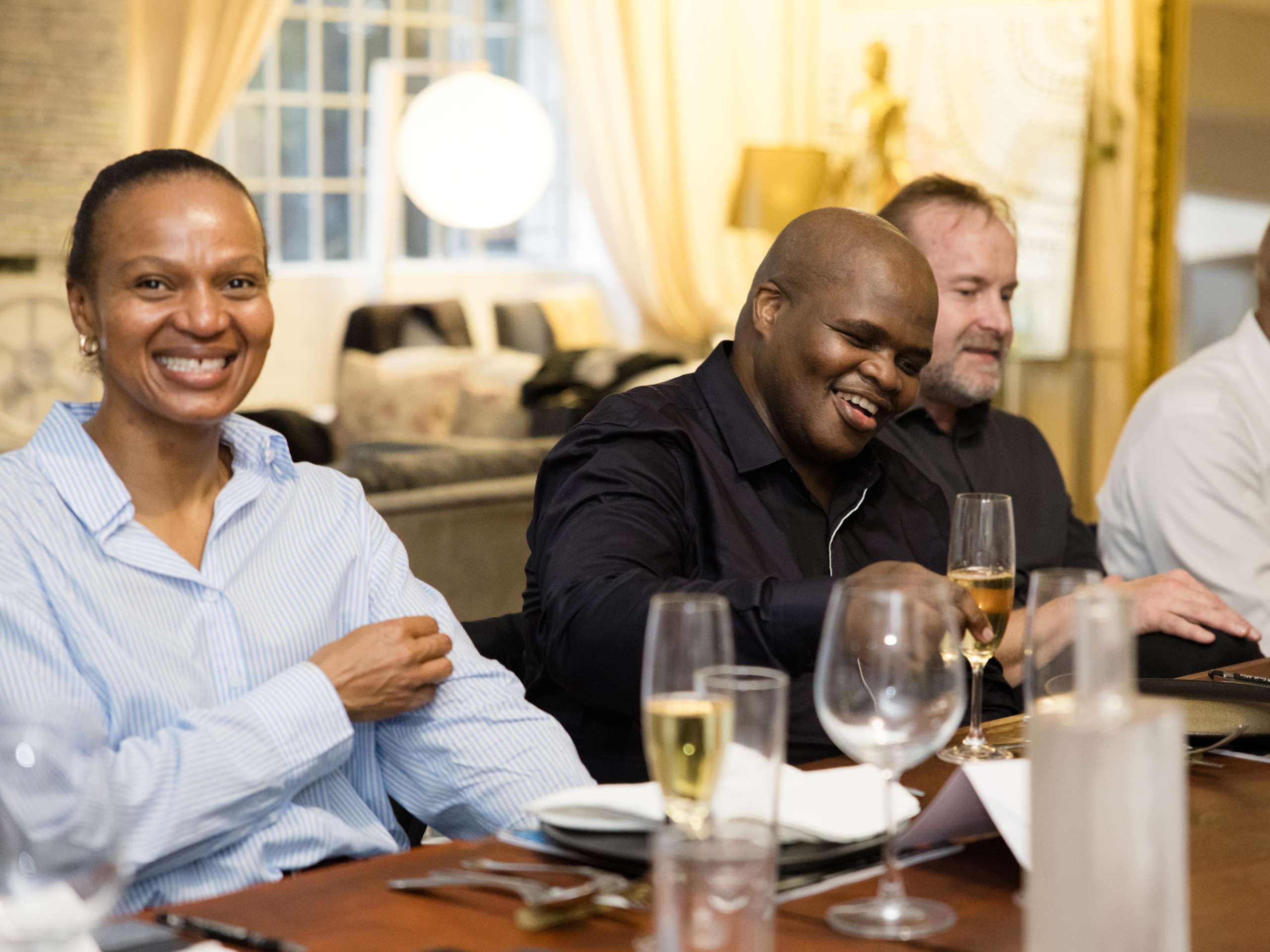
Not every leader in the room was battling an adoption challenge, with one attendee offering a unique perspective. “We do not have an adoption problem. We have too much of an adoption problem,” he explained.
His focus has been on enabling innovation within defined guardrails through sanctioned AI use. “I have told my developers that if they automate themselves out of a job, I will still pay them because they are worth their weight in gold.”
Defining intelligence before building it
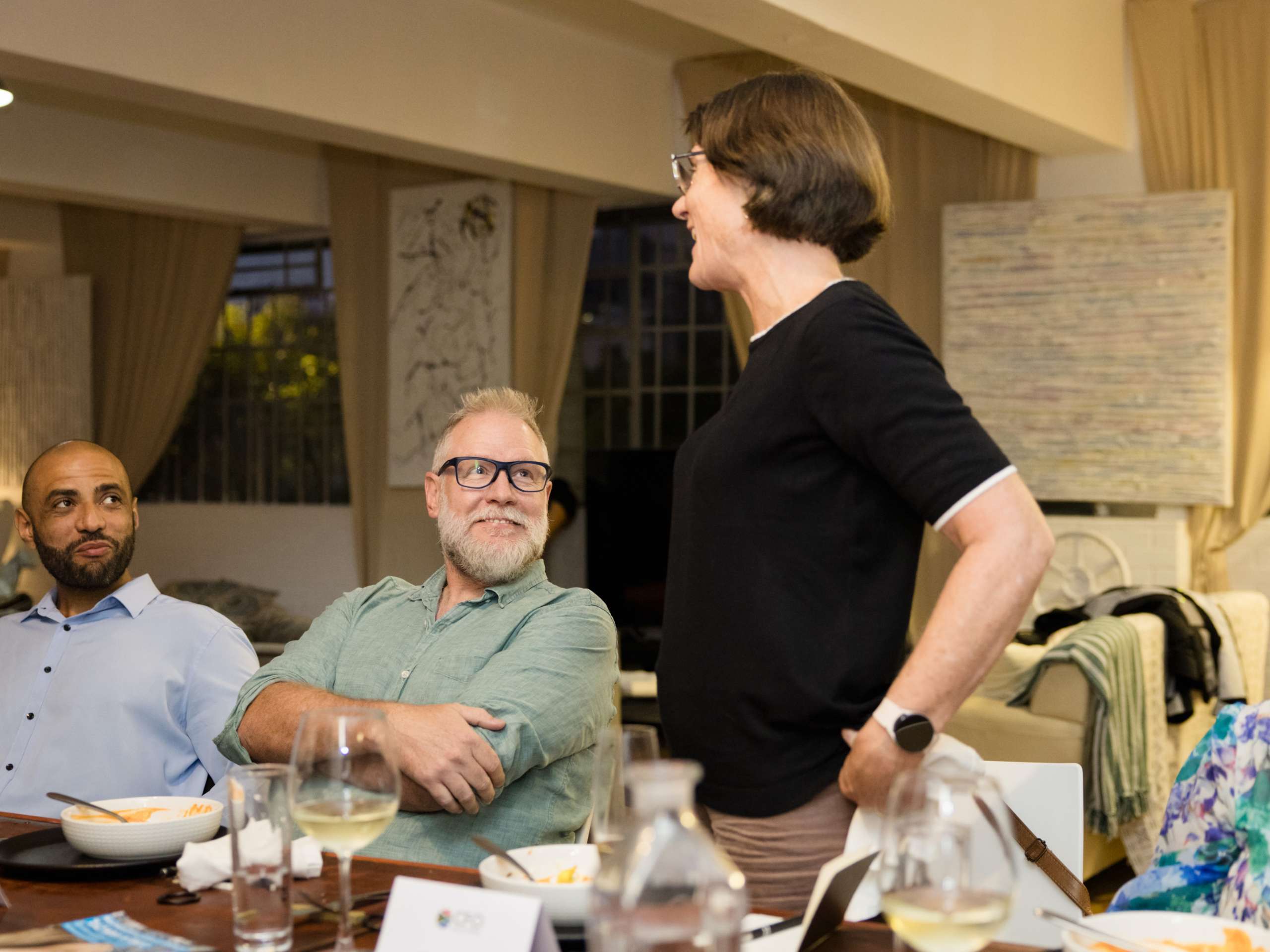
One attendee pushed the group to step back and define what an intelligent team actually means before discussing how to build one.
"Intelligent teams are not just about being tech-savvy and innovative. It's about social and emotional intelligence first. In my previous role, we partnered with HR to develop strength profiles for the IT team and identify how to energise them. I think this is the beginning of building an intelligent team."
From that foundation, she said, the leader’s role becomes driving a culture shift and championing innovation.
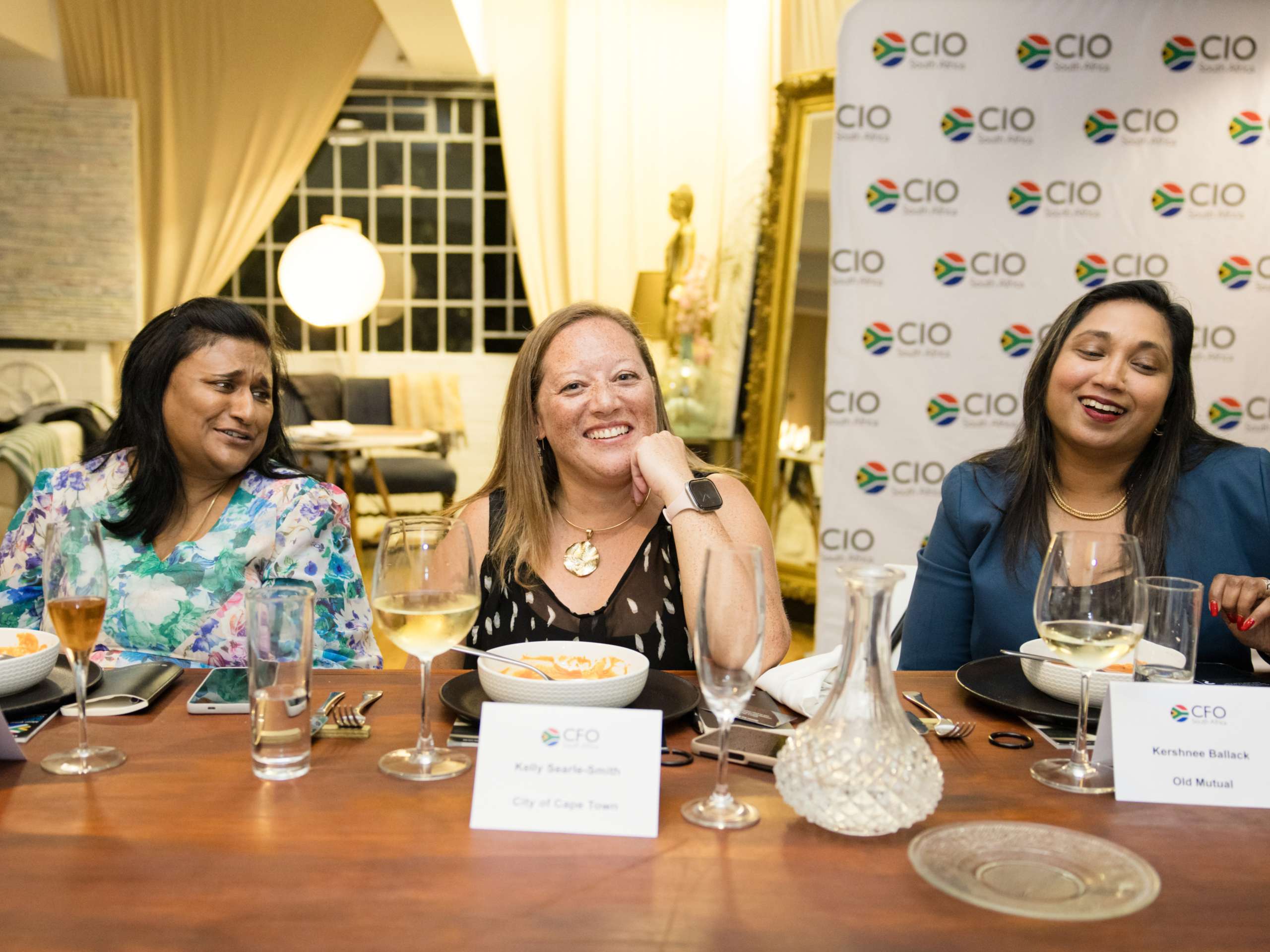
As the evening drew to a close, the consensus was clear: no single leader has all the answers. Building intelligent and representative teams requires intentional inclusion of diverse perspectives.
“If we get inclusion and diversity right, AI becomes a force multiplier and not a divider. The real opportunity is not just building intelligent systems, but building systems that reflect the diversity of the people they serve. If we intentionally bring youth into this conversation, not as users but as creators and decision-makers, we do not just future-proof technology, we future-proof society,” an IT chief said in closing.
Those in attendance were:
- Aveena Mothilall, director of data and analytics, Twinings
- Daniel Manyemwe, chief customer officer, Entelect
- Francois Swanepoel, CIO, Oceana
- Gerhard De Wet, CTO, JobJack
- Grace Pelo-Sithole, senior writer, CIO SA
- Kelly Searle-Smith, digital transformation programme manager, City of Cape Town
- Kershnee Ballack, technology executive: employee and workforce enablement, Old Mutual
- Kurt Yon, head of IT, Ecowize
- Lazola Ngqaza, CIO, Sanlam Connect
- Lisa Seymour, director of ICT, University of Cape Town
- Mark Tudor, CIO, Pick n Pay
- Pieter Stoker, head of data science and analytics, Afrimat
- Riaan van Niekerk, CIO, Coronation Fund Managers
- Sam Nkosi, CIO, Santam
- Simon Fishley, CIO, Luno
- Sungula Nkabinde, head of communities, Executive Communities
- Timothy Kroon, COO, Entelect
- Tebogo Molapisane, co-founder, Amathuba-Collective
- Zak Mbatha, CIO, SANPC
- Zanele Hala, acting CIO, PetroSA