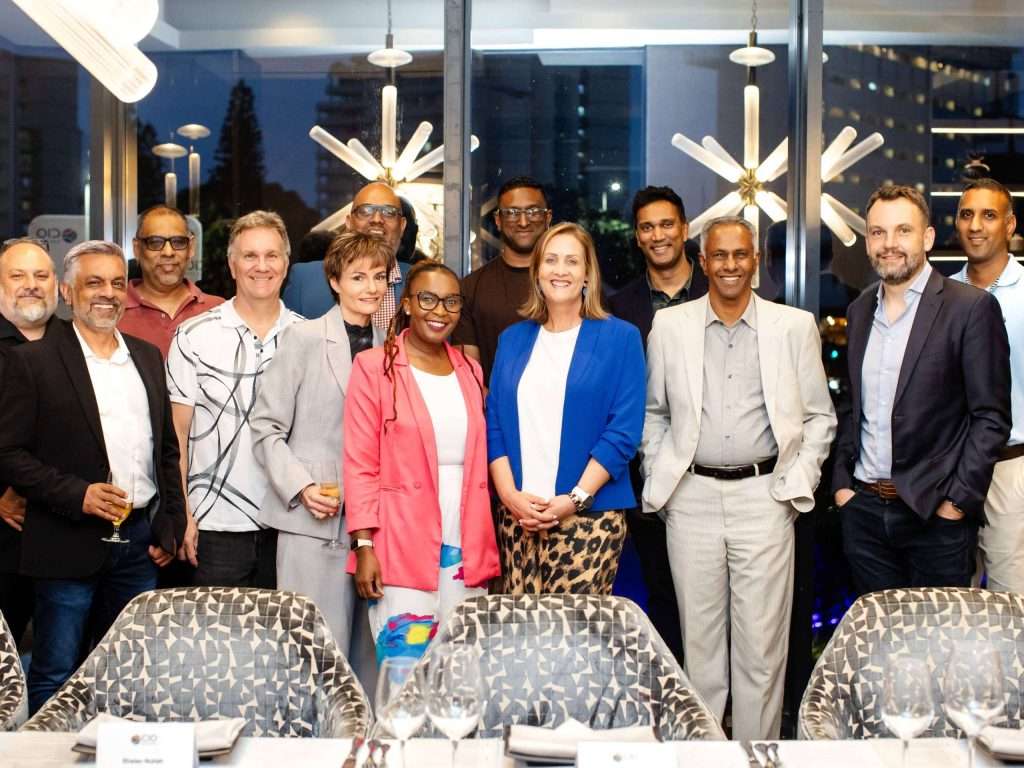
eThekwini did not disappoint, as IT leaders gathered en masse at Signature Restaurant, in Umhlanga to reflect on Africa’s AI future – no longer a distant conversation, but a vision being shaped by technology, data, talent and digital transformation.
The exclusive dinner in Durban included more than just cookies! Laughter, lively debate and honest opinions set the tone for South Africa’s top IT minds, looking at what was, and what is possible going forward into 2027.
Themed Digital Transformation and the building of Africa’s AI future the dinner kicked off with an ice-breaker, with individual questions for each attendee including creative excuses for missing a deadline or meeting; misconceptions about what the IT business means; what you would be outside of the tech space and interesting locations for business meetings!
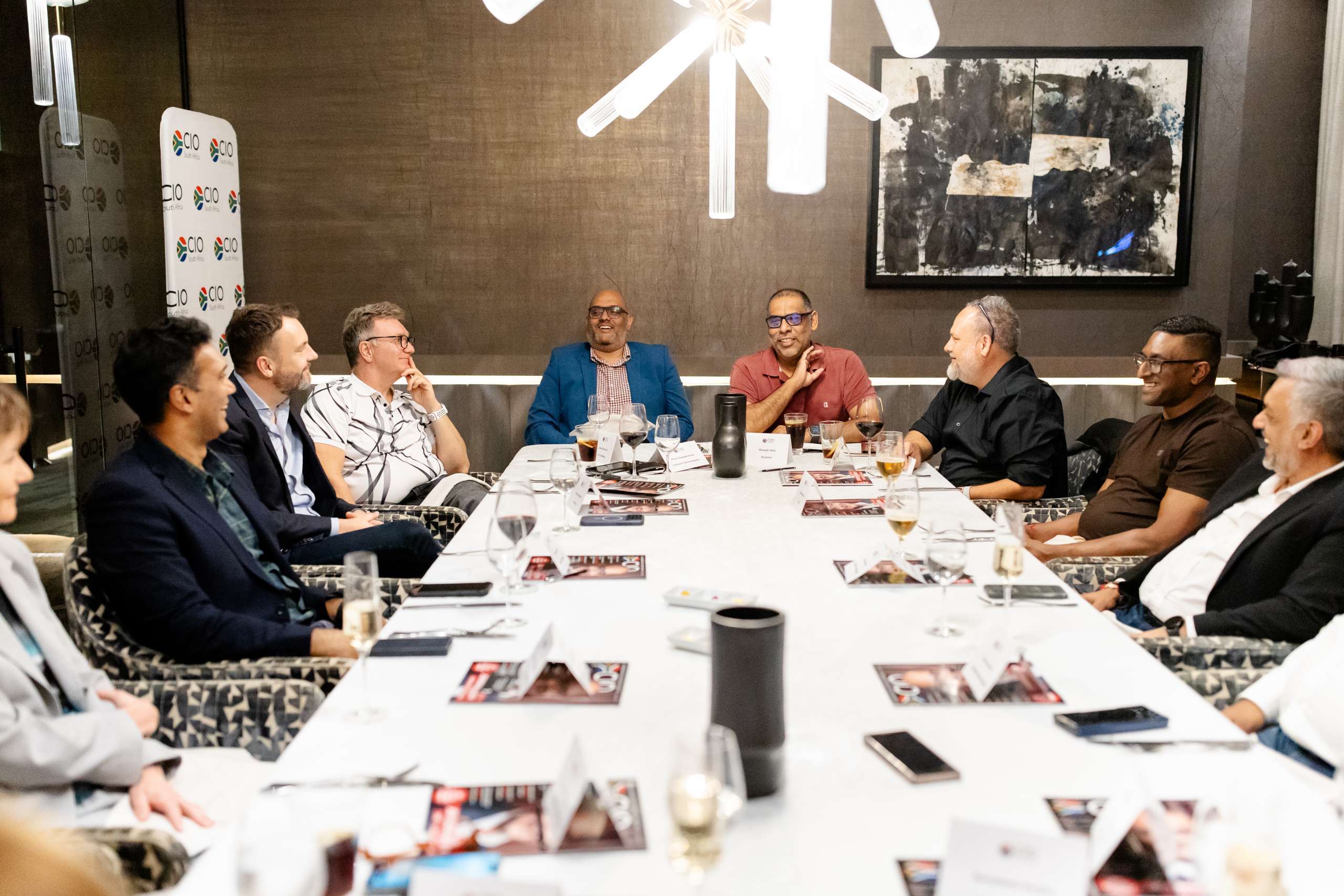
“I started in IT cos I didn’t want to talk to people,” one exec quipped to one of the questions, a response met with peals of laughter; while another exec expressed a hankering for being a fiction writer. Asked what their office theme song would be, another quick retort was “Red, red wine”.
With the ice broken, and introductions done, the conversation quickly got down to the main act, the digital transformation and the building of Africa’s AI future. Attendees were given ‘homework’, in the form of three questions they could choose from: where does your organisation stand on AI readiness; where has AI delivered/failed to deliver real business value for you and what will it take for AI to work for your African markets and customers?
“So we actually started our journey in 2025 already with some basic awareness and what we have with governance, from where we’ve deployed co-pilot chat to everyone. And we’ve done a lot of awareness sessions, trying to show people the hacks and so on and then we started to improve some of the premium users,” one attendee responded, adding that the organisation had put a lot of structured initiatives in place and rolled out what they call their AI studio or AI governance platform.
Staying AI positive
Attendees also touched on licensing issues within the AI framework – and the importance of keeping costs in check. “At one stage I was doing a three and a half million rand Azure invoice per month. You realise this is not going to work out and you have to start getting finance people in to just watch what is happening there. You have to start clamping down,” another exec remarked.
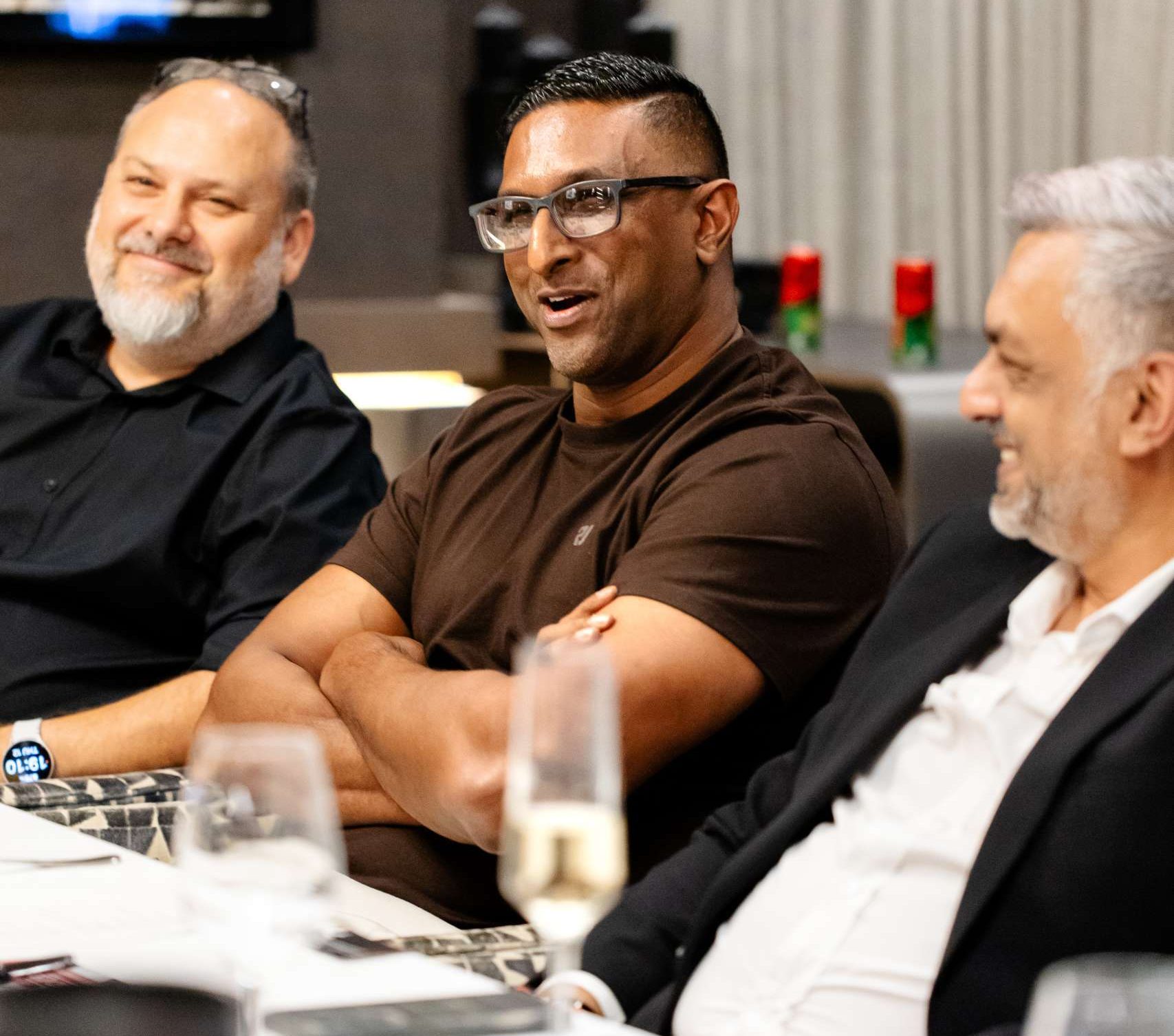
The conversation then moved on to AI regulations within various markets.
“If you look at the EU regulations around AI as an example, we had to build that into our AI policy… actually because it's the most stringent. So we’re actually using the harshest sort of international regulations [as a benchmark],” one of the execs added.
“We are very AI positive which is great from exco down. We're trying to use AI to the maximum because we're trying to lead rather than follow, because our science leads rather than follows, right? So AI affords us to be ahead of the pack if we use it ethically and correctly. So we are trying really hard to make that happen and we’ve decided as an organisation to go with open AI and ChatGPT um on our science side and co-pilot on our business side of the organisation,” another exec said.
“Why ChatGPT? It's a good question and it's a difficult answer. You have to trust somebody. Right now, everybody around the table probably trusts Microsoft. Either you're going to continue trusting Microsoft or you're going to trust somebody else. In our case, we're trusting Open AI and we bought into their full enterprise package,” he added.
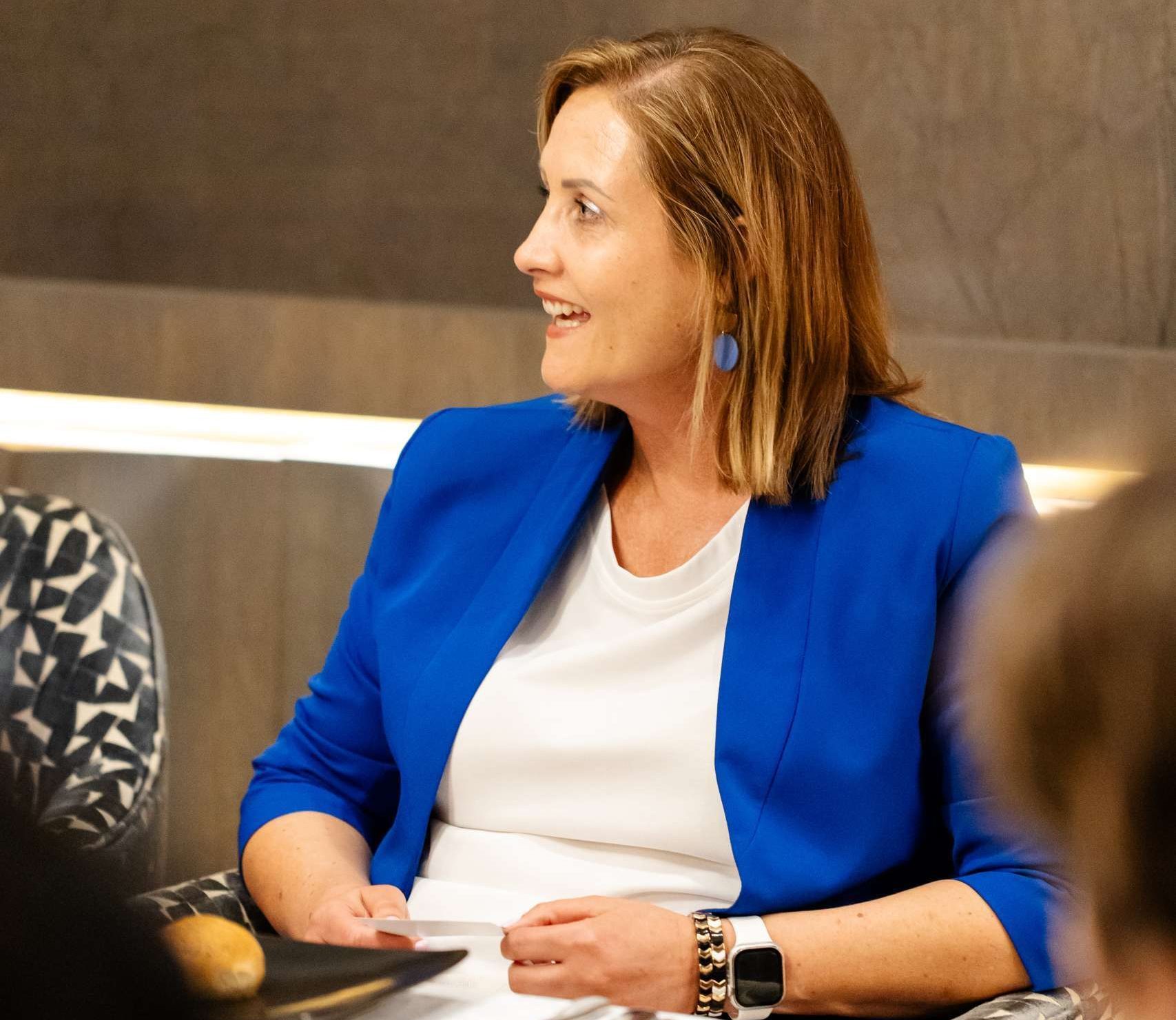
All about the journey
Company policy guiding AI usage was also a talking point. “You are accountable for the quality of the work you produce. The AI is just a tool. If it hallucinates, it’s on you,” one attendee noted. “You cannot abscond accountability and responsibility.”
Nothing was off the table, including using AI in crime prevention, to monitor crime patterns and speeding even, as well as using facial recognition as a tracking mechanism – a thread that got quite hot under the collar.
“The basics are the most important thing,” one exec stressed. “If your foundation is weak, forget about data and AI and all those other things. I think there's enough knowledge, there's enough money and there's enough of everything that we need, we need the world, we need the strategy and we need to do it.”
All things considered, the overall consensus among attendees was that AI is a journey – and one that will just keep expanding.
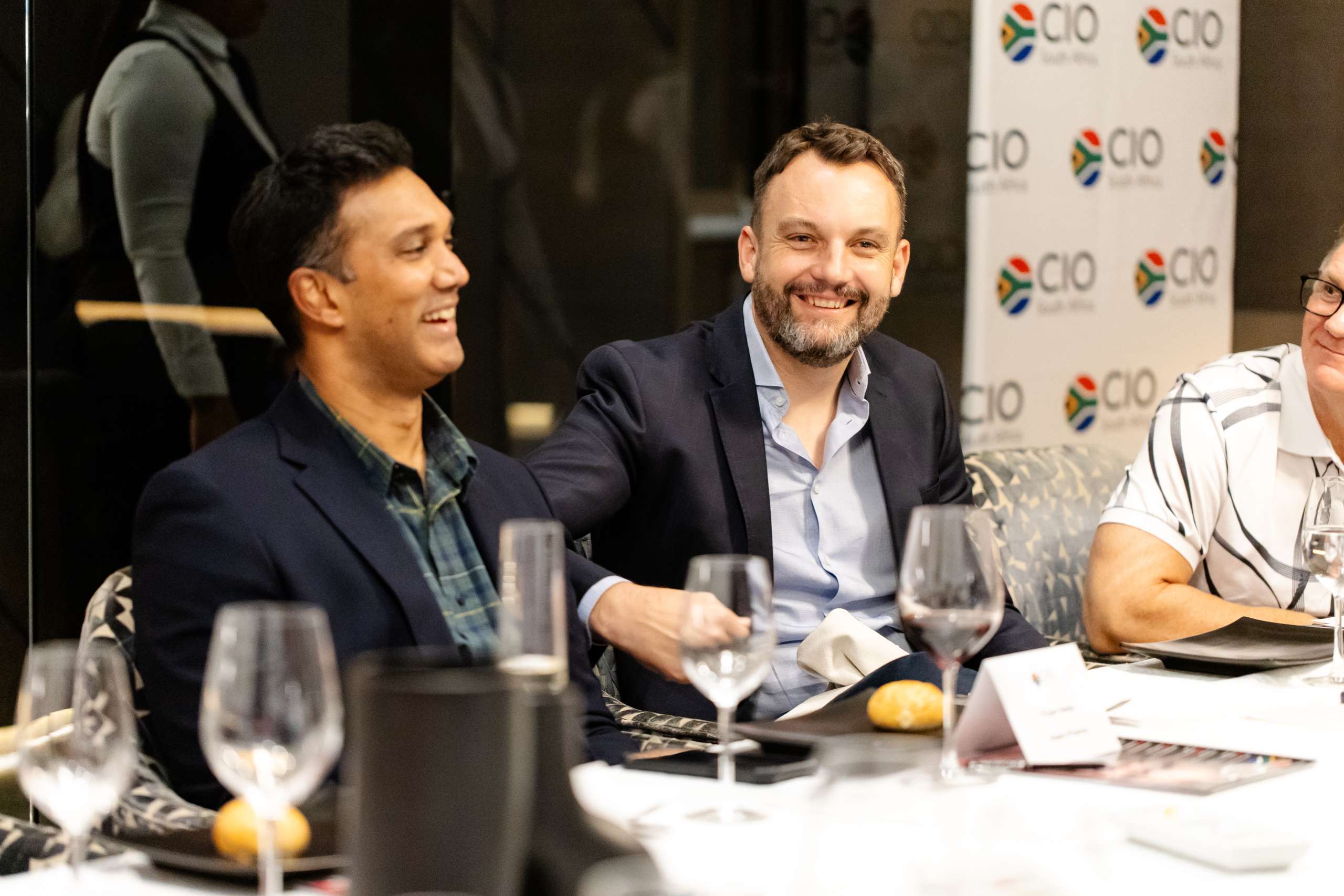
Those in attendance were:
Amanda Strydom, group IT executive, Aspen Pharma
Eugene van der Lingen, CIO, Africa Health Research Institute
Greg Premlall, Cassava Technologies
Kim Sim, CIO, Mr Price Group
Lukas Barnard, CIO, a Yoh Holdings
Nivar Gayapenshad, Cassava Technologies
Nomahlubi Sonjica, CIO South Africa
Priyen Naidu, head of IT, Aspen Pharma
Ruban Naidoo, head of IT, eThekwini Municipality
Servesan Moodley, group IT manager, Busamed
Shalan Nulia, group ICT manage, JMH
Shueyb Vally, head of IT, Hulamin
Simon Bradshaw, IT director, Mr Price
Ziaad Suleman, CEO, Cassava Technologies