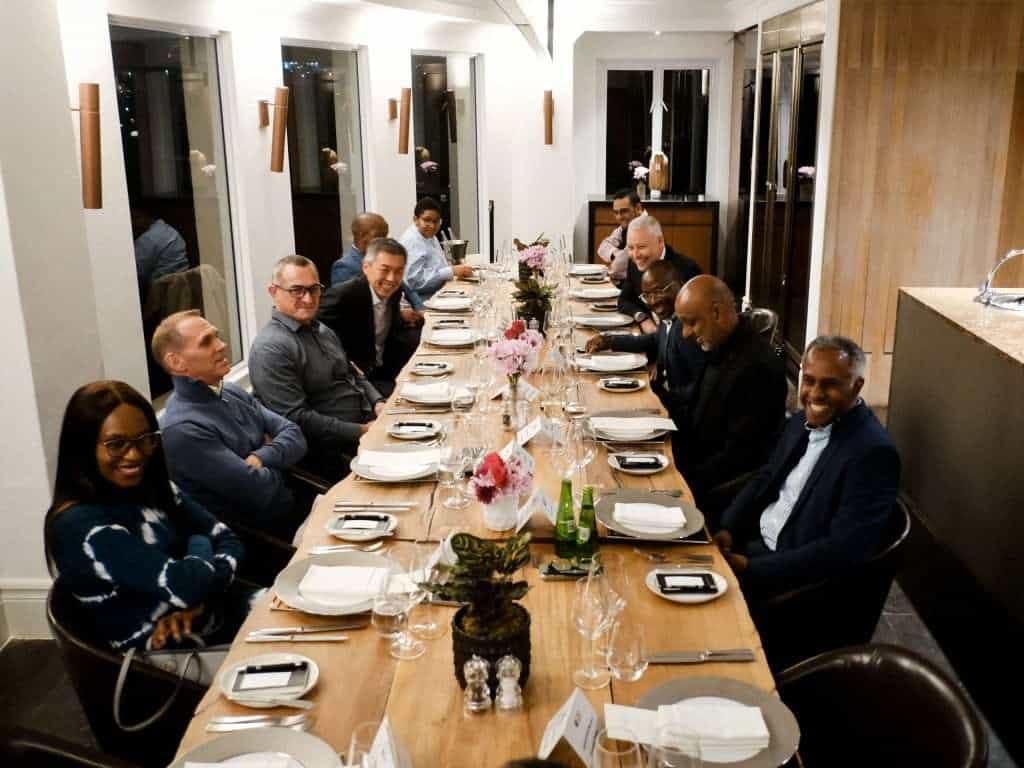
On 13 August, CIO South Africa convened a select group of IT leaders for an intimate dinner at the Four Seasons Hotel The Westcliff for robust discussion and futures thinking on scaling AI across enterprises.
Top CIOs from diverse industries explored differences between automation and genuine generative AI use cases and examined how people will fit into a future shaped by scalable AI at the dinner, which was supported by CIO South Africa principal partner Cassava Technologies.

The dinner began with traditional icebreaker questions. Asked who they would swap roles with for a day and why, one guest said, “I would love to get into my assistant’s brain and find out how she does what she does. I think it will help me have a greater appreciation for how she makes my life better.” Another guest named his ‘simple cellphone’ as his best tech investment.
A third shared an amusing anecdote about the most unique place he’s ever had a business meeting: “I was travelling to India with my colleagues, whom I had lost in the madness of going through airport security. I heard someone call my name just after I went through airport security and was putting my shoes and belt back on and this person said they had sent me a proposal. We had an impromptu business meeting about the proposal right there, which unfortunately never came to pass.”
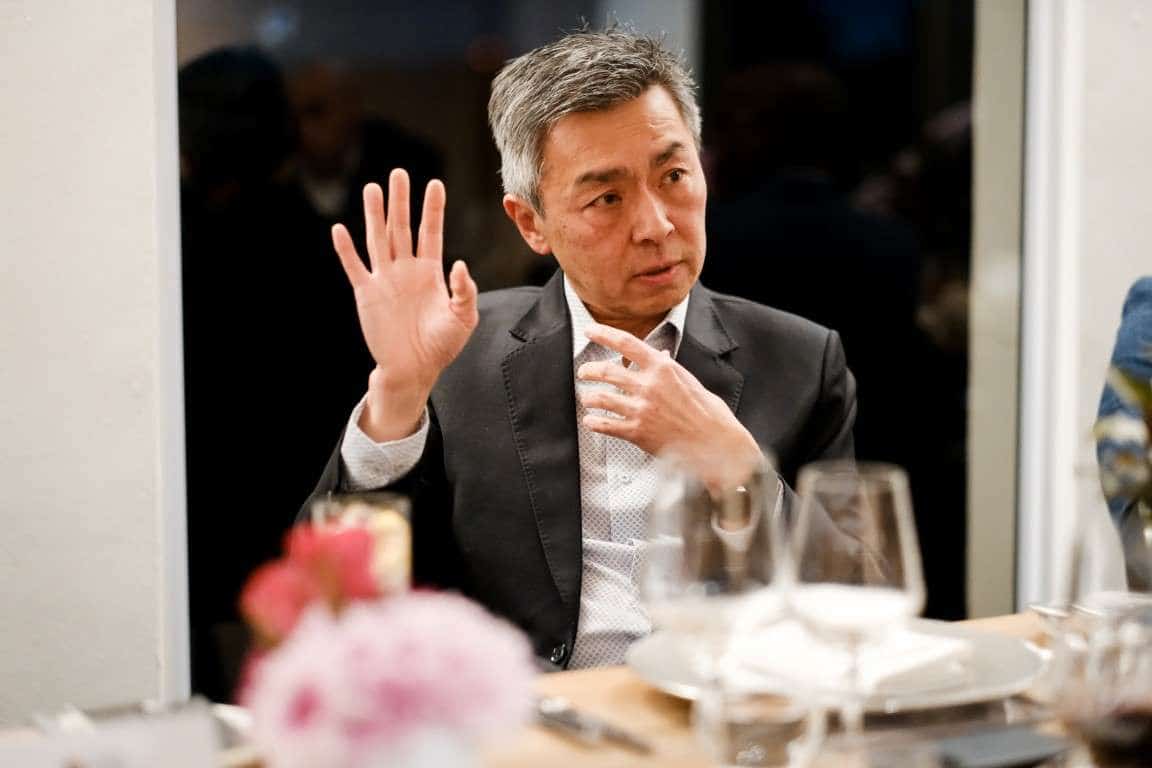
Data is the backbone of AI innovation
One CIO opened the main discussion with a reflection on an internal AI initiative. In their excitement for GenAI, he and his team took about 12 months generating 48 potential use cases. They presented five to business and only secured interest in two.
“Our data was just not where it should have been and that is why we only managed to get two out of the 48 use cases through the line. You can have the most powerful AI tool but if your data is not ready, it won’t work,” he said.

While another CIO stressed the importance of staff buy-in. “There is a real fear amongst people about AI and automation and how it will affect their employment and future employability.”
She shared a case study on building an automated end-to-end workbench requiring only two humans in the loop. “I brought my people along on every step of the journey and showed them how this tool could improve their productivity and efficiency and now they are the change agents evangelising its use throughout the organisation.”
Several attendees echoed the sentiments that scaling AI will require both data readiness and deliberate change management. “I’ve realised that most people in business and the users don’t trust technology yet and that’s what we fundamentally need to start working on changing,” another IT leader noted.

Approaches to AI adoption
An attendee described the three-pronged AI strategy his organisation, which has fewer resources, is adopting. “Once GenAI had become part of the zeitgeist, we realised that cybersecurity was going to be an issue so we selfishly came up with use cases that would bolster our cyber resilience first,” he said.
The company then enabled actuaries to use AI to enhance statistical analyses and benefits design. The final step was a consumer-facing initiative inviting staff to propose AI-solvable business problems. “This has empowered people in the business to become change agents and AI adopters themselves.”

Another attendee adopted a gradual approach. “We did not make any upfront investments in AI. We simply began with introducing Microsoft’s Copilot Chat and we used it as a conduit for implementing AI by selecting and training super users based on people’s use and competence and that’s how we took off.”
The scalability challenge was also raised, with one CIO observing that only one to two percent of organisations worldwide have successfully scaled AI. This prompted the question, “How much of your AI is realised in your income statement?”
“You need to find the use cases that almost immediately impact business in terms of increased efficiency and customer service,” another attendee responded, noting that multi-year technology ROI timelines can be difficult for business to support.
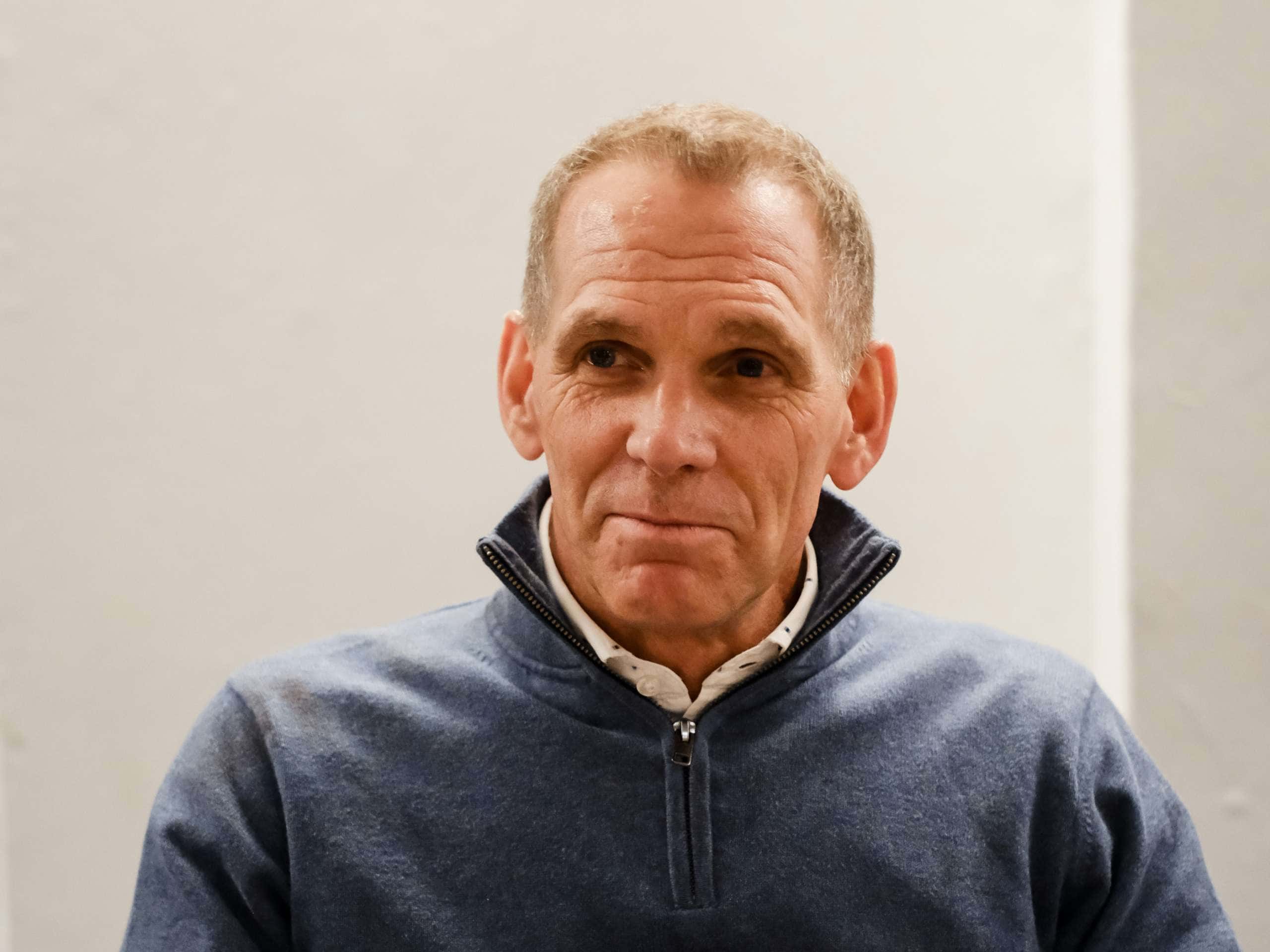
Where does regulation fit in?
Governance and regulation emerged as another key theme, with many IT leaders finding it difficult to balance the need for regulation with innovation.
One CIO shared that an internal survey showed a gap between employee AI use and managers’ perceptions. “We found that it was essential to create psychological safety around admitting to AI use in the workplace. If someone you’re sitting next to freely admits to improving their efficiency using a particular AI tool, it’s more likely that knowledge will be shared throughout the team,” he said.

Regulating AI from a policy perspective was also an essential consideration for the IT leaders. Some attendees supported policy requirements to keep humans in the loop for certain automations like self-driving cars, while others felt regulation could stifle innovation.
As the evening concluded, the IT chiefs agreed that while AI is currently hyped and difficult to scale, it will drive one of the most significant shifts in history. “In my organisation, we have introduced a change curriculum that mandates AI training for all our employees because we recognise the impact it will have,” one CIO said.
Those in attendance were:
- Abdul Kajee, Deloitte.Co, CTO
- Adrian Sing, Bestmed IT executive
- Ashley Mtetwa, Tracker head of IT
- Boyd Chislett, Liquid Intelligent Technologies South Africa chief business officer
- Bramley Maetsa, Sasol head of delivery enablement
- Grace Pelo-Sithole, CIO South Africa senior writer
- Hein Badenhorst, Cassava Technologies head of commercial AI
- Jörg Fischer, Standard Bank Group CIO
- Nomahlubi Sonjica, CIO South Africa community manager
- Portia Matsena, Nedbank divisional executive: Hyper automation
- Pragasen Pather, Sun International CIO
- Shirley Shunmugam, Absa campus and branch networks manager
- Siphamandla Masuku, Discovery Vitality CDO
- Ziaad Suleman, Cassava Technologies CEO