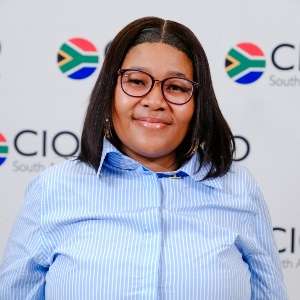
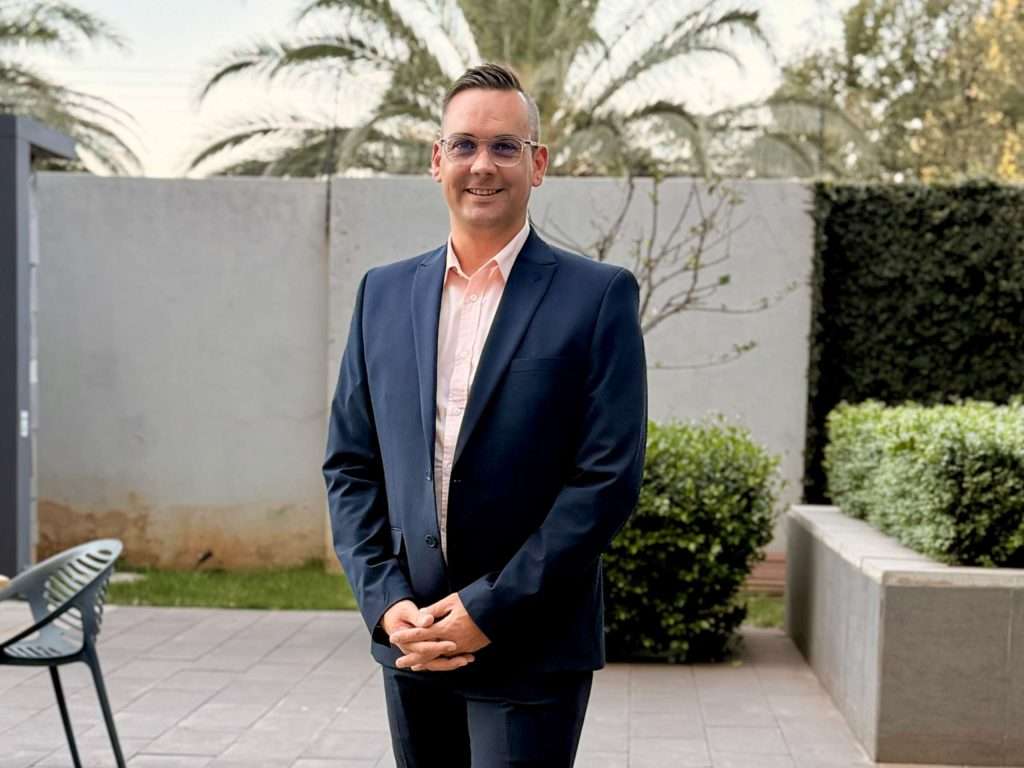
Sahann Van der Vyver, CIO at Two Mountains Group, is a leader whose faith and values extend well beyond the boardroom. His charitable work is anchored in a conviction that every person carries inherent worth – and that leadership is ultimately an act of service.
From riding the Absa Cape Epic in support of breast cancer awareness to preparing for a Muskathlon with Brave to Love, Sahann Van der Vyver channels endurance and purpose into platforms for community impact.

Q: What cause or community issue are you most personally committed to, and what originally drew you to it?
A: At the core, I’m committed to causes that restore dignity and bring hope, particularly where people are vulnerable or overlooked. My Christian faith shapes that conviction; it continually reminds me that leadership is ultimately about service, and that every person carries inherent worth. What originally drew me in was seeing how compassion, when paired with action, can genuinely change lives rather than just momentarily ease a problem.
Q: How does your charitable work intersect with your role as CIO, if at all?
A: While I’m intentional about keeping my professional role and charitable work appropriately separated, they intersect at the level of values and mindset. As a CIO, I’m focused on enablement, stewardship and building systems that last. My faith reinforces that sense of responsibility, not just to deliver outcomes, but to use influence wisely and ethically, whether in business or in the community.
Q: Can you share a specific initiative or moment where you saw your efforts create tangible impact?
A: Partnering with ILoveBoobies at the 2025 Absa Cape Epic was deeply personal. The physical challenge of the race created space for reflection, prayer and purpose, while the partnership itself helped raise awareness and funds for breast cancer education and support. Knowing that the pain of the ride was contributing to real help for real people made the experience profoundly meaningful.
Q: How do you engage your IT organisation or broader company in giving back?
A: I try to lead by example and invite, rather than instruct, people to participate. I share the stories behind the causes and why they matter to me personally. When people see authenticity and purpose, especially when it’s grounded in values, they’re far more likely to engage in a way that’s sincere and lasting.
Q: What leadership lessons have you learnt through nonprofit or community service that translate into the workplace?
A: Community work has reinforced the importance of humility, listening and trust. It has also reminded me that real leadership often happens quietly, without recognition. My faith continually challenges me to lead with compassion and patience, qualities that are just as essential in the boardroom as they are in community spaces.
Q: How do you evaluate which causes or organisations to support amid competing demands on your time?
A: I look for alignment between faith, values and impact. I’m drawn to organisations that demonstrate integrity, accountability and a genuine commitment to long-term change. Prayer and reflection also play a role in those decisions; it’s important to me that involvement feels purposeful, not rushed or performative.
Q: What challenges have you encountered in your philanthropic work, and how have you navigated them?
A: One of the biggest challenges is recognising that good intentions aren’t enough. Sustainable impact takes time, partnership and sometimes restraint. I’ve learnt to trust organisations with deep local insight and to remain teachable, accepting that meaningful change is often slower and more complex than expected.
Q: How are you leveraging your professional skills in technology, data, or digital tools to advance your charitable initiatives?
A: Where appropriate, I support organisations by helping them think more clearly about data, digital communication and operational structure. Often it’s not about sophisticated technology, but about using the right tools well, so that their message is clearer, their impact more visible and their resources stewarded wisely.
Q: What advice would you give other CIOs who want to become more involved in community impact but aren’t sure where to start?
A: Start small and start with the heart. Choose something that resonates personally and aligns with your values. You don’t need to have all the answers, just a willingness to show up consistently. When purpose leads, clarity tends to follow.
Q: Looking ahead, what impact do you hope to make through your charitable work over the next few years?
A: Looking ahead, I’m planning to participate in a Muskathlon in partnership with Brave to Love, an initiative focused on protecting vulnerable children and restoring dignity in broken communities. My hope is to continue using endurance challenges not for personal achievement, but as a platform to serve, raise awareness and point people towards hope, both practically and spiritually.