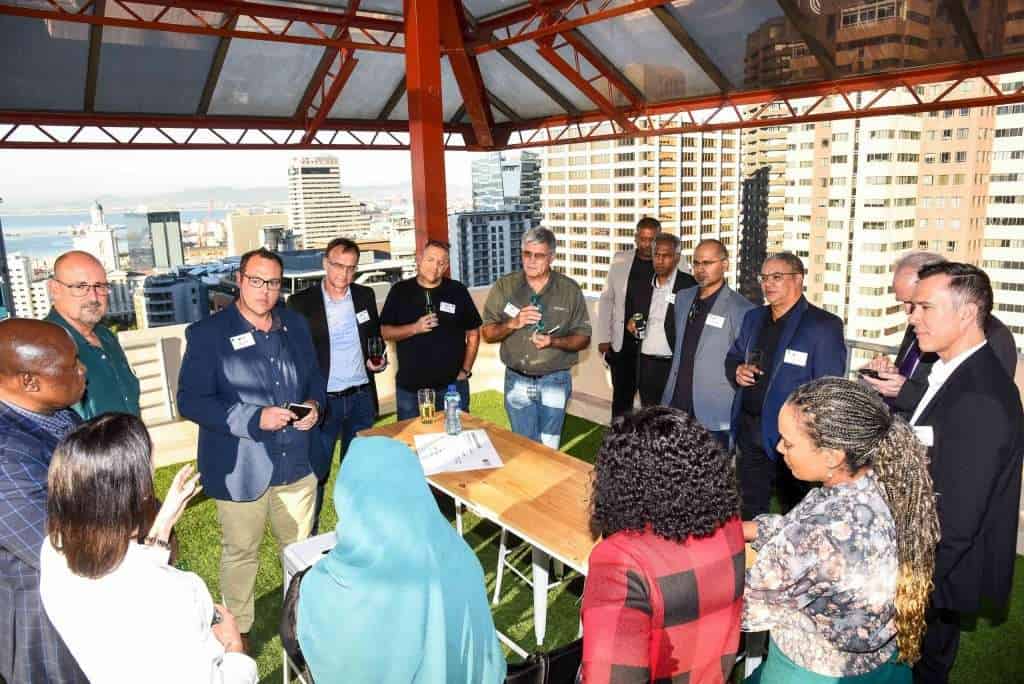
At the CIO South Africa Summit in Cape Town on 10 April, IT leaders unpacked the nuances of modernising legacy systems. The CIOs said that transforming legacy systems requires careful attention to the speed of the transformation and people management – beyond just looking at the technology.
IT leaders gathered at 180 Lounger in the Mother City, to take a deep dive into the complex, yet rewarding journey of modernising legacy systems.
For a change of pace, instead of guests being escorted into the venue, they were directed to the venue's rooftop terrace with unparalleled views of the city skyline. Themed Magic Mechanics, the evening kicked off with an interactive session where IT leaders were divided into groups to tackle legacy system conundrums. In one group, CIOs reflected on how they and their IT teams navigated resistance to change concerning legacy systems.
“Tech people are always involved in change but when they have to change themselves they often struggle with it,” Shoprite group CTO Chris Shortt pointed out.
Mustek’s group data and technology executive, Juan-Paul Gough added that change can’t be forced onto people or the users. Rather, consider how that change process will make people’s lives easier, perhaps that could manage anxieties, Chris suggested.
For Mo Kola, CTO at The Foschini Group (TFG), having strong business ownership in the change process from the top, the CEO is a good way to start.

Embracing change rather than resisting it
With all aspects considered in the change process, attendees headed inside the venue for the interactive session debrief featuring Mo Kola, CTO at TFG, Shaun van Zyl, regional director at Huawei, Clydie Cronje, chief executive: OKS iOCO.
A key takeaway for the groups was to start with a strong sponsor and product owner because there are different people in the organisation that you want to land that change with. They coined it ‘the personas’, and managing those personas in the change process at different levels.
They also pointed to the lack of empathy that often creeps up in the change management process. The empathy aspect requires an understanding of the modernisation piece and what that means for the employee.
“Be authentic, open and transparent,” one panelist said.
“Understand the stakeholders, the business problem, and areas of risk,” said Mo Kola. “On the legacy application challenges, have a roadmap, break it up in small pieces and set those milestones. Also, application modernisation comes with business process improvement. Therefore, ensure the right stakeholders can take on things like AI, and see it as a way of pulling a new capability without forcing it on them.”

From burden to breakthrough
During the panel discussion, Shalendra Singh, head of IT at Hungry Lion said that legacy systems or legacy doesn’t have to have a negative connotation attached to it. “These systems are just seasoned – the challenge comes when business has to evolve faster than it can adapt,” he noted.
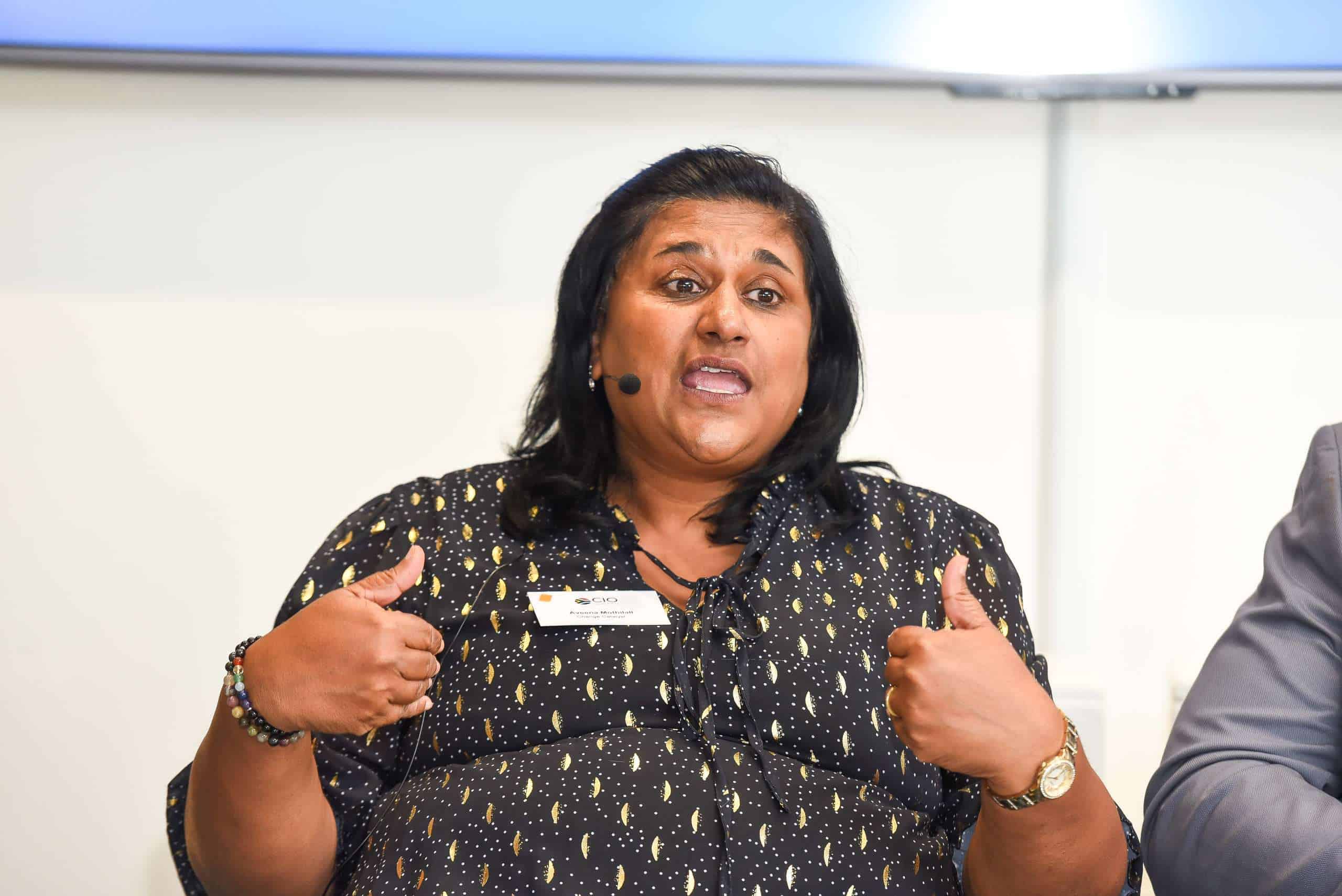
Aveena reflected on Engen’s five-year modernisation journey and said that legacy is the foundation you’ll often build on – “it’s not about throwing it away”.
“Business doesn’t understand the IT challenges so can’t stay in the background. It’s also important to point out that when we look at the why around modernisation and understand that the environment is changing. I had good support from the board or business level,” she recalled. “Be part of the board session to influence the decisions and translate the IT language to business language.”
Sitting in the audience, Nico Papanicolaou, IT executive at TUHF highlighted that the biggest issue with legacy systems in their environment is understanding the code. “If the developer understands the code, you’ll be able to maintain it,” he added.
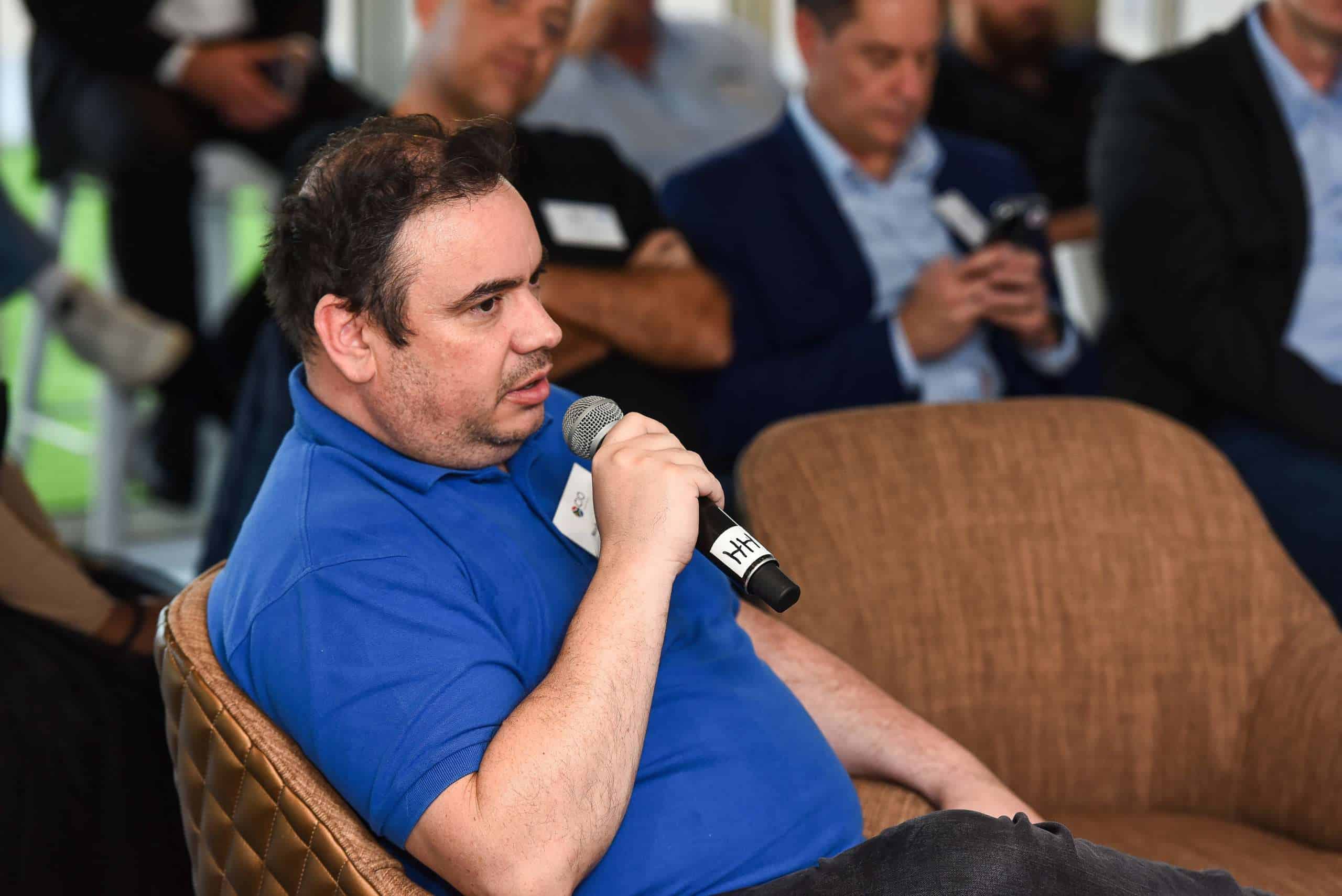
Ziaad Suleman, CEO at Cassava Technologies posed a question: As you think about modernation, how do you think about speed vs structure or both?
“Do we go big bang or in phases is really the question, and is different from one organisation to the next, it’s not a one-size fits all, you partner with business, it can’t be done in isolation. You need to work at pace and accept the risk, because the business value outweighs that future-proofing is driven from business strategy. It has to be hybrid, be flexible,” Aveena Mothilall responded.
“If you’re intentional about your framework – you can go at different speeds – there’s no need to sacrifice one for the other,” Chris added.
On the question of whether the legacy system change process should be aligned to KPIs across the business, one retail CIO said that this was common practice in the retail space.
“What leadership traits must a CIO have beyond tech to ensure successful change?” Asked Omeshnee Naidoo, CIO programme leader and director: digital engineering at Deloitte Africa.
“It’s about how you build resilience, a focus on business acumen in order to understand business pain points,” Aveena responded.
Modernisation or replacement
For Poppy Tshabalala, the evening’s keynote speaker and seasoned ICT executive, who is currently an independent ICT consultant, the discussion on legacy systems took her back to her CIO days of dealing with legacy systems.
She highlighted that one of the challenges with legacy systems is security vulnerabilities, a crucial part when considering modernisation. “Vendors tend to prioritise new systems and often don’t go back to ensure legacy systems are also protected. Another challenge is compatibility, the legacy might not be compatible with new software, which creates silos,” Poppy pointed out.
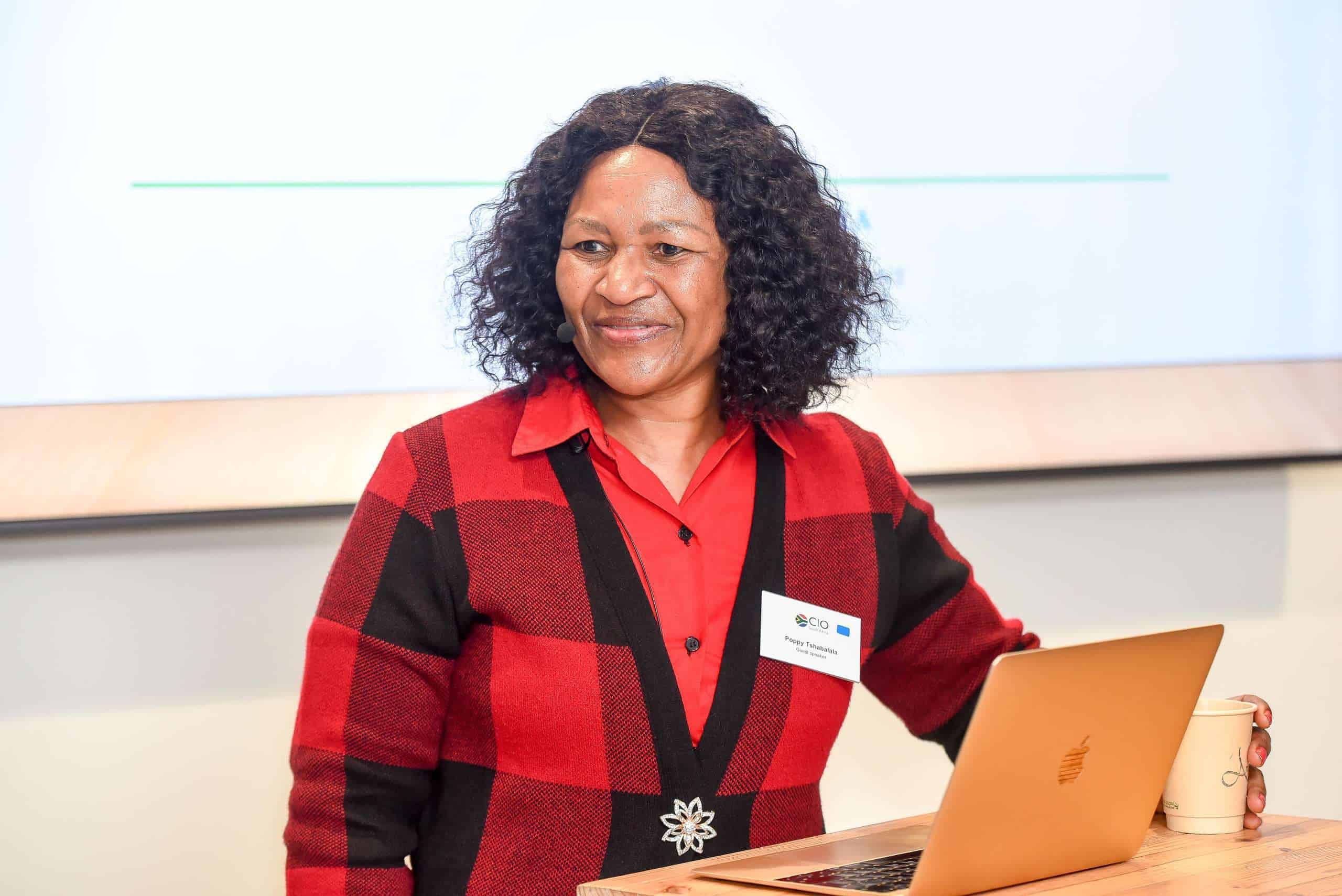
“Most legacy systems aren’t designed to easily integrate, and maintenance costs can make you think twice about modernisation. Legacy systems require more attention – as software updates, vendor support decreases. On scalability, one of the crucial aspects is performance. We live in the hybrid way of work and employees need to use mobile devices anywhere they are and data systems don’t easily support remote environments,” she continued.
She went on to highlight that the cost of replacement makes it difficult to motivate expenditure, and retiring a legacy system is too difficult to orchestrate all at once. In addition, existing data might be difficult to migrate to a new system.
“On skills, finding developers with understanding of old systems is difficult. You can’t spend a lot of money on a system you want to retire: a contention that can often arise,” Poppy added.

Mindset shifts and AI factories
Ziaad led guests back to the rooftop for drinks, networking and more panoramic views to close out the evening. As Ziaad settles into his new role, he’s equally as excited about new projects such as Cassava’s recent partnership in Nvidia, which is a part of the technology company's ambitious plan to build an AI factory – a first for the continent.
“The AI landscape now is about agentic AI. The factory will allow for global practices and plug and play scenarios – we are not here to compete but to change the landscape,” he said.
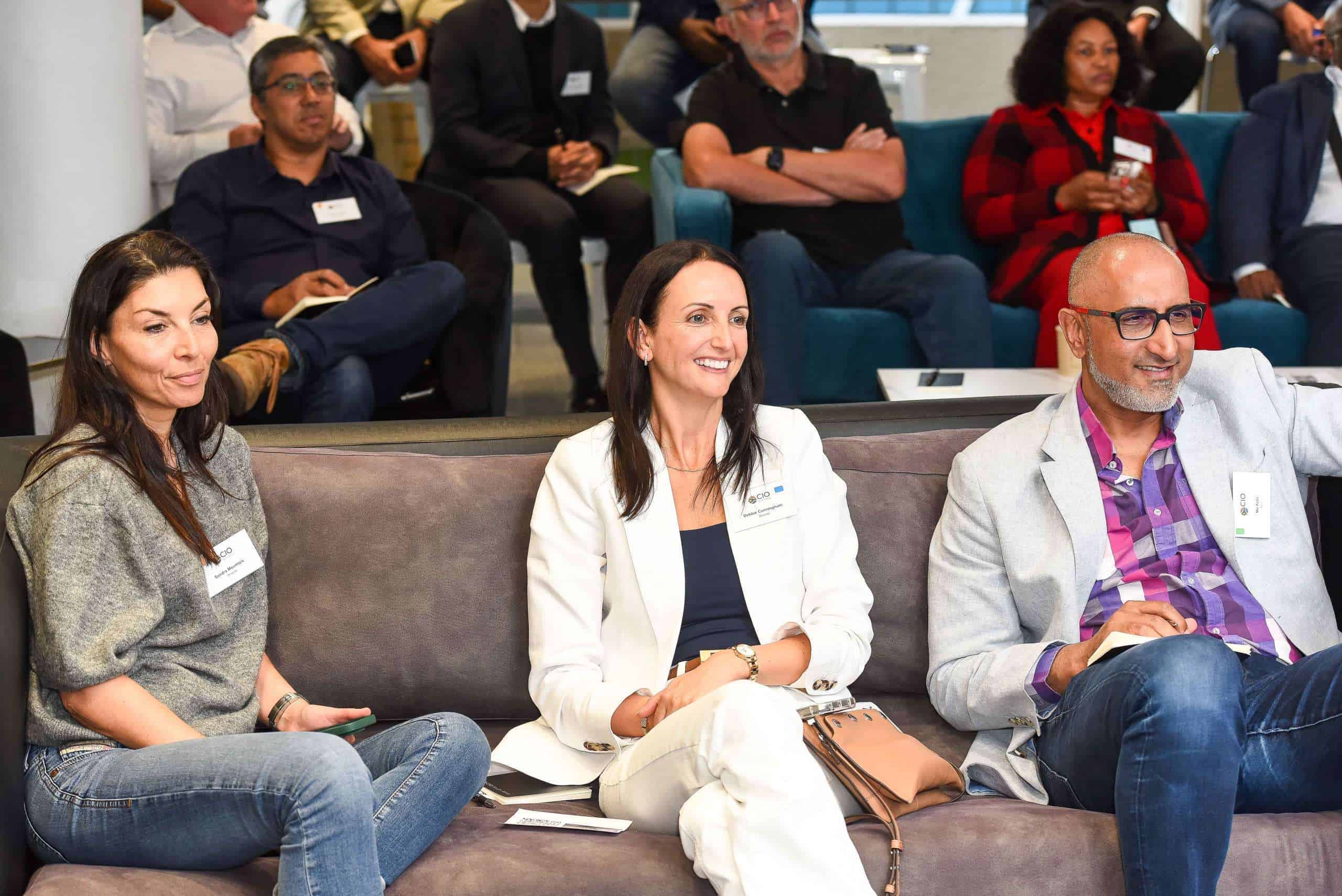
Reflecting on the evening’s discussions, EQ in the legacy system conundrum stood out for Ahmed Moola, CFO at MakwaIT.
“A major mindset shift had really stood out for me and a level of EQ required in change management: a shift from doing things without thinking about the impact on people. In addition, the successes and failures of implementation but limiting those failures. Finally, MakwaIT is innovative and has the skills to help you as the CIOs drive those business goals,” Ahmed concluded.
The event was proudly supported by CIO South Africa’s Principal Partners, Entelect, MakwaIT, Huawei, iOCO, and Liquid Intelligent Technologies. And, Associate Partners, Africa Data Centres, Equinix, and HCLTech.