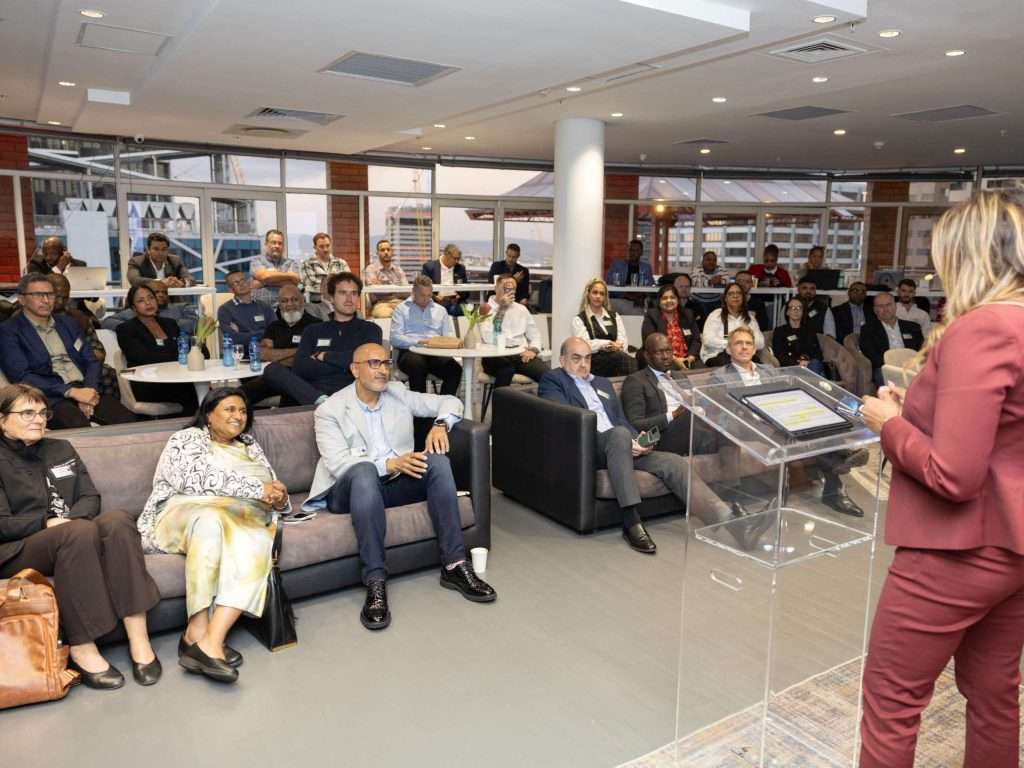
On 15 April, some of South Africa’s most influential technology leaders gathered at 180 Lounger where rooftop views set the scene for candid conversations about how CIOs are embedding purpose, trust and human impact directly into their technology decisions.
The afternoon began with welcome drinks, an assortment of light snacks and networking.
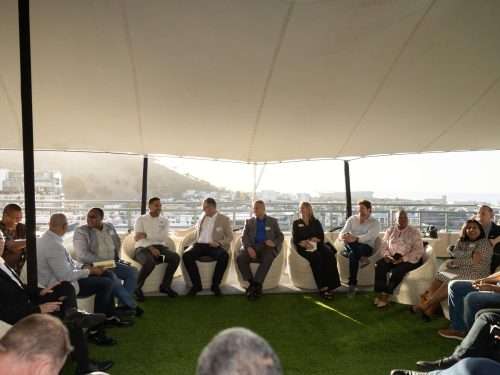
Once the guests were comfortably settled, the evening kicked off with three breakaway sessions in which CIOs interrogated the purpose of the roles and departments in their companies.

In one breakaway group, Eddie Dryden, client executive: retail at Cassava, said CIOs often find themselves between two extremes of the spectrum. “On one end you have IT treated as a cost centre reporting to a CFO but not represented, and on the other extreme, where the CIO sits on the board and is participating in determining strategies of the organisation.”
In the second breakaway session, Irwhan Rakiep, CIO at Metropolitan Life, said tech leaders in his group expressed desires to bring more to the table than just running their companies’ IT departments. “The fact is 80 percent of our job is to enable technology, but we also need to change our mindset and try to open ourselves up to get to the table where we can offer more.”
In the last breakaway session Carl Townsend, development manager at Entelect, described how CIOs spoke about how their roles involve building trust as well as systems. “We are at a point now where businesses almost want suggestions from IT on what to build.”
Leading transformation
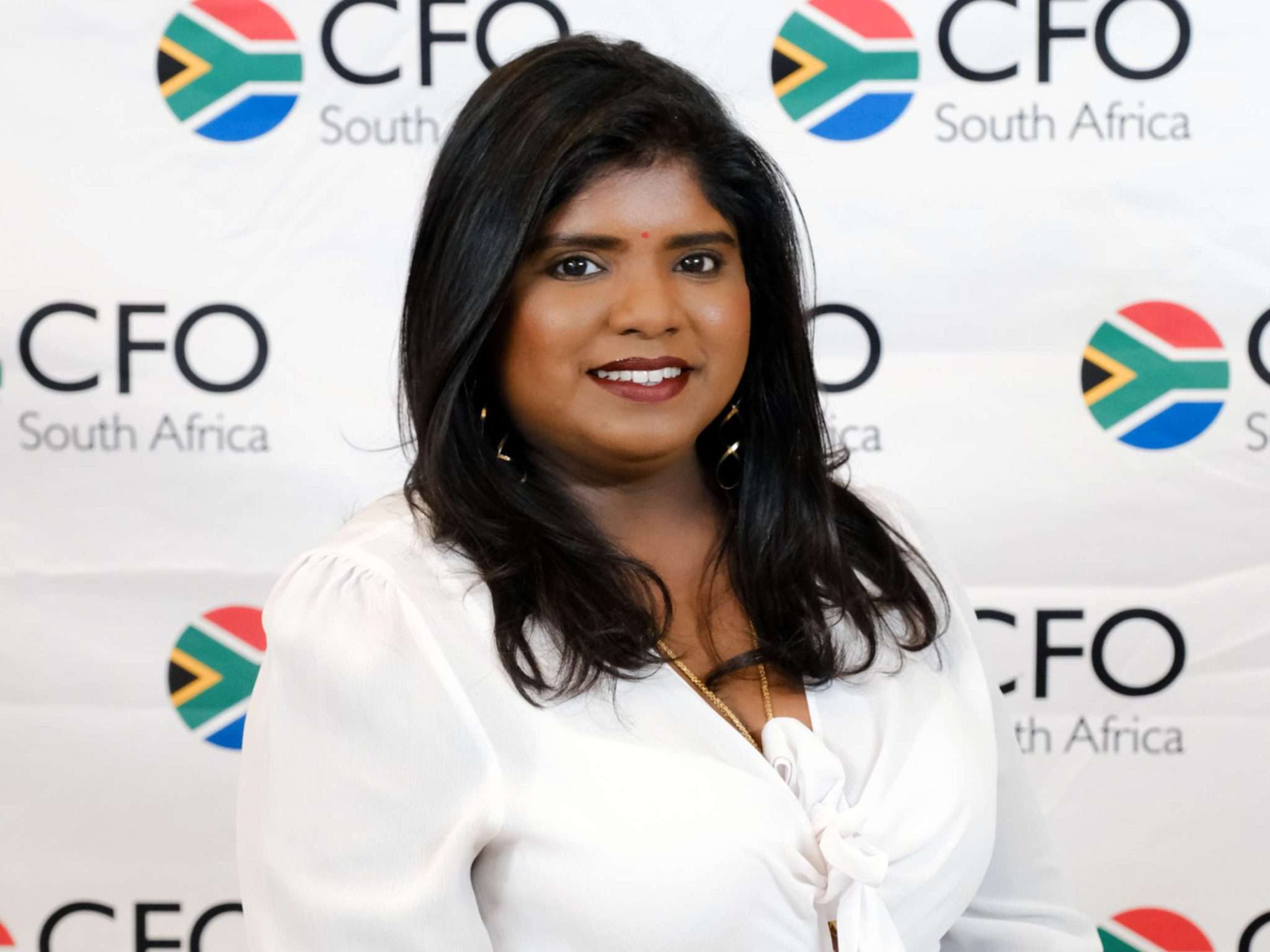
Next up was a thought provoking keynote address from Jeniffer Ramnath, independent executive in technology and digital transformation. Jeniffer’s insights were framed around the unique position of Gen X leaders in driving digital transformation, having lived through every wave of transformation from paper to AI.
“When you think about it, we know the sound of dial up and we’ve also seen enterprise systems moving to the cloud, into platforms and now AI. And just as we thought we had learnt it all, AI arrived. So when you look at this, we have not just witnessed transformation, we’ve actually led it.”
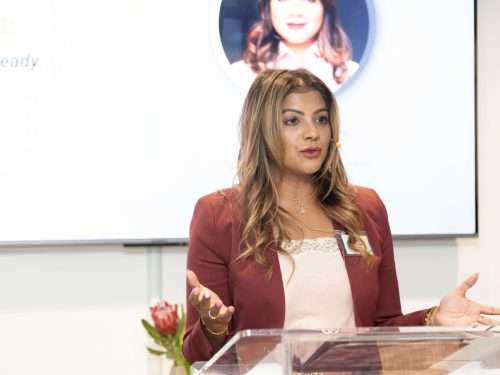
Despite leading the world into the 5th industrial revolution, statistics from McKinsey and Gartner were cited, noting that up to 60 percent of digital transformation efforts fail due to a lack of alignment and value delivery. “You have to ask yourself why they fail in the ability to deliver value. And this is where it’s not about effort, it’s not about capability. It really comes down to alignment,” Jeniffer told attendees.
She went on to highlight two examples of purpose-driven digital transformation. “Look at what Safaricom has done. They have literally built a technology platform that is focused on expanding financial inclusion that was bringing millions of people into the formal economy, and that is impact at scale. Then you look at Vodacom and the investment they’ve made in the rural connectivity that is more than just infrastructure, that is the ability to connect people who were previously excluded, unlocking access to markets, access to finance and ultimately, access to possibilities.”
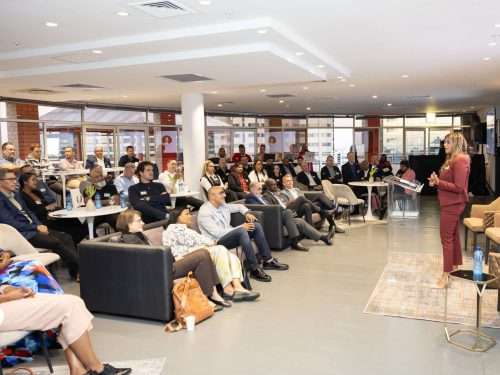
Jeniffer ended her keynote emphasising that South African IT leaders had a responsibility in the economy, specifically to help alleviate the country’s high unemployment rates.
“We have access that is uneven. We have opportunities that are still not equally distributed. And therefore we have to create the opportunities. We have to create the access. We’re the leaders in technology, and we have the mandate to do that.”
Technology as the enabler
After Jeniffer’s keynote, attendees broke for refreshments and snacks before a panel discussion titled Technology’s role in fostering culture and engagement, led by Sam Nkosi, group CIO at Santam; Mo Kola, CTO at TFG (The Foschini Group) , and Conrad Blignaut, chief executive at iOCO.
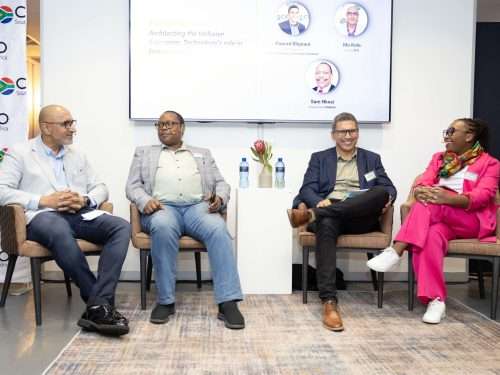
All three panellists shared information on how they are intentionally designing organisations where people feel included, empowered and genuinely engaged – with technology as the enabler.
Mo referenced TFG’s (The Foschini Group’s) Foschini’s rollout of an Oracle HCM solution and employee engagement platform for head office and stores. “The store employees required a very simple, single sign-on application, because we had a lot of digital weight in stores. They needed one place to log in and access what they use daily. At month-end, they wanted to see their payslip, log leave simply, and do their scheduling and clocking without friction. That is what we designed into one application as we rolled the technology out to stores.”
Sam pointed out that it is important to always put the people using the technology first. “We can talk about technology, but if people are going to have a different experience when using the technology and we say it’s not working, why? Because we are not actually taking the people on the journey when we’re changing.”
Conrad echoed this sentiment saying they often see well intended technological advancement just being a burden on employees. “You see both sides of the extreme. In one company you see technology rollouts that lead to improved sense of inclusion and engagement among staff, and then in another company you see the other side, which is a worsening sense of inclusion and engagement. Same technology in different environments, the results can be very different from an employee experience perspective.”
Good challenges
Panellists then fielded questions and comments from attendees. One guest’s question stood out: asking if companies and IT leaders were potentially over digitising from a culture perspective, saying that automating workflows, handovers and processes creates silos of accountability that were not previously present. “Instead of just asking a coworker about something, I’m now sending a mail at a workflow she must approve. Are we thinking about the culture as an end stage of what we are?” the guest asked the panel.
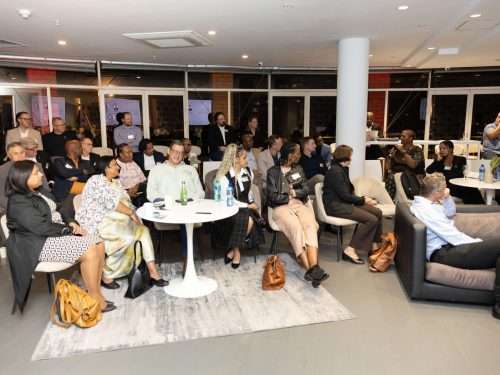
Panellists agreed she had raised a valid point.
“Don’t throw digital weight for the sake of throwing digital weight. You need to actually understand what the business process is, and how you are going to improve it, and re-engineering to redesign the process ‘afresh’ before automating. . It’s a good challenge for us to ensure we understand the business problems and challenges first, redesign the processes and then digitise with AI or automation. As we move forward in this AI digitised world,” said Mo. Mo added that we (leaders) need to be good at these four things in the World of AI, and these are:
- Learning: How does an organisation learn? Leadership training and education, staff training focus, tools training, vendors and partners, R&D etc.
- Deciding: How does an org decide which use cases to do and the why? What are the business challenges and problems, close understanding of the business capabilities and gaps thereof etc.
- Designing/building: How to do design and build the above problem statement
- Leading the change: Lastly, how we lead and enable the automation and embed this in the business process and is it having the desired impact and what do we improve?
Sam added that he had not yet seen the value in the bottom line when it comes to automating processes to save time. “If I was working at 100 percent and I’m now working 60 percent, what happens to my 40 percent of extra time saved? Do I go to the mall?”
Sam added that people fear change and AI because they know its capability but they are not guided on what they can do with the extra time technology frees up.
“I think it’s something that we need to know, because at the end of the day, we have spent money in the organisation to deploy all these technologies, but we need to see the return on investment, because some of us will be shown the way out, if we don’t prove that, it will save money for the organisation, because we are good at spending money.”
As the evening wrapped up, guests were treated to some delicious desserts, and a final round of networking over drinks.

The CIO Purpose Driven Tech Summit was made possible by Principal partners Entelect, Cassava, Deloitte, iOCO, MakwaIT; and Executive partners HCLTech, ITR Technology, Equinix, Hyland and Kaspersky.