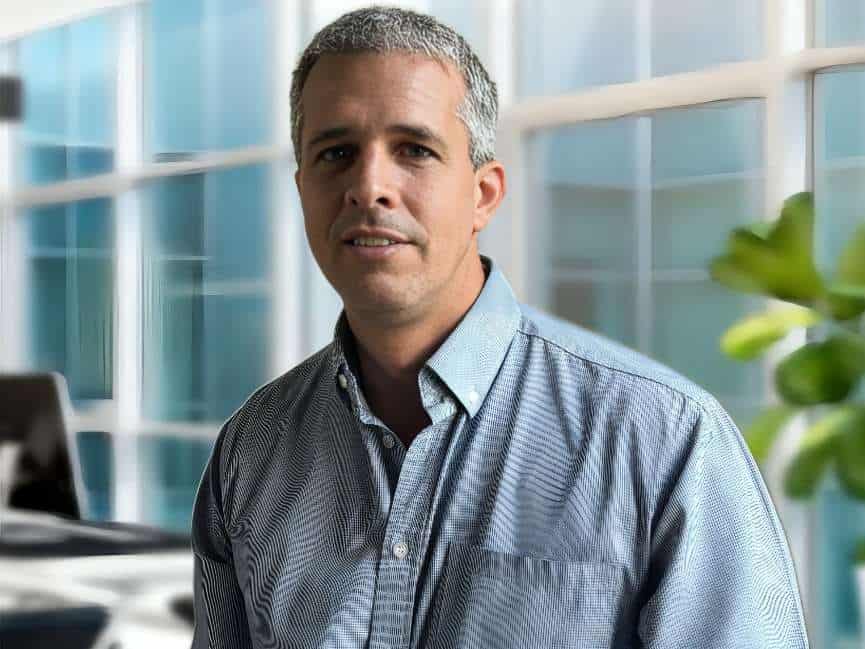
Mark Kohlmeyer, chief architect at iOCO Qlik, stresses that data quality is a shared responsibility between IT and business.
According to iOCO Qlik chief architect Mark Kohlmeyer, business teams must own their data, and align data strategy with business objectives as well as taking an active role in governance.
“Many organisations lack accountability for data quality. This generally translates into ‘everyone is responsible’, which usually comes down to the fact that ‘nobody is responsible’. Clear ownership of the data quality processes is essential,” Mark adds.
Here are three key takeaways for businesses to consider regarding data quality:
- Data quality should be a collaborative effort between IT and business. Business owns the process and must align data strategy with its strategic goals.
- Cognisance of the impact of poor data quality: poor data quality can severely affect both an organisation’s reputation and bottom line, as illustrated through real-world examples.
- Frameworks for data improvement: organisations need to implement data improvement plans and governance frameworks, ensuring that data is consistently monitored and improved over time.
Mark highlights challenges in the African context, where businesses seek data-driven outcomes, but face obstacles in connectivity, trust, transformation, and analytics. Despite data becoming more complex, its value lies in supporting better decision-making and reducing risks like customer churn.
“Matters such as completeness, accuracy, timeliness, and accessibility play a major role in data quality. Poor data quality can have a profound impact on an organisation’s reputation and bottom line, making it all the more important to understand it is a shared responsibility between IT and business. There are outlined frameworks and processes that organisations can use to improve and maintain data quality,” he adds.
According to Mark, the following key components are necessary if businesses are to extract value from data in a world with intense demand for data-driven business outcomes:
- Connecting and moving data
- Ensuring data trust
- Transforming data
- Storing it in business-ready formats
- Analysing and predicting to extract value
“Modern systems involve challenges such as new regulatory requirements such as the POPI Act, multiple data locations: cloud or on-premise and business trust in data quality is an essential element for any data and AI project,” he notes.
He used EOH’s data modernisation journey, integrating Qlik and Talend as a tool to enhance data quality and governance as a good example. “Through this partnership, EOH implemented a robust data governance framework, streamlined processes and increased data accuracy, ultimately positioning the company to leverage reliable data for better decision-making,” he explains.
EOH faced fragmented data architecture and inefficiencies due to multiple ERP systems and a lack of master data governance. By focusing on finance data first, the team consolidated over 40,000 customer records to around 14,000, demonstrating the power of continuous data improvement.
This project resulted in improved data trust, enhanced operational efficiencies and more reliable data for better decision-making.