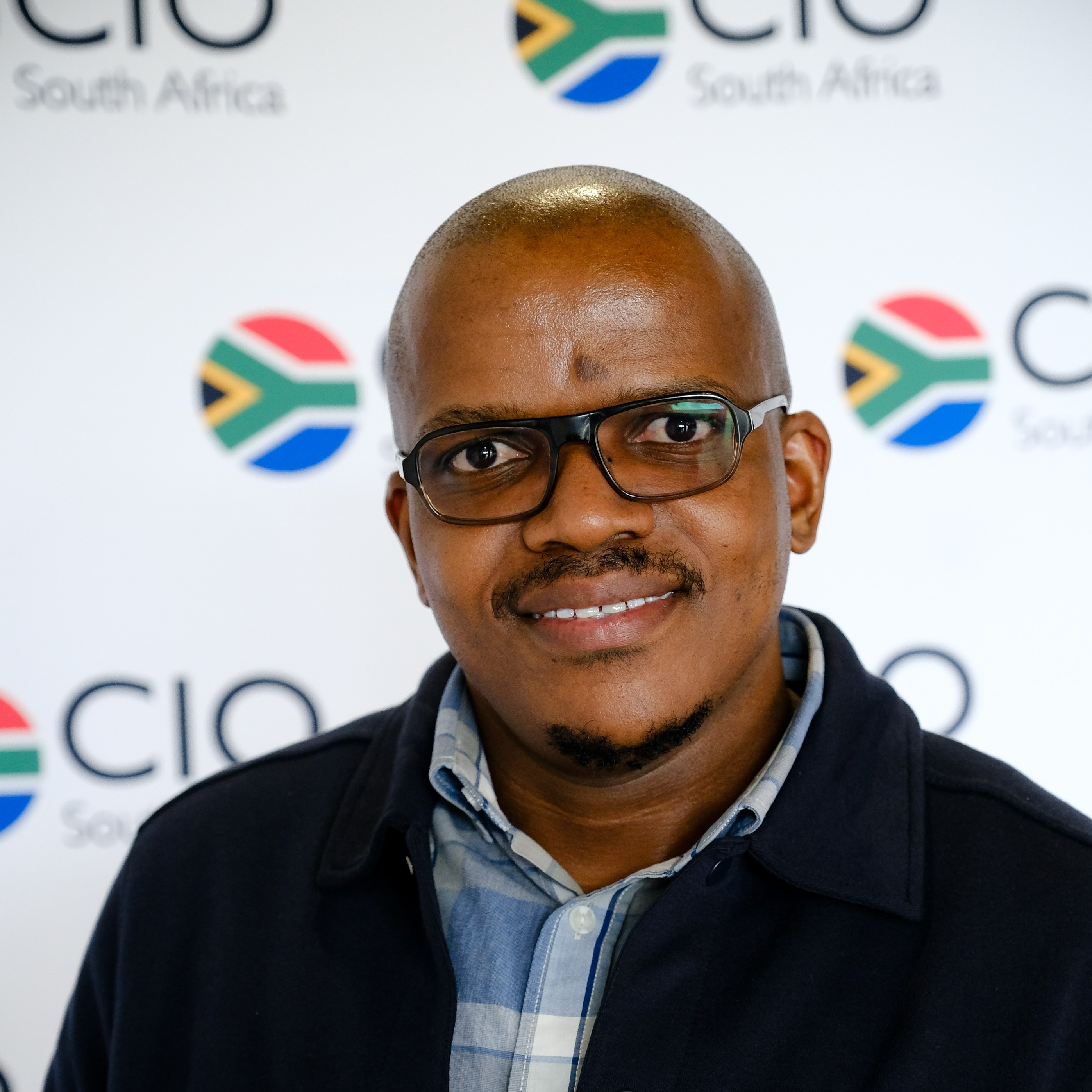
As CIO and head of business solutions at Sanlam, Lazola Ngqaza drives technological innovation while highlighting a healthy work-life balance. He also reflects on his leadership journey, the critical role of talent, and the transformative impact of AI on financial services.
Sanlam is the largest non-banking financial services group on the African continent, with a leading niche presence in Asia. The insurer has a 105-year history of empowering South Africans and is a trusted adviser to retail and institutional clients across the country. Playing a critical role in its IT initiatives is Lazola Ngqaza, CIO and head of business solutions at Sanlam.
It’s a high-pressure role, but Lazola makes it a point to maintain a healthy work-life balance. “Balancing the demands of my role with maintaining a healthy work-life balance is indeed challenging but essential,” he says. “I’ve had to accept that I can’t be involved in every conversation, which has required me to delegate more effectively to my capable team. Attracting the right talent has become crucial to ensure that I can entrust key responsibilities to skilled individuals.”
A father of three, Lazola prioritises setting boundaries and dedicating time to his family, though he acknowledges the difficulty of achieving this balance. He finds relaxation in sports and literature, especially enjoying rugby, Formula 1 racing, and reading.
Authors Liz Wiseman and Greg McKeown are two of Lazola’s favourite reads. “Their work, especially in Multipliers, has provided valuable insights on leadership that have shaped my approach,” he says.
A passion for leadership
Lazola’s passion for IT is deeply intertwined with his interest in leadership. Early in his career, he was offered a leadership role that sparked a desire to lead more effectively. This led him to join a ‘Future IT Leaders Programme’ at a financial services organisation, marking his entry into the sector.
“My first leadership opportunity came right around that time,” he reflects. “As fate would have it, it was with a financial services organisation, and in a sense, I drifted into financial services.”
As he grew within financial services, Lazola’s motivations also evolved. “What has anchored me in this sector, however, is the immense opportunity to ensure that South Africans have access to financial advice and products at their point of need. Helping to provide them with financial confidence and peace of mind about their future is highly rewarding, especially given how many South Africans cannot afford to retire due to missed opportunities for financial education earlier in life,” he says.
Key insights on talent
Lazola’s journey as CIO has been defined by continuous learning and adaptation, with a focus on innovation.
“I've witnessed firsthand how technology can transform operations, elevate customer experiences, and drive innovation in the financial sector,” he notes. “Personally, I’ve evolved, as well as gained business insights and developed a customer-centric view of technology. My ability to engage in business conversations has improved as my technical language has shifted more toward business objectives.”
When it comes to fostering a culture of innovation within his team, Lazola believes in recruiting for attitude and training for skills. “Technical expertise is essential, but qualities like resilience, adaptability, and a collaborative mindset are equally critical,” Lazola points out.
According to Lazola, technology and methodologies are evolving rapidly, and an adaptive mindset is the only way to thrive, a case of eat or be eaten, as he puts it. Lazola says that Strong communication skills and the ability to work cohesively as a team are vital. “The financial services sector is dynamic, so having team members who are not just technically skilled but also willing to learn and embrace new ways of working is essential for success.”
Strong communication skills and teamwork are essential in financial services, and Lazola strives to create an environment where employees feel valued. “My technical background allows me to have substantive conversations with each team member in their own language, which helps them feel seen and respected,” he says.
Responsible AI and human firewalls
In an era of increasing cyber-threats, Lazola is focused on a multi-layered approach to safeguarding sensitive financial data. Sanlam employs robust cybersecurity measures, regular security audits, and advanced threat detection systems to mitigate risks.
However, Lazola believes the company’s strongest defence lies in its people, or “human firewalls”. “We focus heavily on educating employees about safe cyber-behaviour, ensuring they are equipped to recognise and respond to security threats. Regular simulations and training keep this knowledge fresh and help make cybersecurity a shared responsibility across the organisation,” he says.
Looking ahead, Lazola sees artificial intelligence as a transformative force in financial services, reshaping everything from fraud detection to personalised financial advice. Yet, he acknowledges the challenges that come with AI, particularly around ethics and compliance. Ensuring AI systems are transparent, fair, and unbiased will be critical in navigating the regulatory landscape, he notes.
“In the future, AI will play an even larger role in driving innovation, optimising operations, and delivering more tailored services to clients. It will significantly change the way we approach everything from customer engagement to operational efficiency,” he concludes.
“We’re on the cusp of a massive transformation, and we’ll one day look back at this period as the turning point where everything changed.”