
As global organisations explore models that combine IT and HR to meet the demands of an evolving workplace, CIO South Africa asked leading local executives whether the same shift could take root in the country.
The rise of AI and increasingly blended digital business roles has accelerated this trend and sparked debate about what it means for leadership, people management and technology strategy.
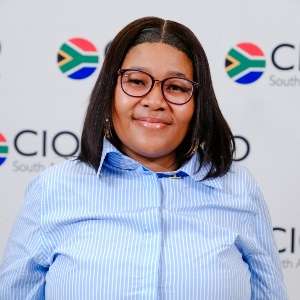
Adcorp group IT executive Abri Erasmus; AECI VP of technology and digital Sne Dlamini; RMB CIO of corporate transactional banking Gavin Moss and AGSA CTO Phila Ndarana share their views on a trend shaped by the rise of AI and increasingly blended digital business roles.
Drawing on decades of HR and IT experience, Abri Erasmus is quick to express doubt about the trend. “While IT enables HR, the complexity of data governance, architecture and cybersecurity on one side and the breadth of recruitment and performance management on the other makes integration impractical at scale,” he says. He argues that for large organisations, each discipline requires its own leadership focus.
Sne Dlamini takes a different view and looks to the future. She highlighted how technology is reshaping structures and pointed to a global shift where AI is blurring traditional boundaries. “Business roles are becoming more technical, and IT roles are becoming more strategic,” she says. “It’s no longer about who owns the system. It’s about who creates value from it.”
While Gavin Moss also remains unconvinced. “I like the split of HR people saying this is the problem we’re trying to solve and technologists saying here are the options on how to solve the problem,” he explains. The separation, he argues, allows each group to focus on their disciplines. He adds that he would be sceptical of joining an HR function with a technology function because it could make it harder to find the right problems from a technology perspective.
Gavin also questions whether leaders could manage people effectively through technology. “People-related processes, policies and getting the best out of them has to be done by people,” he says. “You’ve got to be able to have EQ. You’ve got to be able to read the room,” he adds.
Phila Ndarana draws on almost 30 years in IT to offer a more flexible view. “I’ve seen structures change a lot,” he says, recalling the move from a single monolithic IT division to bimodal IT and has seen IT sit under finance, operations and shared services. “It varies business by business, industry by industry and the structure should be informed by the strategy you want to implement,” he explains.
He adds that while models will differ, one principle remains constant. “It doesn’t matter whether you are combined with HR or whatever. If you are a people leader, it should not matter.”