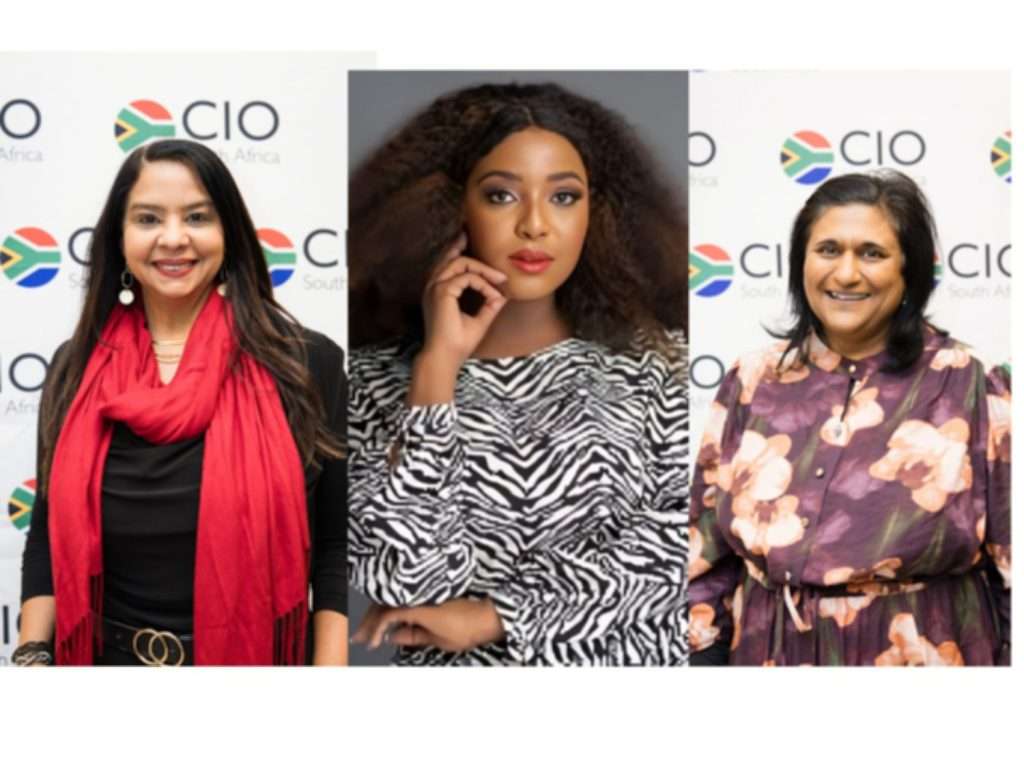
While the demand for data and coding skills continues to soar, the secret to surviving the AI revolution might lie in going back to basics. IT leaders, including PPECB chief information officer Bridgette Daries, Aveena Mothilall, director of data and analytics, at Twinings and Keaobaka Morare, head of group IT strategy and enterprise architecture, office of the CIO and COO at Santam explain how professionals at any stage of their career can use mentorship, traditional education and cross-pollination to pivot successfully.
The sudden rise of automation has left many professionals wondering how to stay relevant in a corporate environment. To find out what it takes to succeed, we asked three IT leaders what advice they have for high schoolers, recent graduates and mid-career professionals.
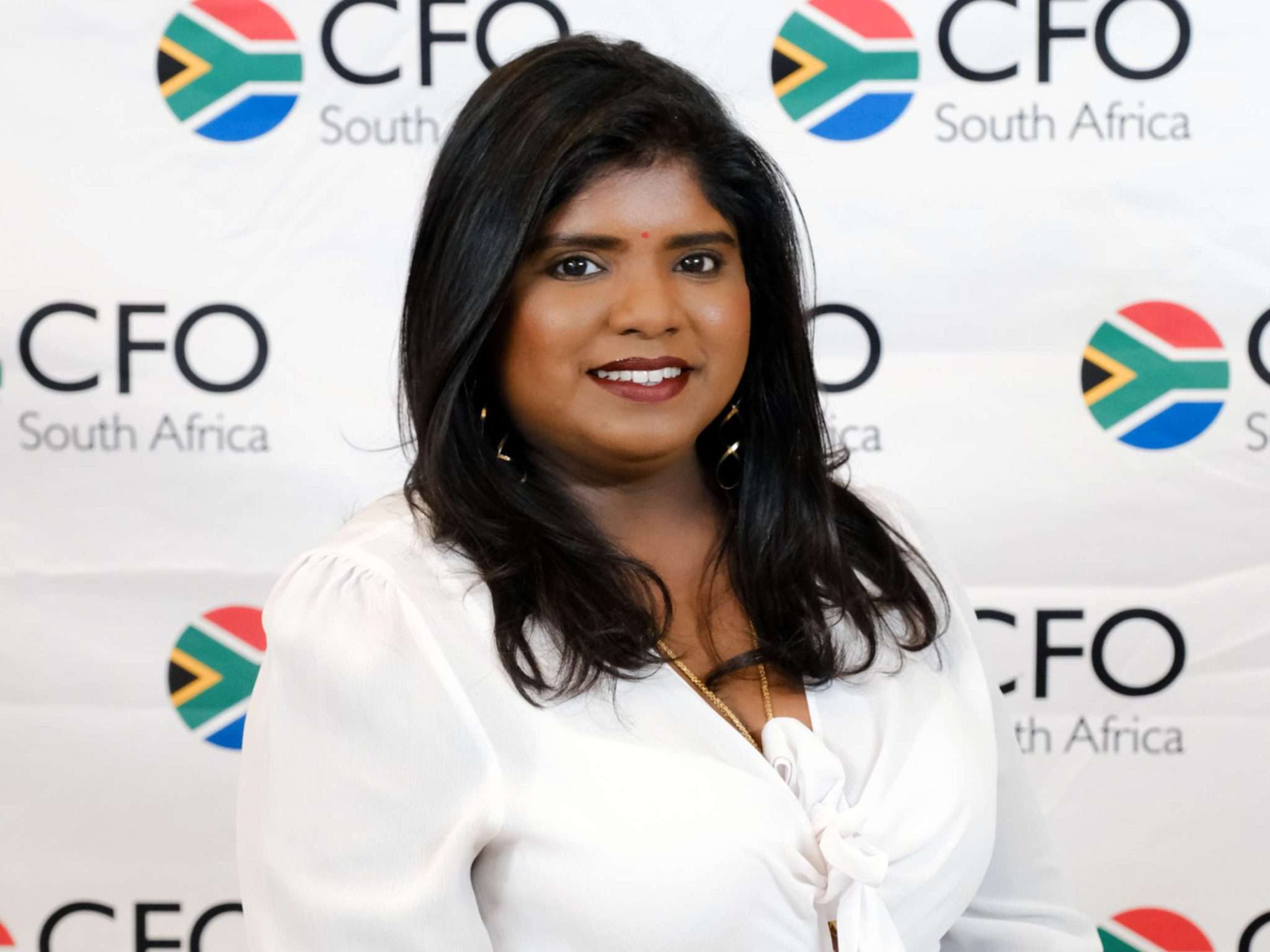
Bridgette Daries, chief information officer, PPECB:
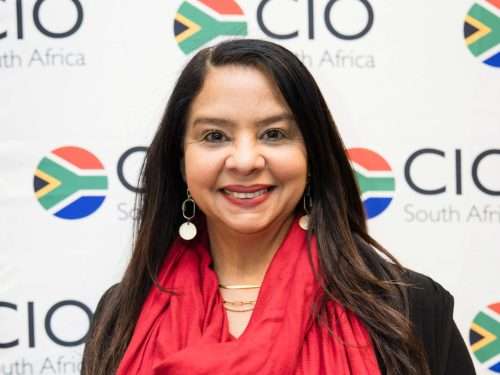
I think the ultimate answer is to have a broad skill set and a solid foundation. I am somewhat of a traditionalist in terms of traditional education. A solid foundation is always required, and then one can deep dive and specialise from there.
However, it goes back to the grassroots nowadays. If you look at the school curriculum and the types of subjects being introduced at a much younger age, programming has been around for a while, but robotics is a good example over the last decade.
I have a son who did robotics from grade six up until he matriculated last year, to the extent where he reached an international level. He is building upon that now. If I look at tertiary education, it is broad, but his intent is to deep dive into robotics. That seed was planted when he was about 10 years old.
It starts at a very young age with an introduction to technology. Mathematics and science are absolutely critical. It is very narrow at that stage and then broadens with tertiary education. That is where I am a traditionalist, where a degree or diploma is important. I personally had a diploma which involved a lot of practical work and incorporated workplace skills training as part of the qualification. That is great because you get to apply as you learn, but the scope is very broad. As one matures, you can then deep dive.
If I look at where technology is going, the opportunities are so wide. It is largely around automation and ethics. AI is the buzzword and there is massive opportunity there, but there are also job opportunities in the ethical and human side of doing things. There is a role for many different players. Whether it is traditional application development, infrastructure, networking or big data, there is a place for all of it.
My guidance to people coming into the industry would be that it is okay to keep your skill set broad and then specialise as you go along. Given the access to information and opportunities, it is not as difficult to pivot as it was 20 years ago. You can do that and build upon the skill set you already have.
Aveena Mothilall, director of data and analytics, Twinings:
My advice, especially for youngsters still at school level considering positions, whether it is in IT or non-IT, is to scale up with IT skills.
Knowledge about data and analytics is a big win, and AI is as well, because the future of work is going to require those sorts of skills. Whether you are an accountant, in marketing, an engineer, an architect, a hairdresser or a doctor, data and analytics and AI are going to give you the skills required in the future. Be intentional. There is a lot of free training offered in this space. Be curious about it, learn about it and then use those skills, because you will need them in the future.
From a university student perspective, it is even broader. It is important that you get guidance on what you are studying and what will supplement it as an IT skill. You get your foundational training from your university, but that alone is not enough to secure employment.
We are finding a high unemployment rate because graduates are not ready for an entry-level job. Just having the theoretical foundation you get at university is not enough. Stack it up with relevant IT skills. There is free training available through Microsoft, AWS and SAP. Find out what those are and explore them. There are a lot of resources, so match them to what piques your interest.
It is important, especially with the maturity that one has, to be attuned to what interests you from a career perspective. Where is your aspiration? My guidance is that it is never too late to pivot. I went from IT into business, into supply chain, to marketing and sales, did finance and then came back to IT.
There is nothing stopping you if you want to pivot. What is important is getting to know yourself better and understanding what you are looking for from a career and a passion perspective. Then go out and intentionally find a mentor. Find somebody that will coach and guide you in this pivot, because doing it yourself can be daunting. You are used to what you know and you want a fresh lens to help guide you in that process. A mentor will help you figure it out and find the best way to enable pivoting to a new career journey. It is possible.
Keaobaka Morare, head of group IT strategy and enterprise architecture, of the CIO and COO office at Santam:

Based on what we are seeing currently, learners in grades 10, 11 and 12 are already more involved in Stem than we realise. For example, when we engage with grade 11s, their hunger for technology is different, and it is purely driven by the high unemployment rate.
Their investment from a data perspective is not just for TikTok; it is actually for learning. They want to find a job, learn Java and .NET and know how to code and what the best-paying tech jobs are.
They are inquisitive and are already researching emerging technologies. If they were given an ear, a chance and the opportunity to apply critical thinking in a corporate environment supported by the right tooling, they would succeed. That is what we are seeing from high schoolers and university students.
On the flip side, from a corporate perspective, when they actually land a job and start working, the hunger is there. However, they now have to develop interpersonal skills and work on the skills they need to have for a corporate environment, which we ideally invest in. From a tech perspective, they are far ahead.
They do not understand a 100-year-old organisation and ask why we do not have certain technologies, where our research and development or innovation labs are and if we can do a hackathon tomorrow. That is their mindset, and we should not take that for granted.
We are seeing that even those who are self-taught from underprivileged communities have a hunger for learning and a hunger to succeed. That desire to leave their current environment is what propels them.
Most of the time, when they get into corporate, the continuous learning is there. You do not even have to instil it in them. We see it and we nurture it. All you have to do is guide it correctly because of things like governance.
The interesting thing is that they come through, and we now have colleagues who have been working in that environment for 15 or 20 years. They are used to doing things a certain way. Then the new generation asks if they know that Claude 4.0 or ChatGPT is coming. It is a clash of ideas between the old and the new.
From a corporate perspective, we need to support both worlds because they need each other. The young professionals are fast and want to do things instantly, but they need guidance and restriction. However, the institutional knowledge of our older colleagues is invaluable, and they provide that guidance.
Even in the AI world, we talk about meeting the person where they are. There are different personas. You will always have those who are sceptical to try it. You will also have those with institutional knowledge who need a bit of nurturing outside of the spotlight, but they are willing to learn.
There is a cross-pollination of skills. However, it needs to be managed carefully, with respect and intention.
The young ones have energy and excitement, but they need to remember in corporate you need to take it one step at a time. For those who have been with us on the journey, there is an opportunity to do things differently, and we will be patient with them. That is the beauty of incorporating all the different generations.