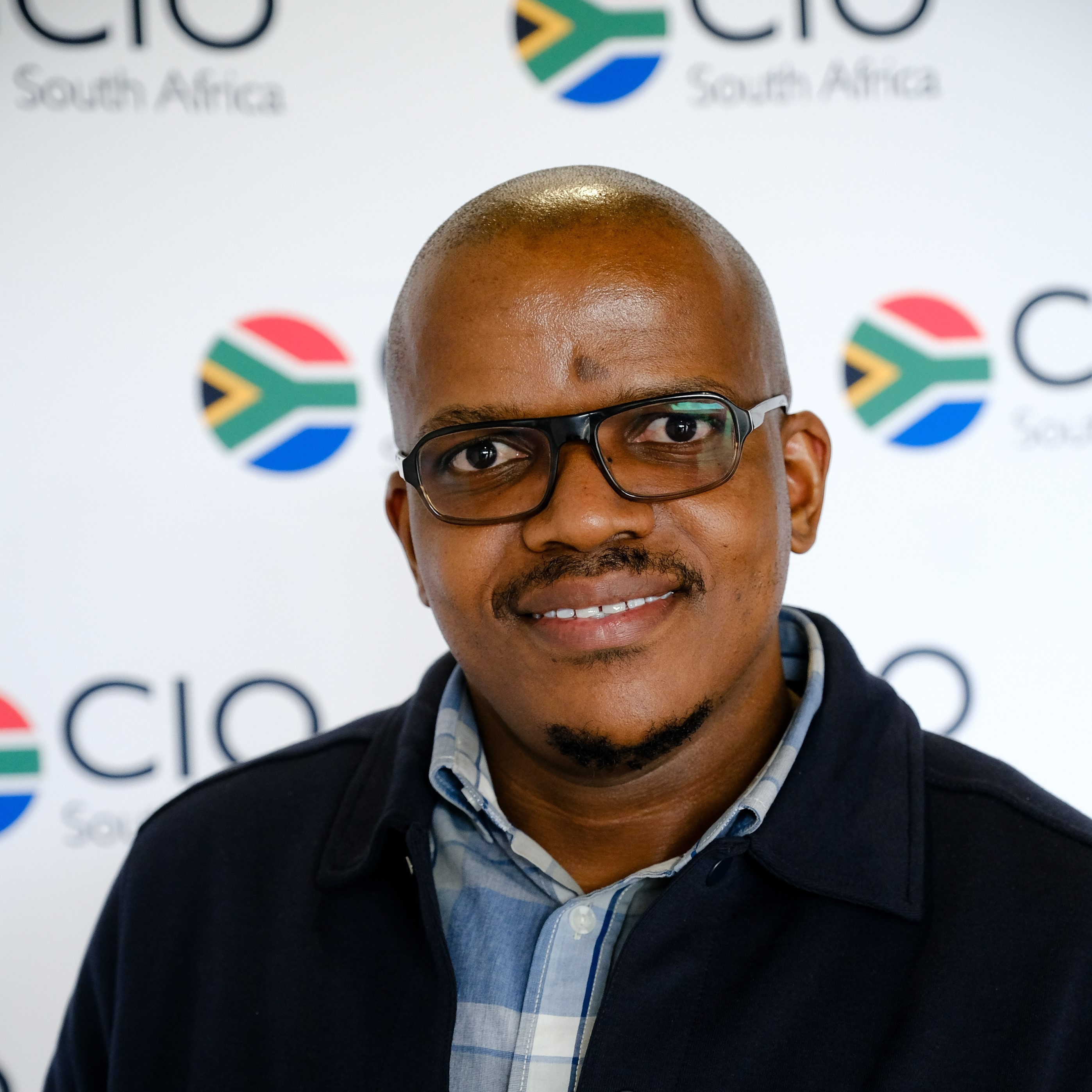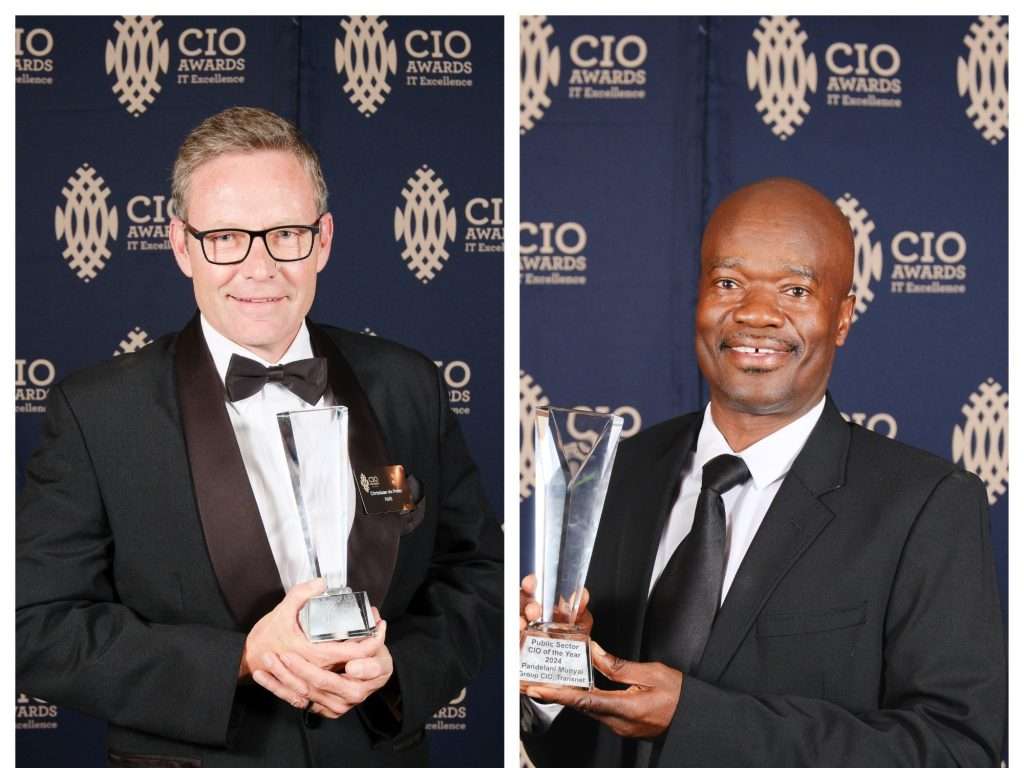
Here are some books, ranging from historical insights to technical expertise, suggested by South Africa's top CIOs.
Ahead of the festive season, CIO South Africa spoke with Pandelani Munyai, group CIO at Transnet, and Christiaan du Preez, CDIO at RMB, about the literature that inspires them both personally and professionally. Their recommendations span diverse genres, offering inspiration for all.
A history lesson
Christiaan enjoys reading The Wisdom of Crowds by James Surowiecki and books by author Conn Iggulden, who writes novels based on history, “You get a history lesson in the form of a novel, which makes it less boring but more engaging,” he says. “I enjoyed reading his novel about the Roman Empire the most.”
Christiaan also found Management 3.0: Leading Agile Developers, Developing Agile Leaders by Jurgen Appelo very interesting, “It talks about how one can shift towards becoming a servant leader,” he explains. “I think this is very important: our job as leaders is to make our teams successful and empower them to achieve their goals.”
The technical vs. inspirational
Pandelani, on the other hand, in the past was an avid reader – he would actually give himself a target of reading at least five books every month. “The majority of the books I used to read were largely influenced by the master’s in business leadership (MBL) I was pursuing at the time,” he adds. “We had a course on international business and it inspired me to read a lot about international business and understanding culture and how people think from Africa to Europe.”
His MBL studies involved a lot of financial aspects that also influenced the type of reading Pandelani did, as well as his thinking around the organisation he worked for. “As such, I read a lot about banks and one book comes to mind, The Bank: The Birth of Europe’s Central Bank and the Rebirth of Europe’s Power by Matt Marshall, as well as Options, Futures, and Other Derivatives by John C. Hull.
When these books started to feel a little too academic for Pandelani, he switched gears a little bit, to books about sports. These feed his other passion, football, a game he played in high school and university. “The main themes that stood out to me in these books were centred around perseverance when playing sports and the psychology around sports,” he explains.
Pandelani has an interesting approach to learning: he believes that it is important as a leader to step away from the areas which you are the strongest in, and move into the softer areas so that you can widen your environment.
“I’ve recently returned to academic literature and reading highly technical engineering books. One book I’m currently reading is RF and Microwave Circuit Design and Recent Advances in Antenna Design for 5G Heterogeneous Networks by authors Issa Elfergani, Abubakar Sadiq Hussaini, Jonathan Rodriguez, and Raed A. Abd-Alhameed,” he says.
Additionally, books on the art of war captivate Pandelani, especially in light of global conflicts, as they offer valuable insights into strategy and resilience.