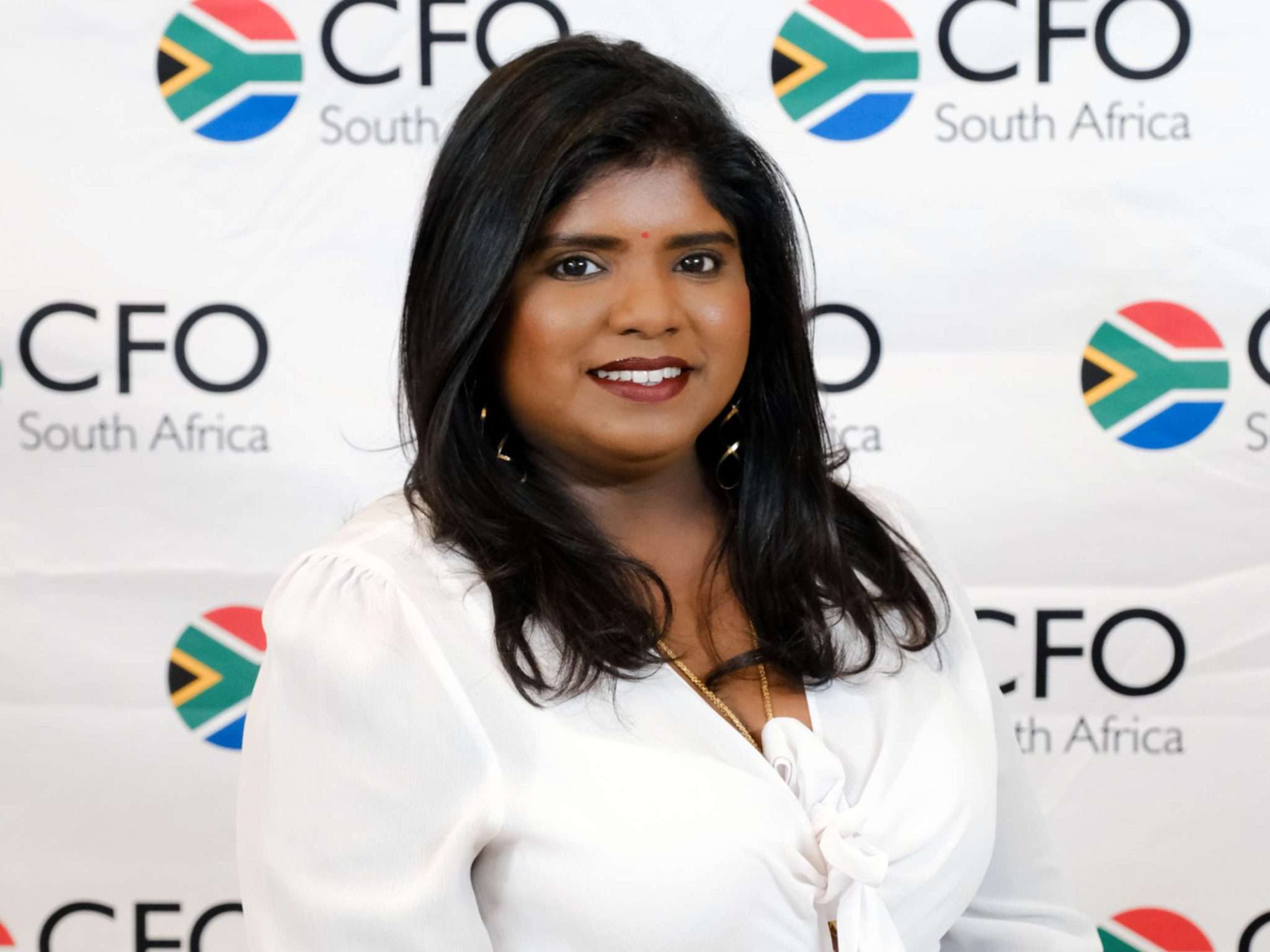

CIO South Africa recently caught up with Vinoliah Martin, chief technology officer at PwC South African Technology and Innovation Centre (SATIC), and here is what she shared about her role.
What makes you excited to get up in the morning?
What gets me out of bed every morning is knowing that I have the opportunity to make a meaningful difference in the lives of people, in the success of organisations and in contributing to the future of technology and AI-driven innovation.
I find it incredibly rewarding to empower people to develop their digital competencies by strengthening their knowledge, skills and attitude and building their confidence so that they are able to achieve what once felt out of reach.
I believe that when people are empowered, they are able to help organisations turn strategy into real, measurable outcomes that can deliver significant value for clients globally. For me, it is this connection between personal and professional growth, the ability to deliver technology-enabled business impact, and contribute to wider societal progress that makes the work I do truly meaningful.
What keeps you up at night?
Firstly, I love my sleep and try my best to protect it. At the same time, I often find myself reflecting on whether we are truly doing enough to unlock the full potential of our people, technology, data and AI and, importantly, how effectively we are combining these elements to transform the way we operate and deliver greater value to our clients.
From a people perspective, it is not just about attracting top talent, but about creating an environment of psychological safety and continuous growth where people can truly thrive. This requires a deliberate focus on equipping our people with technical and domain expertise, building practical skills to apply and scale innovation, and embedding a mindset that embraces change, while maintaining an uncompromising focus on quality as we grow our capabilities.
From a technology perspective, I often wonder whether we are truly maximising the potential of emerging technologies like generative AI and agentic AI, not just to support people, but to fundamentally shift towards more autonomous and intelligence-driven ways of working and delivering value. I believe that there is a real opportunity to rethink how we automate end-to-end processes and service delivery and unlock new levels of speed, intelligence and scale. It is important that we do not lose sight of the basics, such as strong governance, responsible and secure use of AI, solid data foundations and the right architectures.
I also frequently think about the broader societal impact. AI for example has the potential to improve lives, expand access to knowledge and drive economic growth, but it also raises important questions around trust, ethics, workforce transformation and inclusion. As technology leaders, we have a responsibility to ensure that innovation benefits society as a whole and creates opportunities for future generations.
What is the biggest shift you had to make in how you lead and think about your role in the last 12 months?
For me, the shift has been from focusing on “how work gets done” to “how work can be reimagined” to deliver significant value to our clients globally.
With AI no longer being a buzzword or a future concept, but a practical, embedded capability, the real opportunity is now in enabling our teams to meaningfully integrate AI into their daily workflows, not as an add-on, but as a core part of how we operate and deliver value. This shift is not only about driving efficiency, but also about enhancing the quality, consistency and overall impact of everything we do.
As a leader, this meant that I needed to move away from the traditional views of productivity, towards creating clarity in ambiguity, empowering teams to experiment responsibly and embedding a culture of continuous learning and innovation, while consistently asking the right questions and balancing short-term priorities with a long-term vision.
What do you want to leave behind when you step away from your role?
I want to leave an ecosystem that continues to adapt, thrive and innovate. At the core, this means a high-performing and diverse team that operates with autonomy, confidence, psychological safety and strong ethical foundations; and a pipeline of future technology leaders who understand how to responsibly leverage the power of emerging technologies to solve problems, enhance lives, strengthen organisations and contribute to broader economic growth. If the business is more capable, more resilient and better positioned for sustained innovation and impact after I leave, then I would have done my job well.