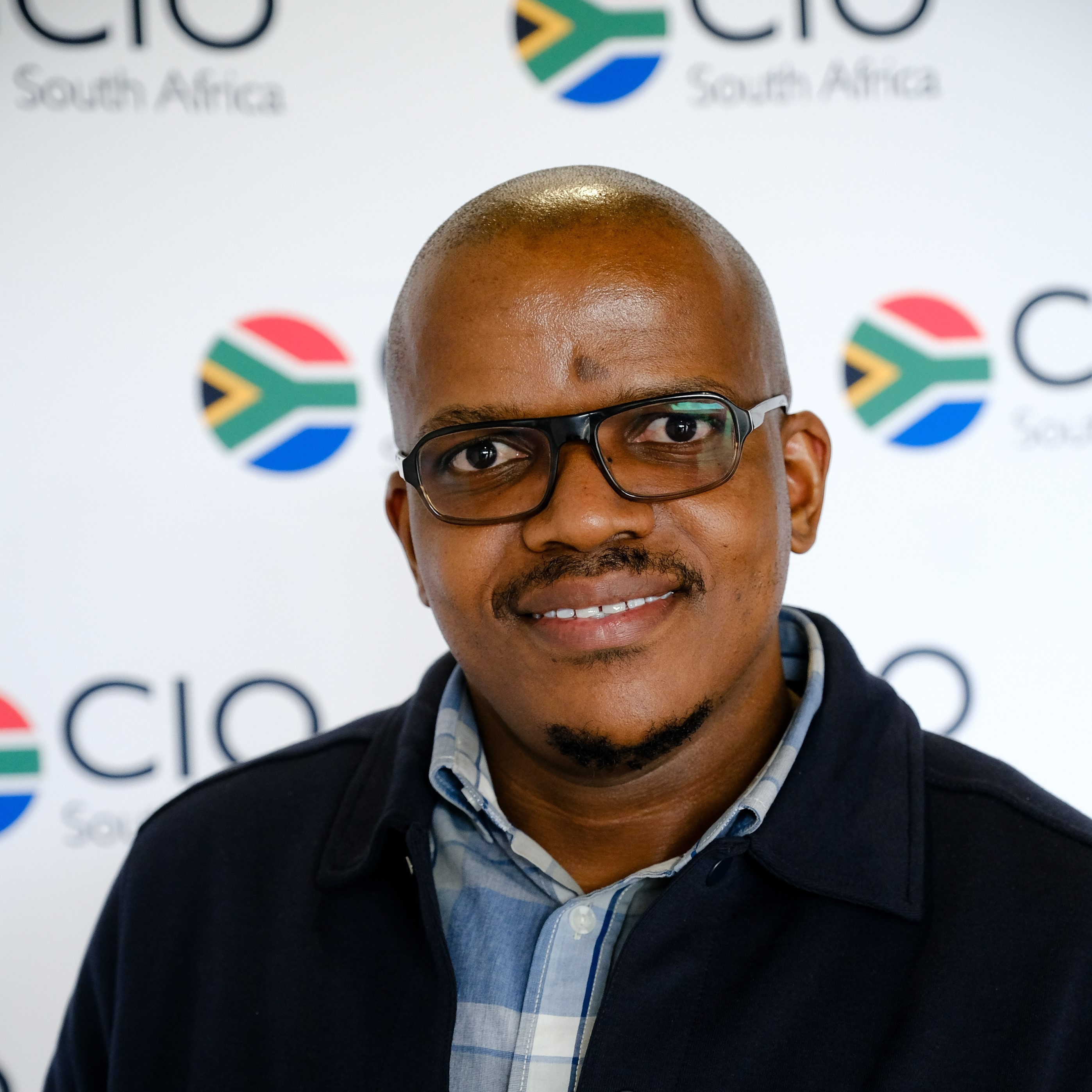
In his new role, Roberto will explore emerging and leading technologies such as blockchain, NFTs, AI, and automation.
DVT, a global software and services company, has named Roberto Ferro as its innovation centre lead. Roberto and the Innovation Centre will enable accelerated adoption, implementation, and value realisation for DVT's current and potential clients considering new technology opportunities through practical demonstration, technical proof of concepts (POCs), and accelerators.
Roberto holds a BSc (Hons) in computer science from the University of the Witwaterand. He has also been the recipient of numerous technology innovation awards, including one during his time with Standard Bank. Prior to joining DVT, Roberto was the senior IOS developer at Tracker and remote IOS developer at Global Kinetic.
“I’ve always been interested in how different technologies can be used to find new solutions for contemporary business challenges and that’s going to be the main focus of my new role at DVT,” he says.
“Currently, we are busy working on several proofs of concept that range from NFT marketplaces to crypto collection facilities. We go well beyond the ‘how it works’ to how to optimise it to build real solutions that solve real problems or create new opportunities for our clients,” he adds.
“Technologies like artificial intelligence and machine learning are well established and already quite mature, with many proven ways in which to apply them in applications. We look at how we can creatively apply these and emerging technologies like crypto-currency and blockchain with vast potential for forward-looking organisations – delivering value faster, just as DVT does for all its customers.”
Roberto's deep knowledge and passion for technology, according to DVT CEO Jaco van der Merwe, is a great asset in DVT’s Innovation Centre, allowing DVT to implement solutions for its clients that maximise value from emerging technologies. “I know his leadership will be very visible in the solutions we craft for our clients,” he says.
“With the Innovation Centre, we have the scope to push the technology boundaries even further,” he says. “The biggest issue with innovation is that everyone has a different definition of it. Some people just want clickable content, so they’re working to create hype that generates web traffic and very little else. We want to and will go far beyond that. New tech must add value,” he concludes.