

Vendors keep poaching mid-career technologists just as they hit their stride. Five IT leaders explain how they're closing the gap by growing talent from the inside out.
Every CIO in South Africa knows the moment. A technologist spends three, four, five years mastering the stack, becomes indispensable – and then a vendor dangles a bigger salary and a better title. The person leaves and the team is back to square one.
Kevin Wilson has a name for this: the “missing middle”. As group general manager of IT at Stefanutti Stocks Construction, he watches skilled, mid-career people get picked off right when they start delivering the most value. So he builds versatility into his engineers early, betting that a technologist still stretching into new disciplines is harder to lure away with one counteroffer.
“I call it the 'missing middle' problem; mid-career talent often leaves for vendors,” Wilson says. “We counter that with aggressive intern programmes, hands-on R&D and continuous training. Our engineers touch everything, from cloud to networking and 3D printing, building versatility and leadership.”

Rebuilding the graduate pool
At Absa, group CITO Johnson Idesoh re-entered the graduate recruitment market and set up dedicated academies in specialist fields, giving Absa a steady supply of new talent.
“At Absa, we are building a future-ready talent pipeline by investing in young talent, specialist academies and partnerships with learning institutions. As a pan-African bank, we have a responsibility to create pathways into high-demand fields such as cybersecurity, data and AI, while expanding opportunities for underrepresented communities, including people with disabilities. By combining practical experience with continuous learning, we are developing the skills our business needs today and helping to build a more inclusive digital workforce for the future.”
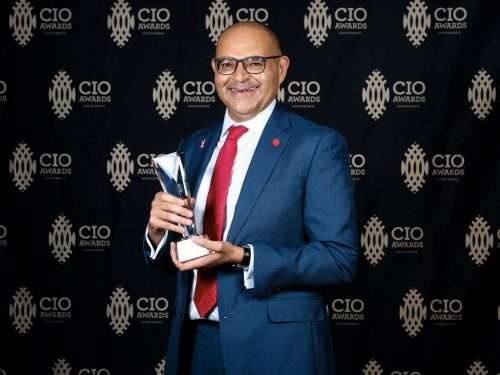
At Nutun, group CTIO Hans Zachar found his pipeline inside his own call centre. Agents working night shifts while studying during the day get identified early, then moved through bursaries and mentorship into full-time technology roles.
“Our grassroots talent pipeline is a key strength,” he says. “Many of our top performers started as agents from our 6,000-strong frontline, effectively balancing both work and studying to qualify for technical roles. Through bursaries and mentorship, they have made the transition, lowering our average team age and injecting fresh energy across business.”

No glass ceiling, just sideways moves
Kevin Fredericks, head of technology at Edward Snell & Co., fills skills gaps by developing talent from within, giving employees opportunities to shadow new roles, expand their skills and progress into new positions as the business evolves.
“I foster growth by cross-pollinating skills, allowing team members to shadow new roles and develop internally,” Fredericks explains. “For example, we promoted a helpdesk technician to systems engineer, showing there’s no glass ceiling.”

Irwhan Rakiep, CIO at Metropolitan Life, weighs emotional intelligence and resilience alongside technical ability when building his pipeline which leans on learning culture, mentorship and resilience alongside technical skill.
“While we can’t always match global tech salaries, we offer meaningful work, growth opportunities, and a strong learning culture,” Irwhan says. “We benchmark salaries and make strategic exceptions to secure talent and invest deeply in junior talent, mentoring and developing our pipeline from within.”