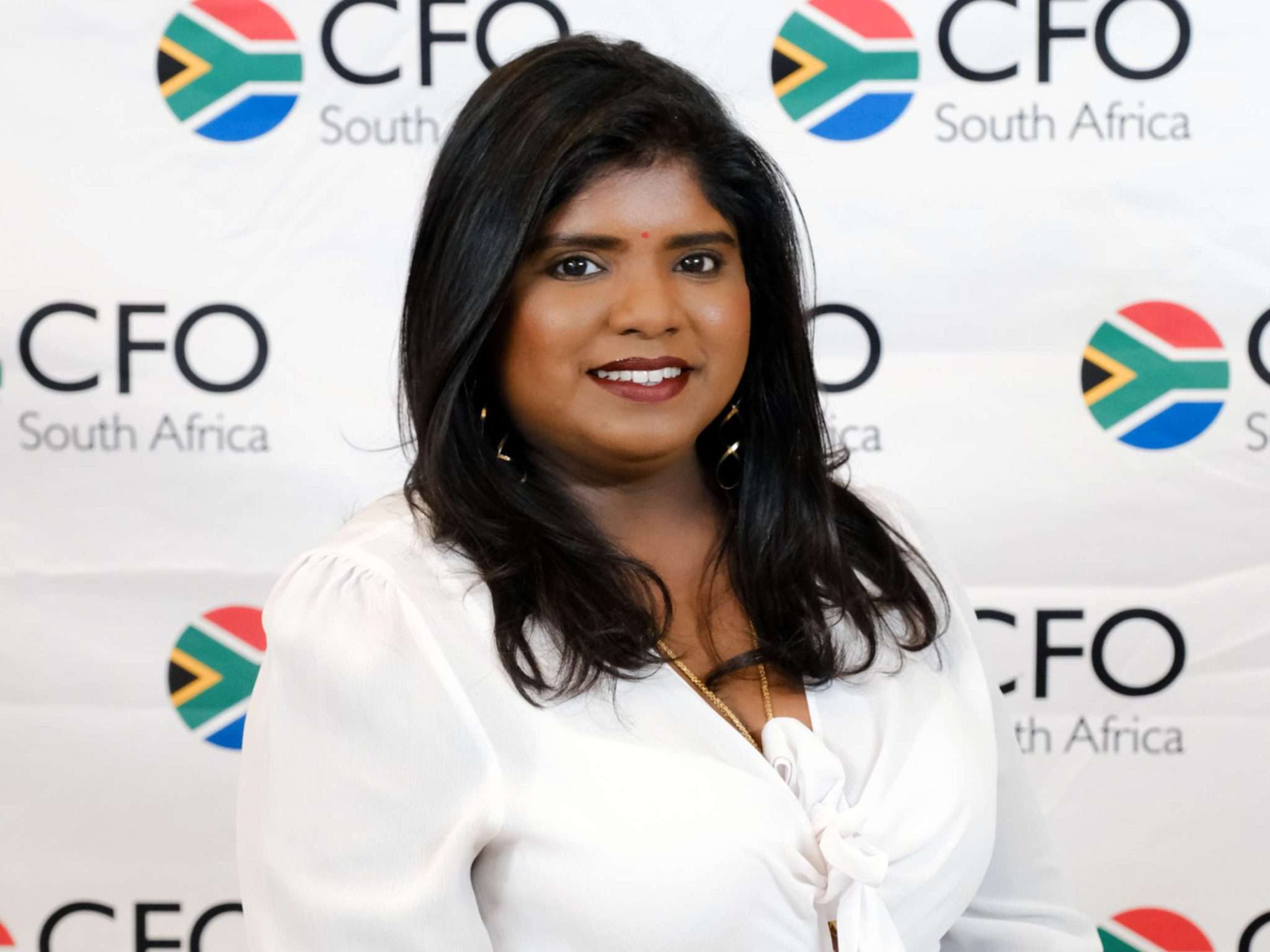
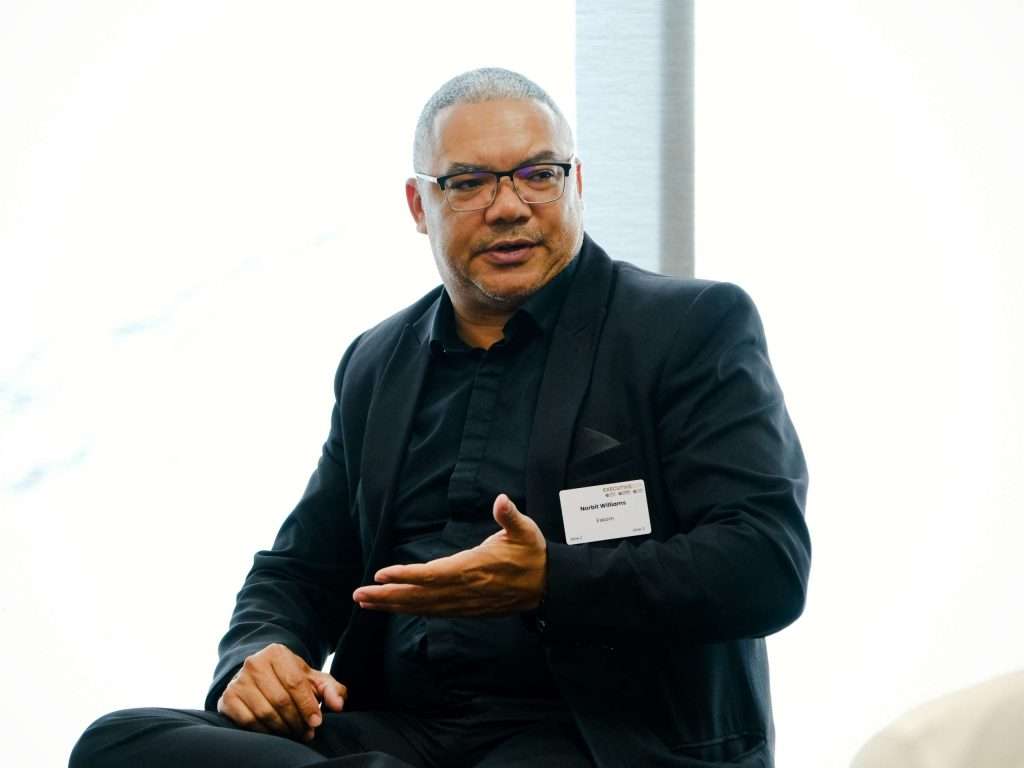
Eskom acting general manager for supplier management IT and OT Norbit Williams explains why he gave his team a day to “do whatever you need to do, as long as you don’t get into jail” – and why revenue means nothing if the people generating it are burnt out.
At Eskom, a 103-year-old parastatal with 42 000 people and a workforce that averages 15 to 20 years of tenure, change doesn't move fast. So Norbit Williams, the utility's acting general manager for supplier management IT and OT, has found an unconventional pressure valve.
He calls it “Effort Day”. Speaking at a breakaway session titled Navigating Change Fatigue – Moving Fast Without Breaking Trust at the 2026 Executive Day hosted on 3 September, Norbit explained the rules of engagement to a room full of C-suite leaders: one day, no questions asked, to reconnect with yourself.
“As long as you don’t get into jail and make sure I don’t either,” he said, drawing laughs from the guests and co-panelists Steven Teasdale, Discovery's chief people experience officer and El Kope, chief financial officer at Cell C.
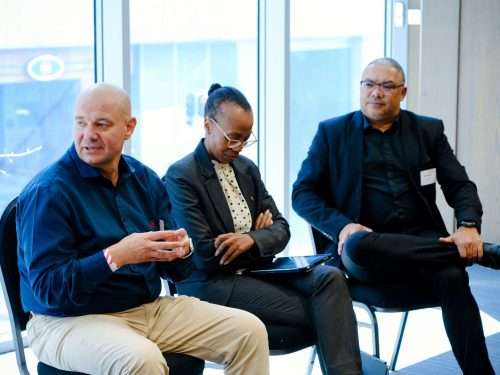
“It's a day to reconnect with yourself so that when you come back to the office, you are not 100 percent perfect, but it gives you an opportunity to get back to where you are.”
It sounds whimsical, but underneath it is a serious diagnosis of what happens inside legacy institutions under pressure. Norbit says Eskom carries “a legacy of people and a legacy in terms of technology”, and that natural career progression inside the utility doesn’t always come with natural talent growth.
Employees move from doer to manager because time served demands it, not because the skills follow – and then the instructions start raining down from the top.
His response goes beyond a single day off. Norbit runs quarterly connection sessions with roughly 40 to 50 people on his team.
These sessions are built around three simple checks: how are you doing emotionally, spiritually and physically?
“You don’t have to tell me your life story, but just connect,” he says. “It is amazing how much pressure it takes off, because you don’t always understand the challenges people go through on a daily basis.”
He is equally direct about the limits of shiny new technology, including AI, inside an organisation still running power stations older than he is. Norbit recalls a department head, years ago, demanding an iPad for no better reason than “Mr X has got one, so I also need one” – a device that sat unused within two months. “This is exactly the kind of thing we see with AI,” he says. “Everybody has heard of AI, so we want AI. But what do you want to do with it?”
For Norbit, people come first and then revenue follows. While Eskom’s mandate is to keep the country’s lights on, he is firm on his thinking that burnt-out people can’t run a utility, no matter how urgent the turnaround. “If you don't treat people well, it doesn't matter how much revenue they’re going to generate – you’re not going to get there.”