As businesses become increasingly dependent on digital infrastructure, investing in new technologies is only part of the challenge. Without the right skills, partnerships and visibility across their systems, organisations risk spending heavily on tools that fail to deliver the intended results.
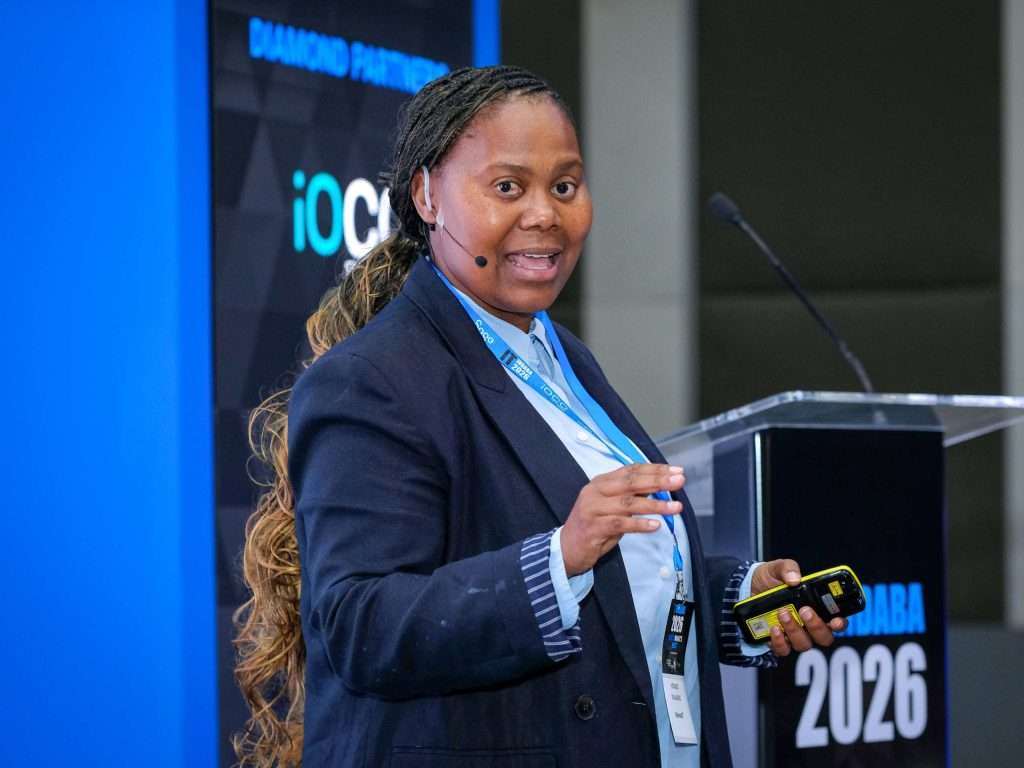
This was among the key messages shared by Ntando Dhlamini, BU lead: networking, security and observability at MakwaIT, during a presentation titled Built for disruption: How tech teams can develop real digital resilience at the 2026 IT Indaba.
“Now we want to redefine what resilience looks like. We don't want a system to just fail. We want a system to be able to anticipate failure, reroute the right level of intervention at the right time,” said Ntando.
As businesses integrate technologies from multiple providers, including cloud platforms, third-party applications and external partners, they introduce additional operational and security risks. Managing these environments requires skilled personnel, stronger data visibility and infrastructure capable of adapting to disruptions.
“One of the things we've recommended is to have a framework or model to make sure that you don't still have legacy environments within your ecosystem that require manual intervention,” Ntando said. Cloud-first architecture, supported by appropriate governance and access controls, can help organisations reduce manual intervention and manage increasingly complex digital environments.
The importance of partnerships
However, modernising infrastructure is only part of the solution. Organisations also need the expertise to manage the technologies they acquire.
“We very much take for granted that if you buy the right tool, you will get the answer. But if, as an organisation, you don't have the skills to leverage what you have bought, you can move on from one partner to another. But because you still do not have the skills or a partner you can collaborate with, you will find that you are not getting the value from the tools,” Ntando explained.
This contributes to what she described as “platform fatigue”, where organisations accumulate technologies without developing the internal capabilities needed to extract value from their investments.
The shortage of experienced technical professionals compounds the problem. While South Africa produces graduates with technical qualifications, Ntando pointed to the gap between academic training and the practical experience required to manage complex digital infrastructure.
Partnerships can help address this challenge by allowing organisations to access specialist expertise during complicated incidents without permanently maintaining every capability in-house.
Taking accountability
Another obstacle to resilience is the lack of shared accountability across technical departments. Drawing on her experience as a network engineer and later a security engineer, Ntando described how networking and security teams are frequently blamed when digital services fail, even when the underlying problem originates elsewhere.
During an incident, different technical teams may each establish that their respective systems are functioning correctly without identifying the actual cause of the disruption.
Integrated monitoring tools and business-context dashboards can help address this problem by giving teams a shared view of operational performance and enabling faster coordination.
Ntando also emphasised the importance of translating technical performance into business outcomes. Metrics such as mean time to detect and mean time to repair allow organisations to measure how quickly incidents are identified and resolved, while connecting technical operations to service availability and financial performance.
She illustrated this approach with an example of an organisation working towards zero downtime.
“In South Africa,” she said, “we have a lot of problems, we have power problems, we have skills problems. But then I sat in the room and listened around the different tools they were using. They didn’t have a one-size-fits-all mentality. They were looking at different technologies to solve different things.”
Technical teams could monitor system performance, while executives could assess service-level agreements and overall availability.