Now Alternative Prosperity is outsourcing most of its IT services to him.
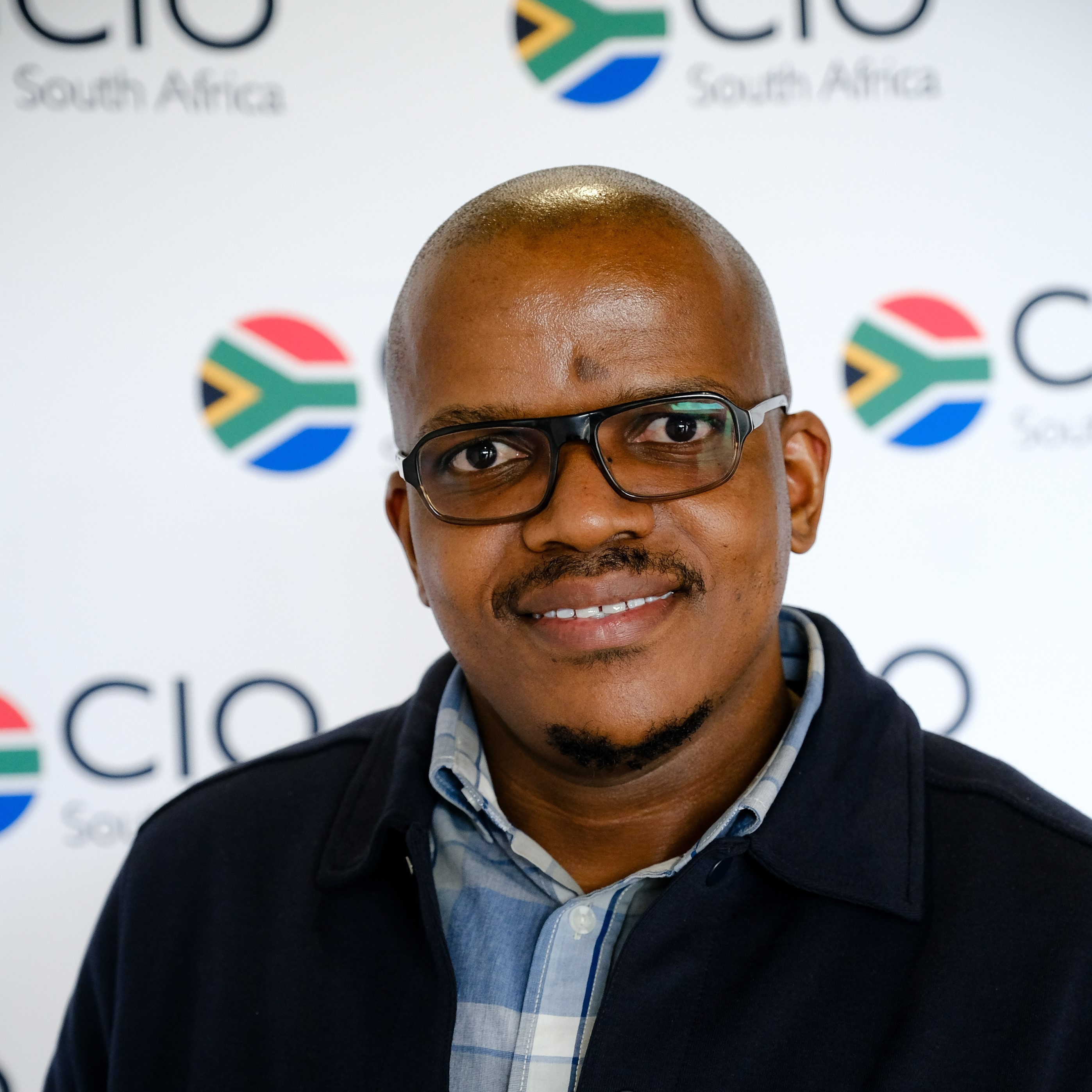
Warren Koopman’s decision to start his own company was influenced by holding company Alternative Prosperity (Apros). They considered several factors, including Warren’s job role and the fact that he already owned a company called Client Server.
“Client Server provided traditional IT services,” he says. “An idea arose to launch a cloud migration company called CloudFlow, which means that as Client Server passes on traditional clients who want to migrate to the cloud, and we would channel them to the new company, CloudFlow.”
Warren is essentially running two companies: Client Server, which assists companies that are not yet ready to migrate to the cloud, but still require traditional IT services, and CloudFlow, which assists companies that are ready to migrate to the cloud and exchanges clients between the two entities. Apros enters the picture as a holding company with several companies that use Warren’s services.
According to Warren, Apros’ decision to hire him as a service provider was a no-brainer. “Apros was considering changing the IT model to a hybrid model in the event of outsourced IT services,” he explains. “However, the service provider to whom we outsourced at the time was not delivering at the speed that we had preferred.”
Apros went on to look for an alternative vendor, and while doing so, the CEO asked Warren about his next career move, and he mentioned that he wanted to test the entrepreneurial waters himself. “Eventually, Apros’s CEO decided there was no need to look any further because I was the ideal candidate for the job,” Warren says.
“We know you, we know what kind of work you do, we know the quality of work you deliver, and we want to invest in you,” the CEO said.
Warren is particularly enthusiastic about virtual reality (VR), which he was instrumental in introducing at Apros, and which is now a key feature of his own company he wants to grow.
What does the future hold?
Although CloudFlow is still a startup, Warren has big plans, including growth and expanding his client base, but not just by bringing on big clients. “I’m also targeting small businesses,” he says. “This is because it doesn’t make sense to me to only target big businesses and make huge profits while failing to deliver quality products or services.”
For him, the quality of service and the ease of technology within various companies are top priorities. “Over and above that, I want to shift mindsets toward IT, so that it is no longer viewed as an expense, but as a benefit, and not just as a support function, but as a business unit in its own right,” he concludes.