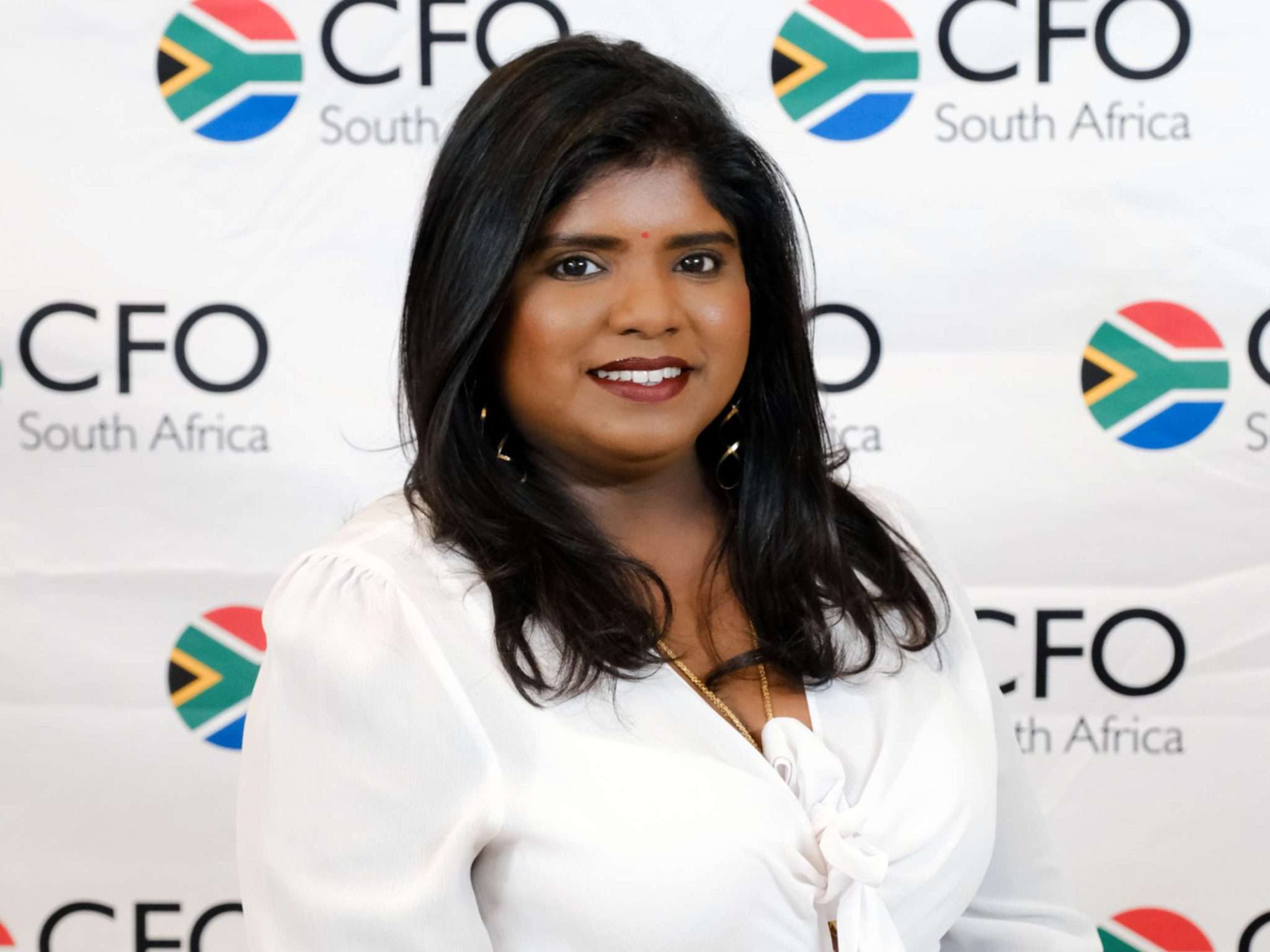
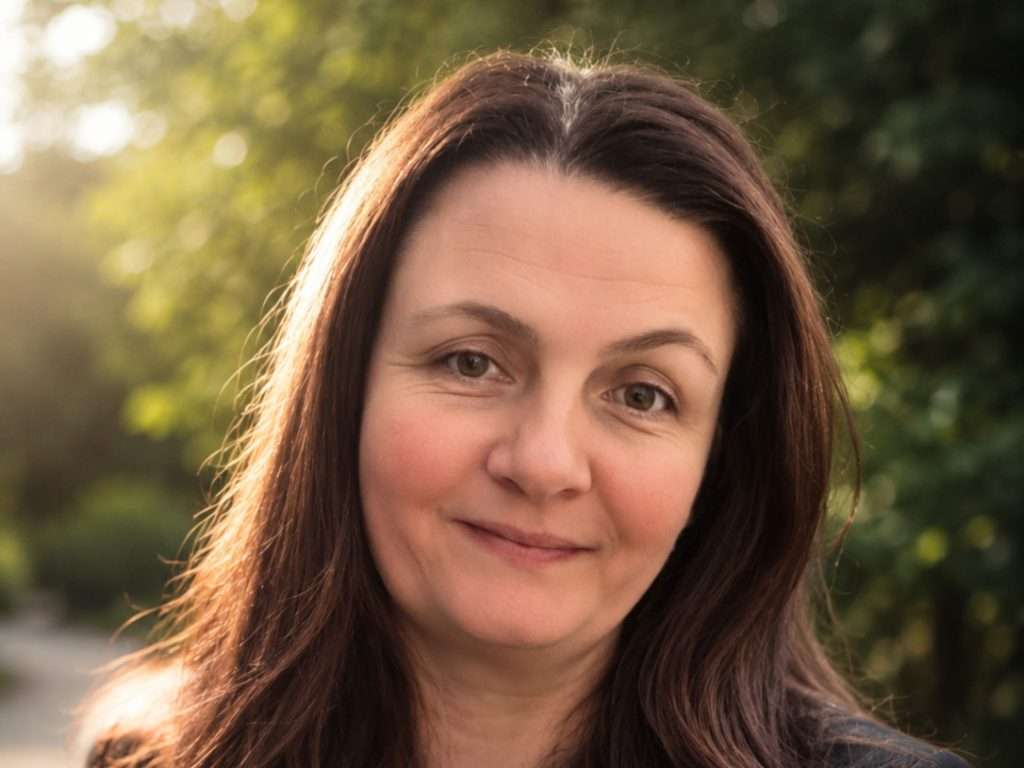
When Astute FSE chief information officer Michelle Taylor stepped into a cybersecurity role before she felt ready, the risk paid off – helping her company become the first ISO 27001-certified fintech in South Africa.
Michelle Taylor, chief information officer at Astute FSE, has built a full-stack IT career since 2004, moving through help desk support, service management and operations. But one decision defined her path more than any other. In 2017, she stepped into cybersecurity before she felt ready for it. That risk paid off.
“In 2017, my passion for cyber and information security truly took hold. From that point, a new chapter in my journey began. I was fortunate to work with a managing director who saw potential in me and created space for me to grow in this area.”
Michelle was already deep into operations and infrastructure work. Shifting focus meant learning cybersecurity from a standing start, in a field that was still maturing in South African fintech. But the bet worked and she helped guide her company to become the first ISO 27001-certified fintech in South Africa.
“It remains one of the milestones I am most proud of, because it demonstrated what is possible when trust, opportunity, preparation and purpose come together,” Michelle says.
An eternal student
Michelle’s career didn’t start with a strategy. It started in 2004 with A+, N+ and S+ certifications while she worked the IT help desk. She kept adding to that foundation for years, stacking certifications and development programmes on top of each other long after most people would have stopped.
“Over the years, I continued to invest in myself by completing multiple certifications and formal development programmes, each one helping me build confidence, deepen my technical knowledge and broaden my understanding of leadership and business,” she explains.
The habit peaked with her MBA, which she completed in 18 months instead of the usual four years. She balanced a demanding job with an accelerated course load, and the pressure taught her lessons no textbook could. It sharpened her judgement, tested her discipline and forced her to prioritise ruthlessly.
That same appetite for learning carried her through service management into operations, systems and infrastructure roles.
“I spent a number of years in service management before progressing into operations, systems and infrastructure management roles. During this time, I gained a deeper understanding of the full IT landscape, including the operational realities of managing contractors, vendors, agreements, service expectations, risk, resilience and business continuity.”
That breadth of experience gave her something many technical leaders lack: a view of IT as a business function, not a silo.
Leading through transformation
As chief information officer, Michelle now carries a different kind of weight. She has to keep today’s systems running while pushing the organisation towards the future, and those two goals don’t always pull in the same direction.
“This means modernising platforms, strengthening governance, improving resilience, enabling innovation, managing risk, supporting people through change and ensuring that technology investments deliver real business value. The challenge is not only technical; it is also about people, pace, prioritisation and creating alignment across the organisation.”
Leadership, according to Michelle, means creating opportunities, removing obstacles and helping people recognise their own potential – titles and hierarchy are not a factor.
That belief shapes how she sees the next wave of change hitting IT. AI, she says, is the next frontier for South African IT leaders, but only if they pair it with strong governance.
“South African organisations have a real opportunity to use AI responsibly to improve decision-making, unlock insights, reduce friction and create more inclusive digital services. At the same time, we must approach AI with strong governance, ethics, security, transparency and accountability. The CIO role will increasingly require the ability to balance innovation with trust.”
Advice for the next generation
Looking back, Michelle is candid about what she’d tell her younger self before stepping into the chief information officer seat. Technical skill gets you in the door but it’s not what keeps you there. She’d tell herself to build emotional resilience, financial discipline and the courage to decide with incomplete information.
“It requires you to translate complexity into meaning, bring people with you, protect the organisation, enable the business and still remain grounded enough to support your team. The job is not only about technology; it is about trust, influence, stewardship and impact."
For CIOs coming up behind her, Michelle points to adaptability with purpose as the mother of all skills.
“Technology will continue to change, and the pace of change will only increase. CIOs who succeed will be those who can learn continuously, understand the business deeply, lead people through uncertainty, communicate clearly, manage risk responsibly and use technology to create meaningful value. Those who focus only on tools may get left behind. Those who combine technology understanding with human leadership will make the greatest impact.”
What keeps her grounded
Outside the office, Michelle reads and listens to podcasts that stretch her thinking on leadership and resilience. She also likes experimenting with AI tools in everyday life, exploring how they can make writing, planning and decision-making a little easier and sometimes even a little more fun. When she is not testing new ideas, she can often be found capturing special moments for friends and family through photography, helping to preserve memories and reminding everyone to pause, smile and enjoy the now.
For Michelle, a meaningful IT career was never about the technology itself. It’s about the people who grow because of it. She has found her purpose in developing others, and she measures her legacy not by the systems she’s built but by the confidence she’s helped other people find in themselves.