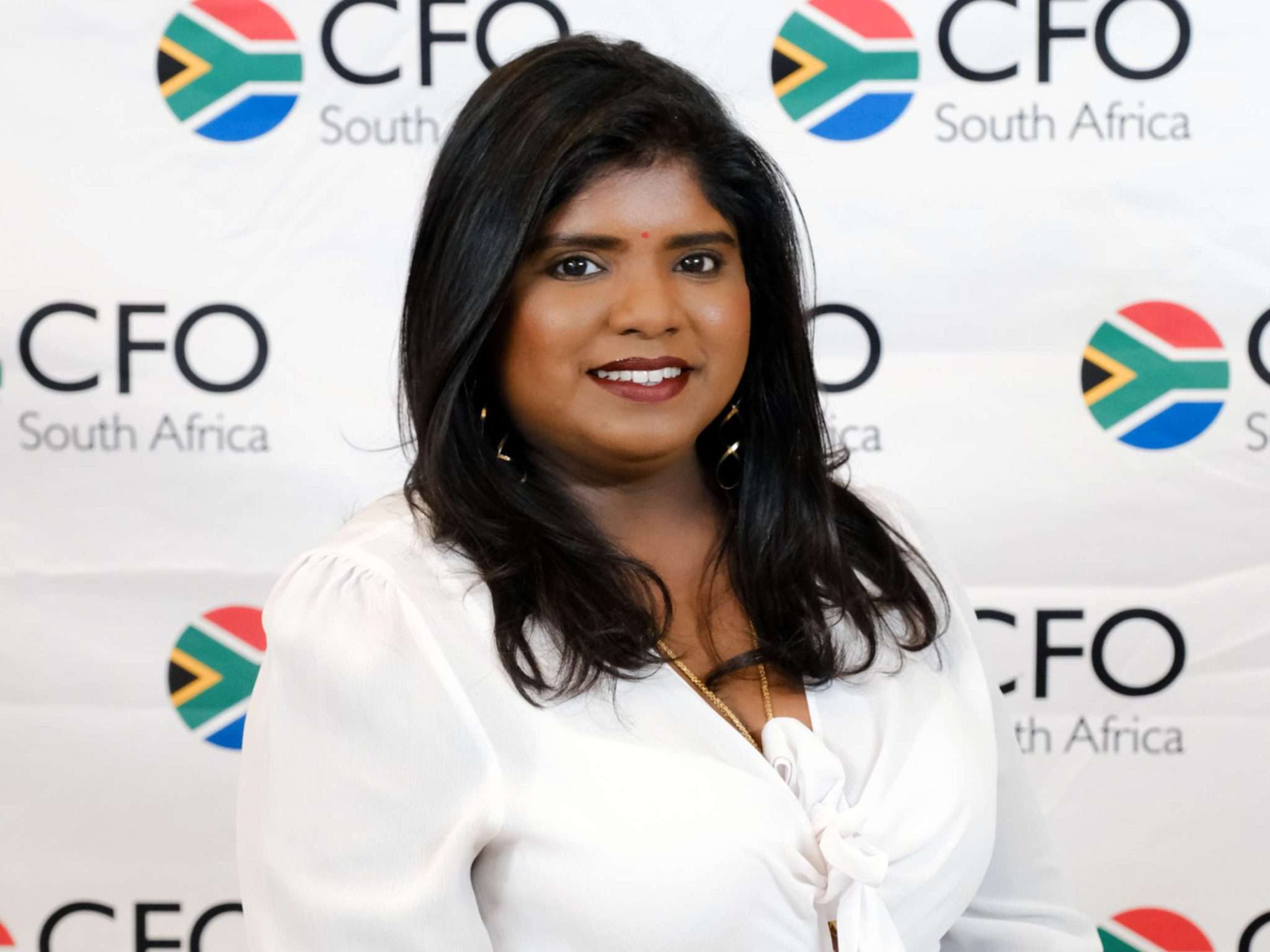
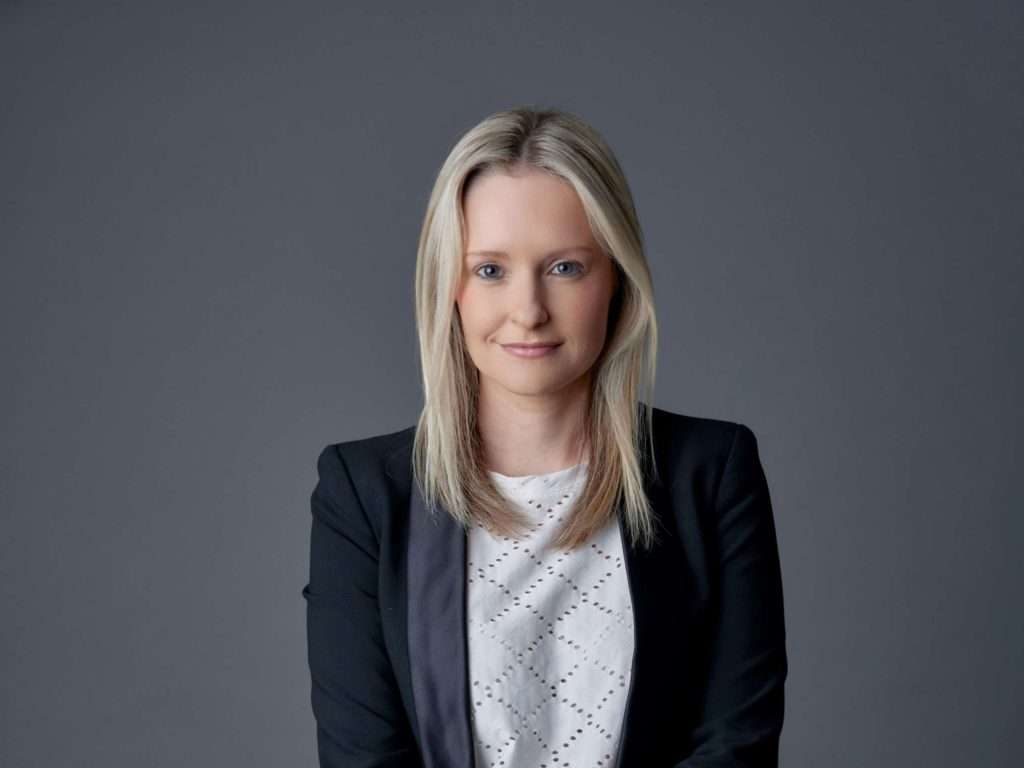
CIO South Africa recently caught up with Jean Scheltema, CIO at Wesgro and here is what she shared about her job.
What makes you excited to get up in the morning?
I’m lucky enough to work for an organisation that gives me an immense amount of purpose.
Wesgro is the tourism, trade and investment promotion agency for Cape Town and the Western Cape. Alongside partners, we work to grow the economy and ensure that the destination remains competitive. By the nature of our work, it’s easy to be inspired each day. Working to attract FDI, help local businesses re-invest, internationalise and grow - we can really feel the impact that we have on the economy and on people's lives.
I spent more than a decade in the private sector in advertising before moving into the public sector and the work that I am moving forward now has tangible, large-scale impact and the potential to make a real difference.
The diversity of work keeps me inspired. We have three mandates: tourism, trade, and investment. Whilst this is broad and requires ruthless focus, there is never a shortage of complexity, and the beauty of that is that you're able to really hone problem-solving opportunities often.
I lead the knowledge and technology strategy at Wesgro - we are on a journey to becoming a platform business and there is much work still to be done, but I’m eating the elephant one chunk at a time.
Enabling the organisation to achieve scale, scope and speed, to remain future-fit, relevant and trusted, is what I’m passionate about and I’m confident we are building a dynamic digital future. We do a lot with very little here at Wesgro and look for smart new ways to best serve our clients, which also lends itself to an innovation culture that I am proud to be driving along with my fellow executives. A recent example is a collaborative innovation pilot: an AI-powered WhatsApp chatbot that serves as an effective instrument for collecting high-quality, structured data on investment barriers at scale, while preserving the privacy of respondents. The pilot provided the basis for developing a national rollout plan.
What keeps you up at night?
The irony is that everything that excites me, keeps me up at night. I care deeply about the work. I am always “people-first” and building a team with resilience and readiness is central to my leadership style. Ensuring I move the culture at the right speed at the right time for the organisation, so that I don’t move too fast for the business. I’ve had to slow down a few times.
Attracting the right skills for the future of the organisation keeps me up at night, as well as helping others to upskill and move with the rate of digital change.
Artificial intelligence keeps me up at night. We're all grappling with it, aren’t we? We've started to use it in meaningful ways, starting with democratised access and training. It has shone an even brighter spotlight on data management; it has put pressure on the right parts of the business in many ways, helping us to evolve. I'm always conscious of balancing the human elements of it and cross-disciplinary teams are part of both exploration, implementation and governance.
I’m able to spot quite quickly what works and what doesn’t, to abandon easily when necessary. But I am also not immune to failure. Building a culture of “fail, fast, forward” has meant finding workable solutions, not always perfect ones. These have also kept me up at night.
Diversity and resilience are always on my mind. I'm passionate about young people and always give them a seat at the table, but also value people that have really honed their professions and craft over time, that build resilience in the face of challenges and that can problem-solve easily. I spend deliberate time on rallying diverse thoughts in each initiative – makes for a far richer outcome.
What is the biggest shift you have had to make in how you lead or think about your role in the last 12 to 18 months?
I spent 20 years in marketing, five of those as a chief marketing officer. I came from a digital background and worked on some of the biggest brands globally.
Moving into a commercial role and then into the CIO role were brave moves I was ready to take. When you spend decades defining an identity for yourself, the biggest move is to free yourself from that identity eventually. I came to the realisation that I am a transversal leader and that I am not building a career journey, but instead a capability journey. I’ve honed certain capabilities over time and these are applicable to more than one designation. It was liberating to realise that they can be applied in many fields. There is an immense amount of creativity inherent in systems work for example, in technology, in digital and in helping people actualise.
When you eventually step away from this role, what do you hope to have left behind?
I would like to leave behind a legacy of pioneering smart new ways. If Wesgro is able to meet the new world of technology advancement, to service our local and international clients better as a platform business, then I will feel satisfied that I was able to take us into the next age and stage of delivery.
Most importantly, I would like to leave behind a well-functioning team that no longer needs me, a happy team that wants to come to work in the morning, and a resilient organisation that can withstand the rate of change and global shocks. If I can do all of these things, then I certainly will feel that I have at least left a solid jumping off point for those who follow into the role.