For panellists at the recent 2025 IT Indaba session on agentic AI, the conversation about artificial intelligence was about meaning rather than machines.
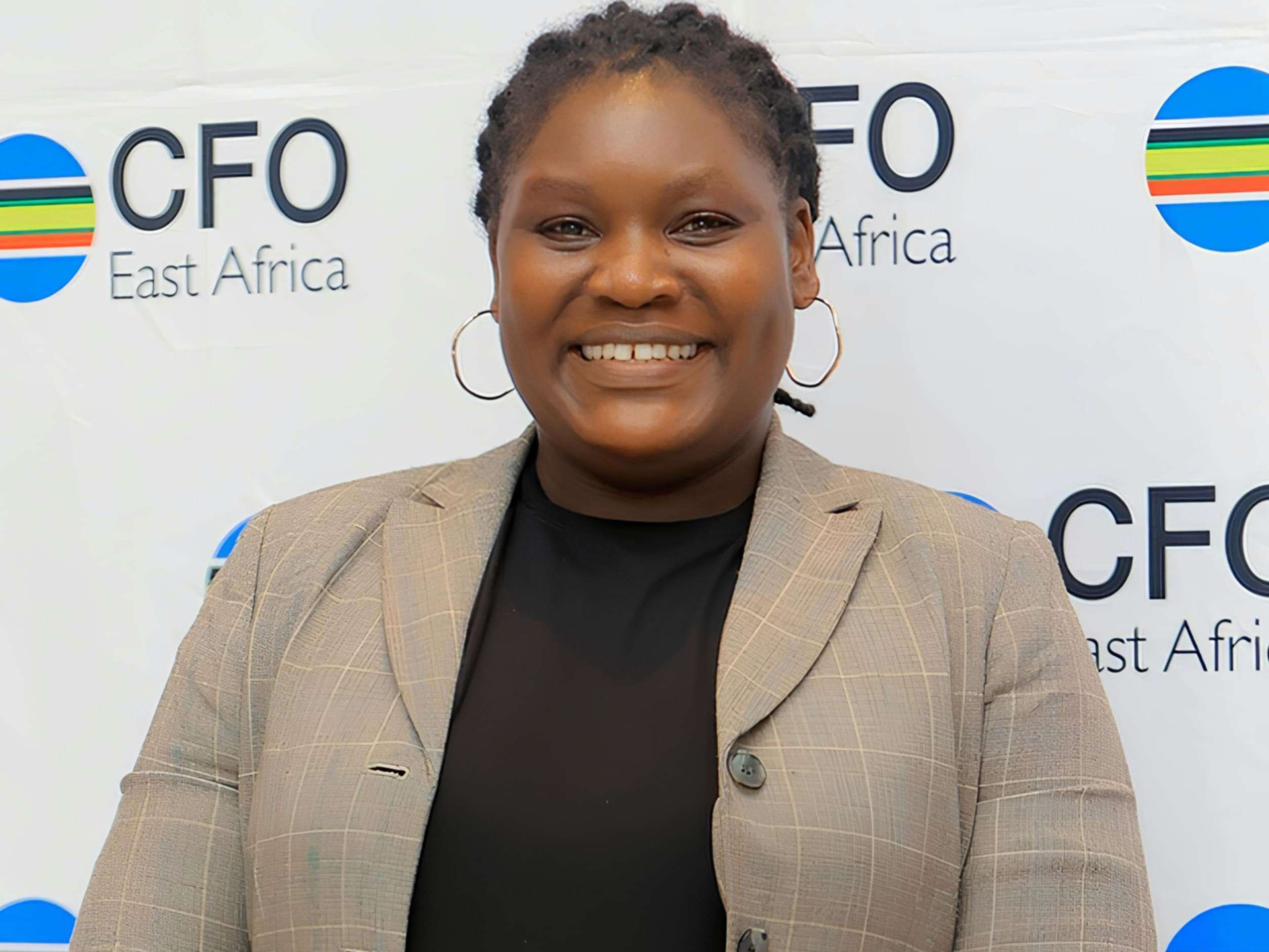
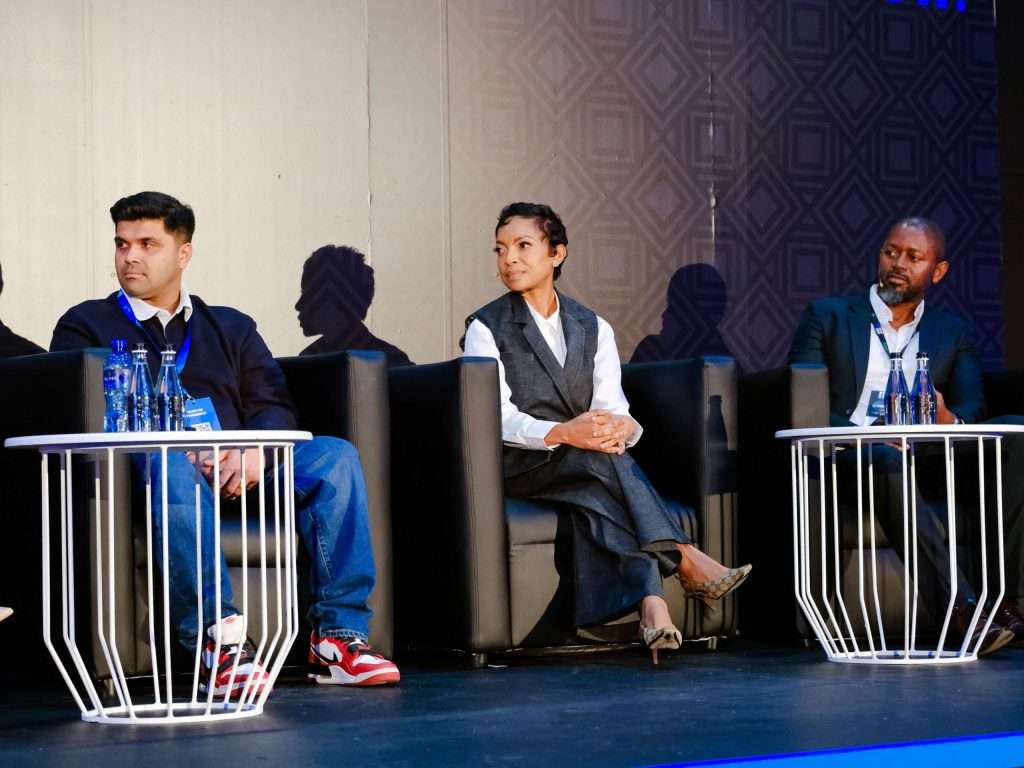
Agentic AI represents a step beyond traditional analytics, where systems are able to anticipate user needs. In a panel discussion at the 2025 IT Indaba, IT leaders observed that organisations have grown too quick to deploy tools before defining their purpose. The session, which featured BDO South Africa chief information and digital officer Khaya Mbanga, Nedbank group technology executive Makopi Nkopodi and Virgin Active South Africa group chief data officer Ankit Shah, opened with a challenge to rethink AI as a business instrument.
“I’m someone that’s passionate about humanising technology. I’ve studied technology, and I know how complex it can really be, so my passion is to humanise it and simplify it in a way that anyone can understand. A lot of organisations are making a mistake of rushing into implementing tools without really understanding why. Without linking your tool with the outcome, you are wasting both time and money,” Makopi said.
She described the rise of ‘white elephants’, where leaders chase trends instead of solving problems, resulting in expensive, unused systems. She reckoned that any AI initiative must begin with defining the business objective, identifying who will use the tool and measuring what success looks like. Only then can a company test whether its investment truly moves the needle. Key to this is the ability to ask better questions.
“I was in New York and used ChatGPT to plan my trip. The first prompt gave me an itinerary that missed what I really wanted, so I refined it, added conditions and got the perfect result. The point is we prompt to get a result and then configure until we reach the desired one. The more you use it, the more you learn how to get the outcome you need,” Khaya said.
He argued that the clarity of a prompt determines the quality of AI insights. By improving the precision of their prompts, users teach systems to produce outputs that are relevant and reliable. But as Ankit noted, this approach also depends on the organisation’s readiness.
“You need proper data frameworks, proper security guardrails and streamlined processes because AI can actually be a multiplier of chaos. We have started to consolidate data across nine countries and ensure access is properly governed. You do not want your AI to hallucinate or become ambiguous,” he said.
The skills of the future
Ankit revealed that Virgin Active is using AI to educate both staff and members through multilingual videos and interactive guides. The aim is to build comfort by showing how AI can remove repetitive work and allow people to focus on higher-value tasks. He believes that within three years, relevant workers will have engaged with AI in some form.
“We need to give assurance that AI is not just there to take jobs away but to help us do something we cannot get to today. If we start looking at it from that angle, it will help everyone,” he said.
Makopi also touched on data literacy, calling it the new universal skill. She said that every employee should understand data as information about people, products and experiences. According to the Nedbank executive, the future belongs to those who pair technical skill with human understanding.
“There is so much power in data that is under-utilised because people do not understand it. We should be able to use agentic AI tools to offer real-time solutions that bring empathy into the process. Data literacy, problem-solving and product thinking should be taught even in schools,” she said.
Khaya added: “Different organisations are at different levels of data maturity. Ultimately, you want to get to a place where people do not have to send an email to IT to get a report. You build prompts that fetch the data directly and cut out the dependency. You retrain those teams to work with the new tools, giving them fresh purpose and creating space for creativity.”