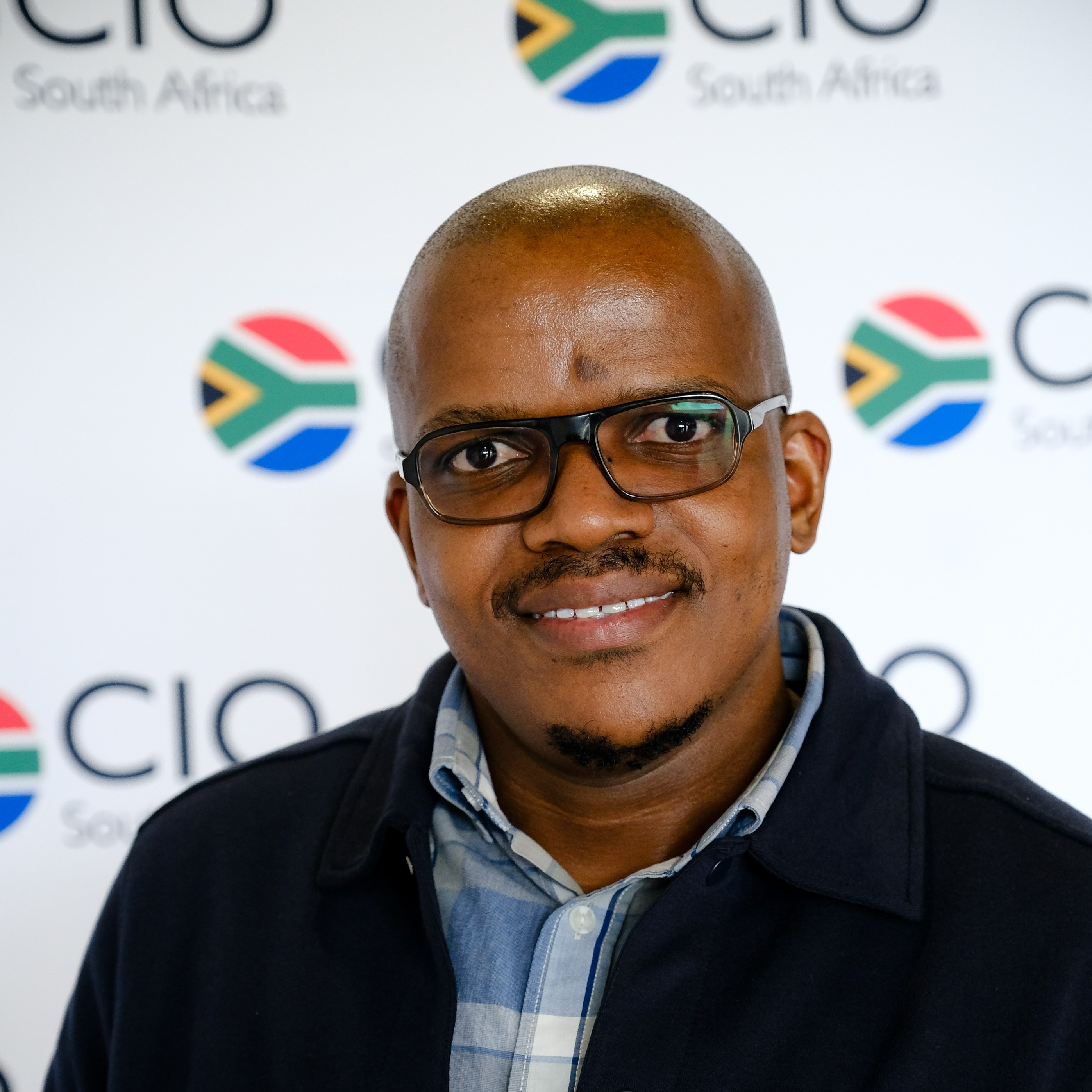

Pieter Steyn recently ventured into corporate executive coaching, guiding senior executives and colleagues across diverse industries over and above his day-to-day job of leading IT in the aviation space. He shares the purpose behind his coaching journey and reflects on the mentors who have shaped his leadership path.
Pieter believes emotional intelligence and self-awareness are critical yet often overlooked components of senior leadership, and that honing these skills is just as important, and just as underestimated, as technical or strategic expertise.
“I introduce them to structured frameworks like the Observe, Orient, Decide, Act (OODA) loop to enhance decision-making under pressure, and Stop, Observe, Speak (SOS) to encourage thoughtful, intentional leadership interactions. Energy management plays a significant role in leadership, and research supports its impact on decision-making and influence,” he says.
“Mastering this requires deliberate energy management; understanding when to push forward and when to step back is crucial. Many leaders excel in decision-making, driving short-term results, and executing elements of strategy. However, they often struggle to grasp how their leadership style shapes both their teams and the broader organisational culture,” he explains.
Pieter also encourages executives to take a step back and apply the SOS approach to assess their interactions. Being mindful of how their actions affect others is crucial. This intentional pause enables leaders to move from reactive behavior to thoughtful responses, fostering greater emotional control, and self-awareness.
“This is a skill that demands continuous practice, reflection, and refinement; without these, progress remains limited. The key is shifting from reacting to responding, leading with intention rather than impulse. I struggled with this for many years as a young leader. Active listening, empathy, and situational awareness are non-negotiable skills, and I guide executives through real-world scenarios to develop these instincts. It's crucial to provide coaching opportunities for both senior leaders and mid-management to develop these skills,” Pieter adds.
Common challenges for aspiring tech leaders
Pieter highlights the shift from being problem-solvers to becoming visionaries as one of the greatest challenges aspiring tech leaders face. While many possess strong technical skills, they often struggle with delegation, communication, and aligning technology with broader business objectives. His proposed solution? A fundamental mindset shift.
“I help them move beyond the mindset of ‘doing’ to ‘leading’ by focusing on strategic thinking, stakeholder management and decision-making under uncertainty. Humans naturally seek certainty – it provides comfort and stability,” he says. “However, leadership often involves managing uncertainty. While spontaneity has its place, prolonged uncertainty can be unsettling.”
Then there’s overcoming imposter syndrome as a leader, a challenge Pieter admits he too had to navigate through and still does today.
“It’s an ongoing battle,” he confesses. “But recognising it is the first step toward managing it. I remind mentees that leadership isn’t about having all the answers; it’s about making informed decisions and empowering teams. Another widespread challenge, seen across industries, is that we often set individuals up for failure.”
Pieter uses a highly skilled senior developer as an example, who suddenly finds themselves in a CTO role or leading their own company. He points out that this transition is massive, yet support systems are often lacking, and it’s a completely different game.
“I wish companies provided these individuals with the tools to succeed,” he hopes. “Some organisations invest heavily in leadership development, but many don’t, leaving new leaders to navigate uncharted waters alone. Making this transition is tough. You need support, coaching, mentorship, and ongoing education, it’s essential for success,” Pieter continues.
He believes having a coach during this transition is invaluable, especially one who can alternate between the roles of coach and mentor. For Pieter, it’s about having someone who understands the pitfalls and can offer the right guidance to navigate them with confidence and clarity.
Lessons on mentorship
Pieter makes it a point that if leaders didn’t play a critical role in his journey, he wouldn’t be where he is today. These are leaders who guided, challenged his thinking and gave him space to grow, and even shaped his own leadership style.
“I have been fortunate to have several mentors in my career, and I owe so much to them. Three in particular have played a lasting role, and one continues to actively mentor me. They have been pivotal in shaping who I have become and the opportunities I have been able to leverage. At times, they were tough to work with, when you’re young, ego plays a big role. But true leadership leaves little room for ego. I’ve learnt that humility is a far better approach,” he remembers.
Pieter’s mentors come from diverse backgrounds, yet all share a common thread of success. He distinguishes mentorship from coaching, describing it as a two-way relationship where both individuals grow. Interestingly, none of his mentors came from his field, yet their guidance, sometimes tough, had a profound impact on his development. He considers himself fortunate to have learnt the value of surrounding oneself with people who challenge, believe in, critique and support you – those who help break bad habits and build better ones. “Every leader,” he says, “should seek a mentor.”
In the mentor’s chair, Pieter shares that he has mentored several individuals, with a mix of successes and a few misses along the way. He’s quick to note that mentorship isn’t for everyone; it demands significant energy, time and skill. Much like the balance between technical proficiency and strategic thinking, he believes it ultimately comes down to perspective.
“A great executive understands technology, but they don’t get lost in it. I coach leaders to see tech as an enabler of business outcomes, not just as a set of tools or systems.”
If you want to stand out as a potential mentee under Pieter’s guidance, start by demonstrating curiosity, resilience and adaptability. He looks for individuals who challenge assumptions, take initiative and are willing to embrace growth, even when it’s uncomfortable.
“My role is to help them move beyond their comfort zones, expose them to real-world leadership challenges, and sharpen their decision-making instincts. The aim is to develop leaders who not only understand technology but can also leverage it to drive business success, both in times of growth and in times of adversity,” he explains.
Pieter finds deep resonance in the words of John Gretton ‘Jocko’ Willink Jr., American author, podcaster, and retired Navy officer: “For leaders, the humility to admit and own mistakes and develop a plan to overcome them is essential to success. The best leaders are not driven by ego or personal agendas. They are simply focused on the mission and how best to accomplish it.”