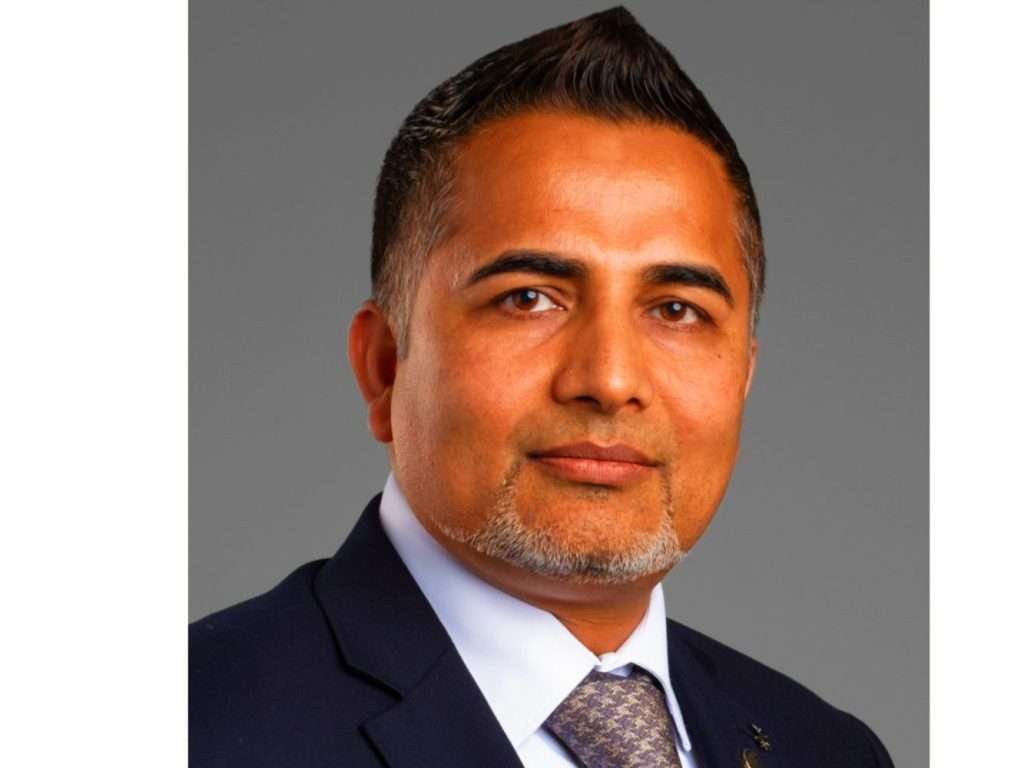
Preferred Provider Negotiators (PPN) CIO Dr Kader Saiod explains why technology leadership is no longer defined solely by delivering IT projects, but by creating measurable business value, managing risk and enabling responsible innovation.
CIO South Africa caught up with PPN head of IT Dr Kader Saiod to discuss his evolution as a technology executive, his approach to responsible innovation and the importance of developing confident, accountable teams.
As artificial intelligence rapidly reshapes organisations, CIOs are being challenged to rethink both their responsibilities and their measures of success.
Kader explained that his role has changed from managing technology systems and projects to influencing enterprise strategy and measurable business outcomes. For him, modern technology leadership requires AI, data, cybersecurity, governance and business strategy to be treated as interconnected priorities rather than separate conversations.
Beyond technology, he believes CIOs also have a responsibility to mentor emerging leaders and create teams that can continue improving independently.
What makes you excited to get up in the morning?
What excites me most is seeing technology produce meaningful outcomes for people and organisations. That could mean applying AI to strengthen healthcare processes, simplifying a complex operational workflow, or helping executives make better decisions through trusted data.
I am equally motivated by developing people. Seeing team members grow in confidence, challenge established thinking and take ownership of important decisions is one of the most rewarding aspects of leadership.
What keeps you up at night?
The widening gap between the speed of technological change and an organisation’s ability to govern and absorb it responsibly. AI is advancing rapidly, cyber threats are becoming more sophisticated, and organisations are under pressure to innovate before their people, processes and governance structures are fully prepared.
The challenge is therefore not simply adopting new technology. It is ensuring that innovation remains secure, ethical, explainable and aligned with genuine business needs.
What is the biggest shift you have had to make in how you lead or think about your role in the last 12 to 18 months?
The biggest shift has been moving from leading technology as a function to influencing the organisation as a business executive.
A CIO must still ensure reliable systems, strong cybersecurity and disciplined delivery, but those are now foundational expectations. The greater responsibility is to connect technology investment to revenue, operational efficiency, customer experience, risk reduction and long-term organisational resilience.
This has changed how I communicate and prioritise. I increasingly begin with the business outcome, establish how success will be measured, and then determine how technology, data and people can enable it.
When you eventually step away from this role, what do you hope to have left behind?
I hope to leave behind an organisation that is more capable, not merely more technologically advanced.
That means a strong digital foundation, responsibly governed AI, trusted data and a culture in which innovation becomes part of everyday decision-making. Most importantly, I want to leave a team with the confidence, judgement and authority to continue improving long after I have moved on.
If the organisation remains stronger and the people I have led go on to become influential leaders themselves, I would regard that as a meaningful legacy.
Leadership is not measured only by the technology we deliver, but by the value we create, the trust we establish and the leaders we develop.