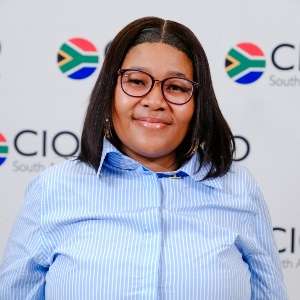

An industry leader and fintech expert, Kobus Botha, Prescient’s group CTO unpacks what it takes to build an ICT career that spans over two decades.
Kobus shares insights into his journey from finance to technology leadership in this exclusive Q&A with CIO South Africa. He discusses the importance of fostering innovation, embracing digital transformation and maintaining regulatory compliance in the financial sector. Additionally, Kobus highlights how he has cultivated talent and led with purpose throughout his career of over 25 years.
Q: How did you first become interested in a career in IT?
A: Right after graduating with a bachelor of commerce, I started my career in the finance department at Sanlam. My main responsibilities included looking after the sport club’s budget reporting and managing the bad debts account. Back then, I was among a handful of employees lucky enough to work on an actual computer, while most others entered data using basic terminals.
I quickly took to the PC, discovering all sorts of features in the spreadsheet programme (which was Lotus 1-2-3 at the time). As someone who’s always enjoyed working with statistics, it didn’t take long for me to start creating vibrant pie charts to liven up my reports. Soon, other computer users in the office noticed my graphs and began asking me how they could make similar charts.
Before long, I became the team’s unofficial go-to person for IT troubleshooting and training. While I still liked the accounting side of my job, I found myself getting more excited about what computers could do for us and the new efficiencies they unlocked. That passion led me to apply for a position in the investment department (which would later become SIM), and happily, I got the job. The rest, as they say, is history.
Q: What are some of the key initiatives you’ve led since joining Prescient in 2021 and how have they impacted business and the client experience?
A: Since joining Prescient, I have led initiatives that have improved both business operations and the client experience. I’m focused on building a culture of accountability and a commitment to excellent service. I also championed digital transformation through modern technology adoption and continuous team development to keep us ahead of industry trends.
One example was leading the complete replacement of our outdated intranet with a cutting-edge, cloud-based platform tailored for today’s digital workplace. The new system leverages the latest technology trends – including AI-driven personalisation, mobile integration and interactive social features.
Q: How do you think the role of a CIO and the relationship between IT and business will evolve over the next five years?
A: In the next couple of years, I believe the role of the CIO is shifting from managing IT infrastructure to being a strategic business leader driving digital transformation and innovation.
CIOs will partner even closer with the C-suite to align technology with business goals, especially focusing on emerging tech like AI, while ensuring regulatory compliance and sustainability. The IT-business relationship will become more integrated, with CIOs bridging technology and business value.
Q: How do you cultivate a culture of innovation within your team, and what measures do you take to promote creative thinking?
A: To cultivate a culture of innovation within my team, I focus on creating an environment that encourages experimentation, open communication and collaborative problem-solving. I also allocate time and resources for innovation initiatives, such as creating sandbox environments where the team can explore emerging technologies that could benefit the business.
Additionally, I invest in continuous learning by providing access to online training and making time available for team members to use resources like the AWS Skills Centre. This commitment to skill development ensures the team stays current with the latest technologies and industry trends, which in turn fuels creative thinking and drives innovative solutions.
Q: If you were not in IT, what other profession would you pursue? Any dream careers you've had to put on hold?
A: If I weren’t in IT, I’d look for roles that emphasise analytical thinking and problem-solving, like data science, equity trading or statistics. I’m drawn to data science because it blends statistical analysis and machine learning to reveal insights.
Equity trading excites me for its fast pace and the challenge of making strategic decisions under pressure. As a statistician, I’d enjoy using mathematical rigour to tackle real-world challenges.
Q: How do you unwind outside of work? Are there any hobbies or interests that help you maintain balance?
A: Maintaining balance outside of work is very important to me, and I find that dedicating quality time to family and personal interests helps me recharge and stay centred.
Whenever I can, I join my kids for sports, whether it’s cycling and playing cricket with my son or running with my daughter. These activities keep us active and create memories together. On weekends, I look forward to having a braai with my wife, and we sometimes unwind with a wine tasting, enjoying each other's company.