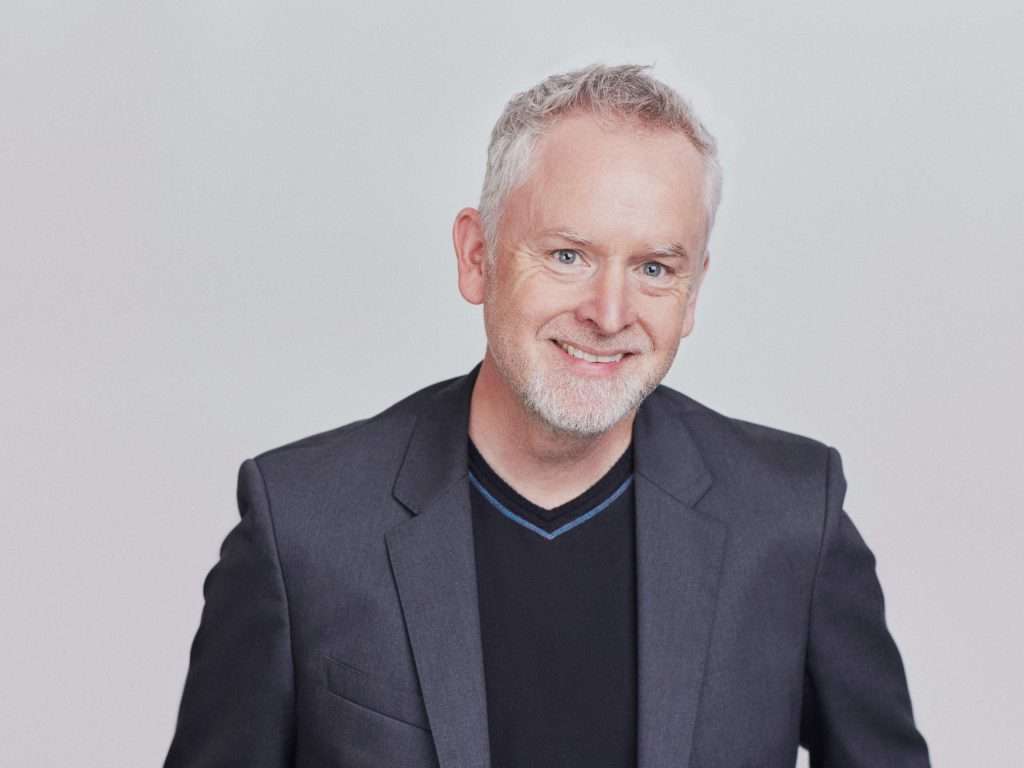
Sage’s global chief technology officer, Aaron Harris, put himself through university by building accounting software. Decades later, the cloud pioneer believes the future belongs to tech leaders who learn faster than code evolves. In this exclusive Q&A, Aaron explains why the ability to inspire is a CTO’s most valuable asset.
Sage global chief technology officer Aaron Harris put himself through university by building accounting software. Decades later, the cloud pioneer believes the future belongs to tech leaders who learn faster than code evolves. From pioneering multi-tenant cloud architectures to navigating agentic artificial intelligence, Aaron focuses on building trust and inspiring teams. In this exclusive Q&A, he reflects on his career, cutting through AI hype and what truly defines modern tech leadership.
Briefly tell us about your educational and career path and how you reached your current role.
My education began with a bachelor’s degree in accounting, then a master’s in information systems from Brigham Young University.
I started my professional career at the accounting firm Arthur Andersen. Ironically, that is the only role where I was not actively building accounting software. I paid for my university studies by building accounting software. I built accounting systems for both the university’s graphic design department and a construction company.
I joined Intacct during its earliest days after it was founded in 1999. For 17 years, I led its product development. I also ran its technology direction before Sage acquired the business in 2017. I helped build what's widely described as the world's first cloud architecture for on-demand financial applications. Making me one of the early pioneers in cloud accounting.
Today, I serve as Sage’s Global Chief Technology Officer.
Tell us about the memorable moments of your career, both good and bad.
I always get a thrill when running into Intacct customers. It is equally exciting when a household name like the New York Yankees commits to the Sage platform.
Hiring, developing and retaining a leadership team is highly personal. I still feel the intense emotion behind all those wins and losses.
What is the most significant challenge you are facing in your current role?
There is a lot of noise about what agentic AI can do. A major part of my job is cutting through the hype with customers and partners. I must be honest about real capabilities versus where marketing has gotten ahead of itself. Once people understand that gap, they make much better decisions about where to deploy the technology.
How are you thinking about AI and technology as the next layer of transformation for IT functions in South Africa?
For IT leaders in South Africa, the opportunity is real. However, they must establish the trust layer before scaling. Done right, this technology does not replace people. It simply clears away friction so they can focus on their unique strengths. That is the difference between innovation for its own sake and actually solving a problem.
What is a risk you took in your career that looked questionable at the time but proved essential?
When we started Intacct over two decades ago, multi-tenant cloud accounting did not exist. We were one of a handful of companies inventing it. We couldn't sell customers on 'multi-tenancy.' Instead, we sold them on what it delivered: seamless upgrades and reliable cloud benefits. We thought it would flip the market in under two years. While we were right about the technology, we underestimated how long it takes to earn trust. In finance, building trust is a slow, meticulous process. A business takes years to trust a platform with financial data. Building an ecosystem of supportive partners, developers and accounting firms takes equal effort.
If you could go back and advise yourself before stepping into the chief technology officer seat, what would you tell yourself about what the job actually demands?
Looking back at my early decisions, I realize I was often overconfident. At other times, I should have trusted my instincts. Learning the difference between the two requires years of experience and many hard lessons. I often wish I could go back with the experience I have today. If I had to give myself advice, I would say: always return to your core principles. These principles enable swift, confident decision-making. When a choice challenges them, take more time to analyze the situation.
For the technology leaders coming up behind you, what is the skill that will define whether they succeed or get left behind?
The most technical person in the room will not necessarily win. Success belongs to those who learn faster than technology changes. You must also bring people with you as you grow. For CTOs in particular, your ability to communicate and inspire is your most valuable asset.
What book, podcast or hobby are you currently enjoying?
AI has enabled me to supercharge my learning, so I find myself picking up more hobbies than I really have time for. Lately, I've been learning how to create custom content for flight simulators, from building 3D objects to sourcing real-world data.
What is the latest technology you have been experimenting with on a personal level?
I've setup my own agents using open-source platforms like OpenClaw and Hermes. It's a great way to immerse myself in the technology shaping the future, even if I'm only using these agents for hobbies like building 3D objects for flight simulators.
What are your personal goals or bucket list items for the year?
My fiancé and I put together a reading list this year, focused on mid-century American authors like Kurt Vonnegut and Hunter S. Thompson. It's been fun, but next year's list will focus more on storytelling and less on fighting authority. I also have goals every year to stay active cycling and hiking, plus an education goal for a hobby I probably don't have time for, like 3D modelling.
How do you define a “good life”, and what role does your work play in achieving that?
A good life is filled with purpose, and the means and opportunity to achieve it. I'd say a good life's purpose is a journey, rarely an achievement or a destination. I've been fortunate to have a career tied to my purpose, that's why I've had essentially the same job for over 25 years.
What does your morning routine look like?
I don’t love morning exercise. However, if my schedule prevents a later ride, I will start on my bike. Then I spend an hour reading and drinking black coffee. I have a daily selection of newsletters to stay current with technology and global news.