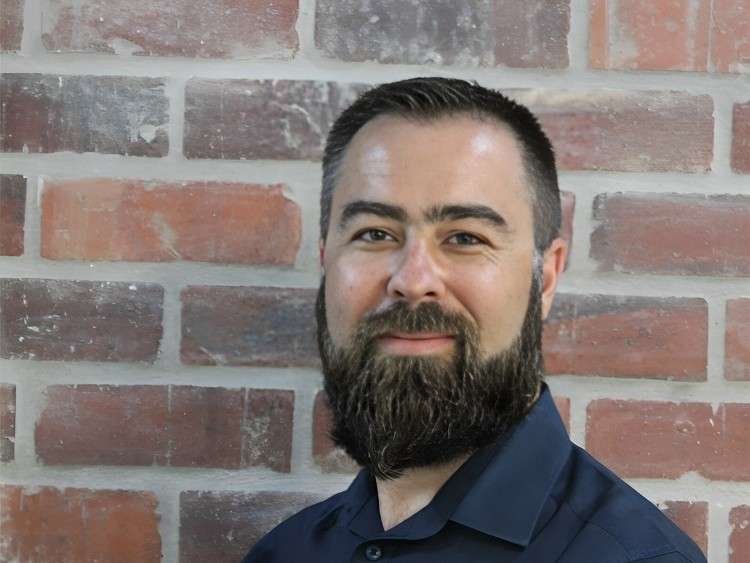
Stor-Age’s group head of ICT, Schalk Lesch says that in his environment, technology serves as a crucial enabler – supporting staff, streamlining operations and enhancing efficiency rather than replacing human-driven processes.
On CIO South Africa’s quest to uncover how technology empowers organisations for greater operational efficiency, the community caught up with Schalk Lesch, group head of ICT at Stor-Age who explains that technology serves as a great collaborative tool for better business outcomes.
Stor-Age was established in 2006 and has grown from one self-storage facility in Cape Town to 107 across both South Africa and the UK. Locally, they redefined the industry, and in the UK, grew their brand ‘Storage King’ to become the fifth largest operator in the country.
“We do short-term month-to-month leases,” he says, explaining that there are many customers that move in and out each month. “This creates a high rate of new client processing. There’s a high volume of transactions resulting in many. So, lots of repetitive tasks etc. As such, we’ve developed a system that automates 90 percent of the tasks. We are meticulously focused on efficiency and the adoption of technology wherever possible, without losing the human touch that our customers rate us so highly for.”
Bespoke solutions
Schalk’s team leverages international systems like Microsoft SharePoint and Low-Code platforms, enhancing and customising them to meet South African standards and Stor-Age's specific needs.
“We did find that for those internal processes, Low-code has been the difference for us,” he says, highlighting how, unlike fully custom-built in-house systems, these enable the team to save time and explore multiple systems.
“The key is which technology to adopt early, which to wait on, which to pass completely - to build up that discernment if you like,” he adds.
At the heart of Stor-Age’s ICT department is the tenant management system. This technology simplifies customer onboarding, enabling digital lease agreements, secure payments and automated communications.
“Having a SharePoint environment is beneficial for us. This allows us to use our apps and automate certain processes, and also internal systems where store staff have to request a security deposit, refunds or rate changes for example, to organising processes end-to-end.”
Though operations and sales teams define the customer journey, the tech team ensures its execution is as seamless as possible. “We, as the tech team, have to come in and enable that and digitise that process wherever possible to the benefit of both our customers and our staff,” he adds.
Cutting edge security
In South Africa, a key focus for the company is security through controlled access tag-based systems.
“Tag readers allow customers secure access to our properties. Tags are then coded to only allow customers access that is relevant to them, such as the floor their unit is located on. A large number of our properties have individual door alarms fitted, so we can see when somebody is on site or if someone has not closed their unit properly and left the premises. Also, if a customer’s unit is open, but they didn’t tag in, then our store staff are notified to investigate,” he says.
In the UK, keyless entry systems like Nokē at selected properties (an electronic smart lock & access control system) allows customers to access the property and unlock their units using an app and Bluetooth authentication from their phones.
Remote camera surveillance is powered by advanced motion-detection algorithms from partners like Verifier, ensuring customers and their assets remain safe.
In Schalk’s department, security is key for both the customers' physical assets and personal information. “We are incredibly diligent with our customers’ information and how data is used. While our focus is on renting space and keeping people’s belongings secure, we also firmly believe in keeping their digital information safe as well. So, as with your couch and boxes safe in the unit, we are doing the same thing with your personal information on our network,” he concludes.