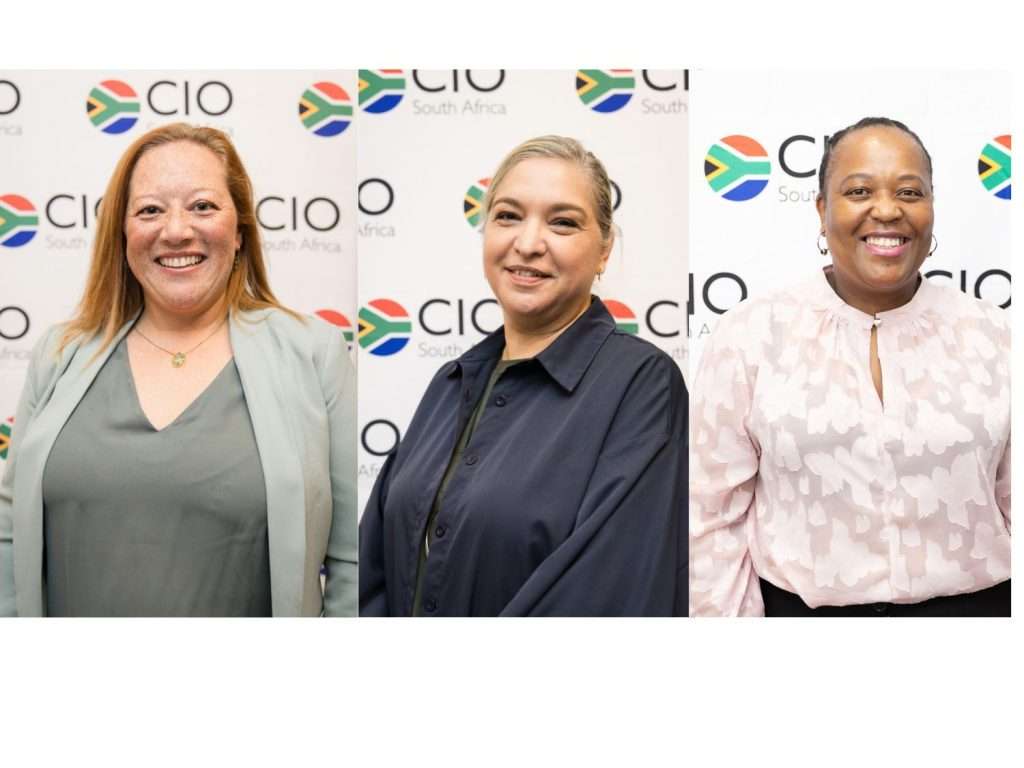
As artificial intelligence and automation reshape the job market, technical knowledge alone is no longer enough to secure a job. Top executives, including Heineken digital and technology director Corlia van Zyl, head of IT at SANPC, Pumie Mphuthi and digital transformation manager from the City of Cape Town, Kelly Searle-Smith explain why resilience, psychology and continuous learning are the true keys to building a career in technology.
The rise of automation has left many wondering how to prepare for careers that might not even exist yet. To find out what it takes to succeed, we asked three IT leaders what advice they have for high schoolers, university students and mid-career professionals looking to pivot.
Pumie Mphuthi, head of IT at South African National Petroleum Company (SANPC):

I will address this mainly from a people perspective and leave the technology part for a moment, because I think it starts with the person. It starts with how we build our resilience as humans and as children.
We need to start by building resilience within our young children because they are not designed like we were. Our generation could take anything in and turn it to gold. We have been through a lot. However, we have made it very easy for our children, which has taken that resilient skill-building opportunity away from them as we raise them.
One of the most important things we would like to impart is patience and resilience, because the younger generation lacks patience. When the young ones come to work, they feel entitled. They expect a high salary immediately and another increase the following year. This is the sense of entitlement we have raised them with.
In terms of technology, there are beautiful skill sets coming up. Data science is one of them. My child is in grade 11 right now, so we are looking at those careers. Even in finance and accounting, everything involves AI and is getting automated. They need the ability to learn those skills and look at the careers that will build future AI bots.
We are talking about automating manual jobs, and that does not just happen. It is going to require a different type of skill to manage that automation – to teach the bots and the AI agents.
In this day and era, going into the future, we need to teach our children about careers like data science, which is not going away. The automation of finance and bringing AI into everything are crucial, so we must let them grab those key skills. It needs to be part of the school curriculum now, starting from primary school. We need to start teaching AI early.
This way, when the children get to university, it is already embedded in them, and they can create the skills that we do not even know about today.
Kelly Searle-Smith, digital transformation manager, City of Cape Town:

Technology evolves so quickly, and you cannot always keep pace with it. For me, what is even more important than learning the latest technology is people skills.
I would suggest they also focus on building softer skills, which might seem like a strange recommendation. However, studying something like psychology or industrial psychology, or learning about stakeholder engagement and change management on technical implementation programmes, is critical.
You cannot implement anything of a digital nature without thinking about the people you are impacting.
You need to understand how to get people to embrace and adopt the digital change you are implementing. It is really about being able to explain things to them in layman's terms that are not technical.
Obviously, it is wonderful to have a computer science degree, a data science degree or an IT qualification. I have a BSc in chemistry and applied chemistry, and for fun, I actually did psychology. I found having that as an extra subject has really assisted me throughout my IT career in understanding how to connect with people and taking them on that digital transformation journey along with you so that they are part of it.
When they feel like they are heard and seen, they are more likely to embrace the change you are trying to implement. That is my advice.
Corlia van Zyl, digital and technology director, Heineken

I can use my son as an example. Although he is studying formally currently, he is also doing some internship and temp work. For him, it is eye-opening. It is surprising to see the real world versus what he is really learning at university.
I would say be very open to doing internships. I know the money is not a lot, but the reality is you get practical experience, and practical experience gives you something on your CV. Something on your CV gives you a job.
For university students, the world is changing. The world of universities and degrees is going to be less important. There are so many opportunities to do short courses, online courses and on-the-job learning with companies. Historically, we were so fixated on degrees. I believe the future is not going to be so fixated on degrees anymore.
I think somebody who has already built a career, specifically people in the IT environment, needs to stay relevant. At this stage, obviously, it is AI and automation. If you think you are still going to get away with your traditional SAP skills, you will not. You will have to change. You need to be open to almost learning from scratch.