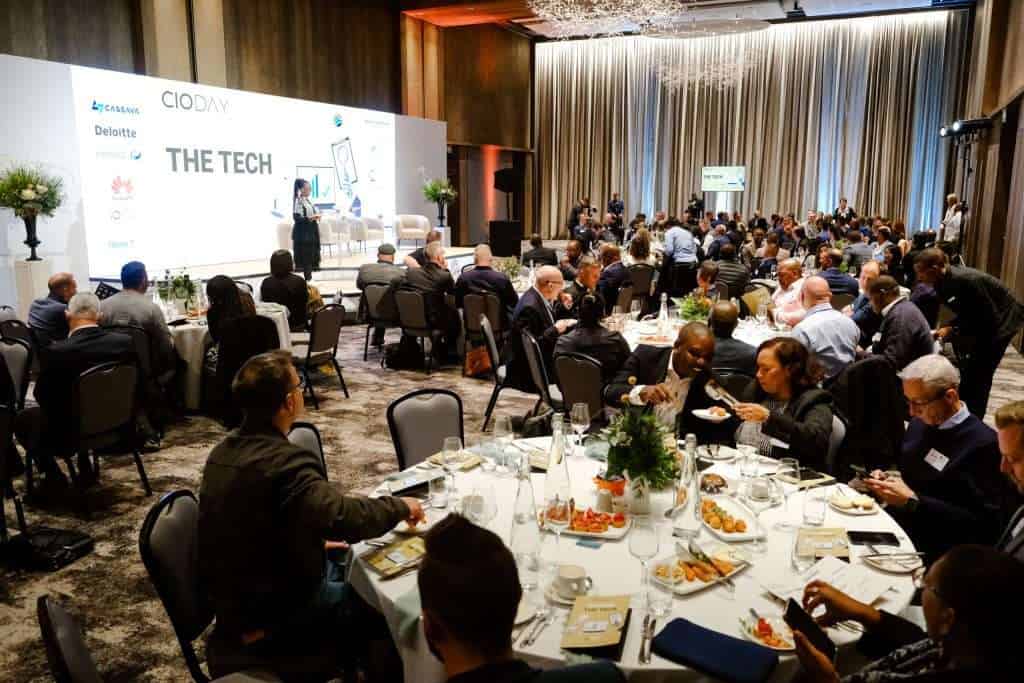
For CIOs today, the biggest challenge comes at the intersection between strategy, business impact and innovation. In order to successfully navigate this crossroads, IT leaders need to go beyond the technology and learn new skills that will help them influence the direction of their organisations.
During the 2025 CIO Day that took place on 27 May at the Marriott Hotel in Melrose Arch, Johannesburg, South Africa’s top tech executives gathered to discuss the changes currently happening in their roles.
Tailored to the community’s requests, CIO South Africa took a different approach to its usual events, putting the leaders into smaller, back-to-back brainstorming sessions where they could come up with solutions for some of these challenges, together. While every room had its own topics to explore, with various leaders adding different perspectives, the overall consensus kept coming back to better education.
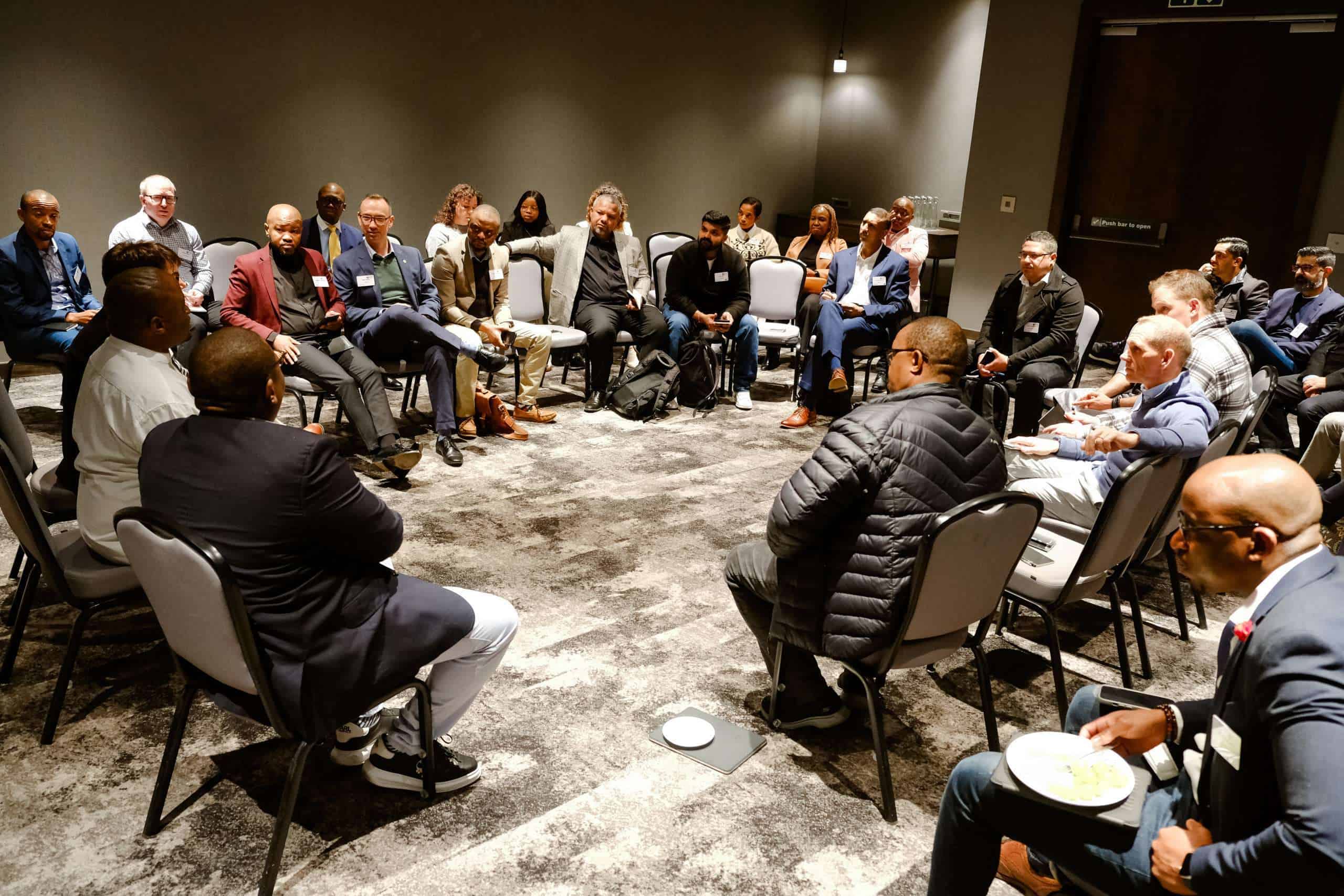
“The biggest barrier in South Africa’s digital ecosystem is a lack of education and skilled talent,” one attendee pointed out. “If you compare us to places like China and India, their economies are booming because they invest in their education. And while South Africa’s government has initiatives like the YES Programme in place, these candidates are still not employable. If we can get the education right, people will become employable, they can feed themselves and then they can start looking at digital products.”
Whether you’re talking about data literacy or the next big elephant in the room [AI], you have to educate the business first to get the buy-in. “At the same time as we’re expected to understand business jargon, we need to educate our business on topics like AI to make sure they embrace the right technology,” another attendee shared.
They suggested starting with these important questions:
- What are you trying to achieve?
- What is the right tool you will need?
- What will the value add (ROI) be?
“CIOs are not just people who plug in the cables or deliver the desktops. We have years of experience to understand how IT really works and how the digital landscape comes together,” explained De Beers Group CIO Debbie Vermaak during a breakaway session. “Use that strength when you’re in the room with your fellow executives and make them appreciate the wealth and knowledge you can bring.”
At the same time, in another breakaway session, Transnet CIO Pandelani Munyai echoed that it takes strong leaders to bring other people along, explaining that this is only possible if you ignore the noise. “Your job is to ensure IT functions today, not to succumb to the pressure to digitise and automate. Stand your ground, or others will try to change your strategy.”
Leading with conviction
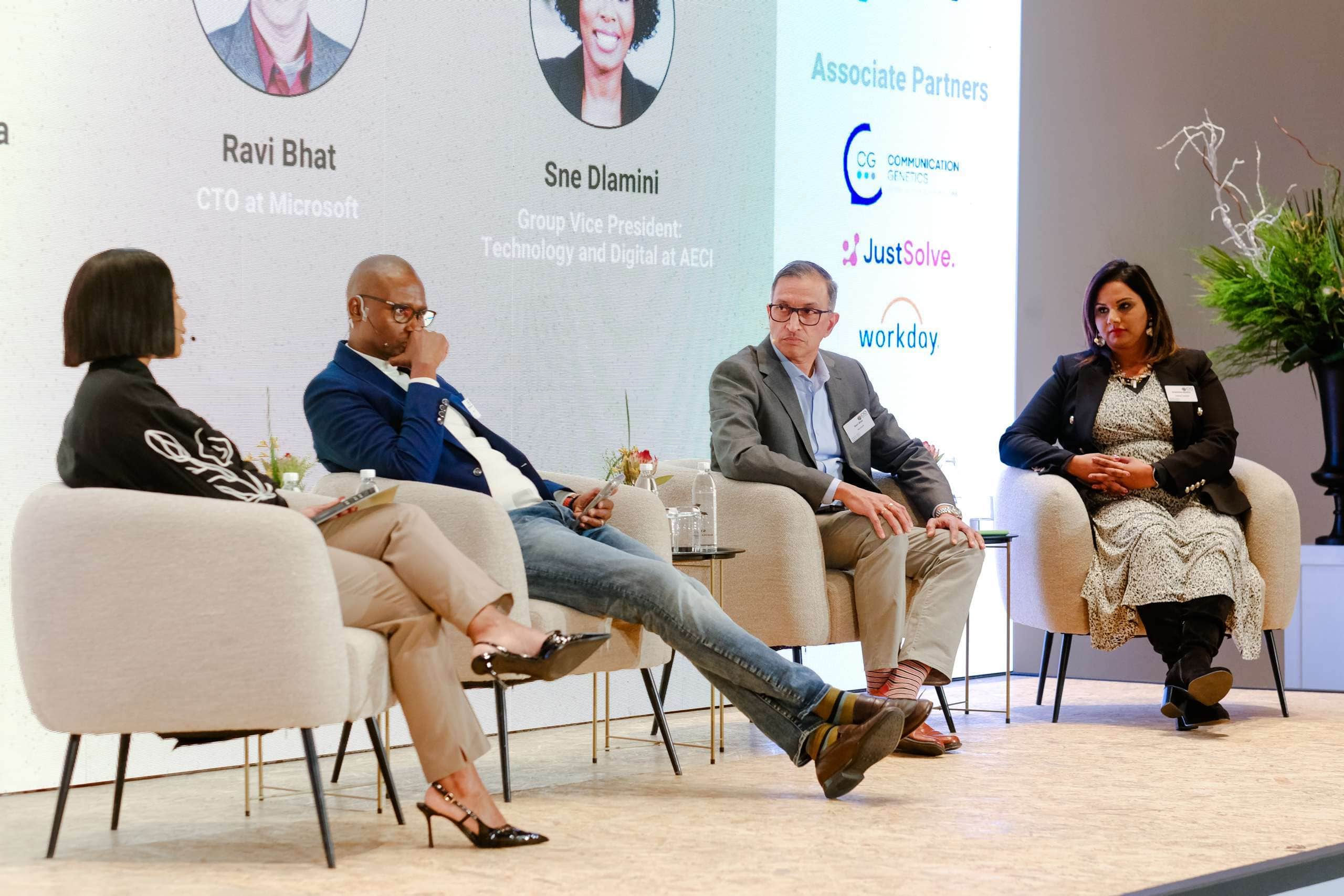
In a panel discussion featuring the CIO’s C-suite counterparts, Microsoft CTO Ravi Bhat said that lots of people do not adopt or embrace AI because of fear, which is why education and upskilling are so important. “Once you understand the power of AI, then embracing it is not a big issue.”
Webber Wentzel CFO Aneshree Naidoo explained that the best way to get their buy-in is by aligning the IT initiatives with the objectives of the organisation. “By having that strategic alignment, the endorsement from leadership will come naturally, because it’s part of the business agenda,” she said.
She noted that CIOs should highlight the benefits of why we need to embark on an initiative – whether it’s saving costs, managing risks, or navigating legal developments – as well as the return on investment when they present their strategies to the rest of the C-suite. “We can’t just be implementing tech for tech’s sake.”
Vodacom CHRO Matimba Mbungela says CIOs need to live with conviction on a daily basis. “You need to challenge yourself as an industry partner.” Aneshree backed this up, explaining that she regularly tests her IT peers to understand the why and the how around the initiatives they want to implement.
Once the C-suite is aligned, their teams will follow. “People emulate what leaders do, they don’t just take instructions and execute,” explained Ravi. “We have to model the right behaviour and show them how it is done.”
Soft skills still beat the technically adept
Later, in another breakaway room, Toyota VP of IT Devan Reddy unpacked this even more, pointing out that there has been a shift from technical commands towards emotional engineering within organisations over recent years. “In the past, your technical skills earned you a seat at the table. Today, leadership hinges on emotional intelligence, resilience and influence,” he said. “For example, I’m the head of IT, but I’m not a tech guy; I’m an engineer with a lot of business experience that has made me good at problem-solving and working with people.”
He added that much of a CIO’s impact now depends on how well they influence their peers. “If you don’t have a voice that bears teeth, you are going to struggle.”
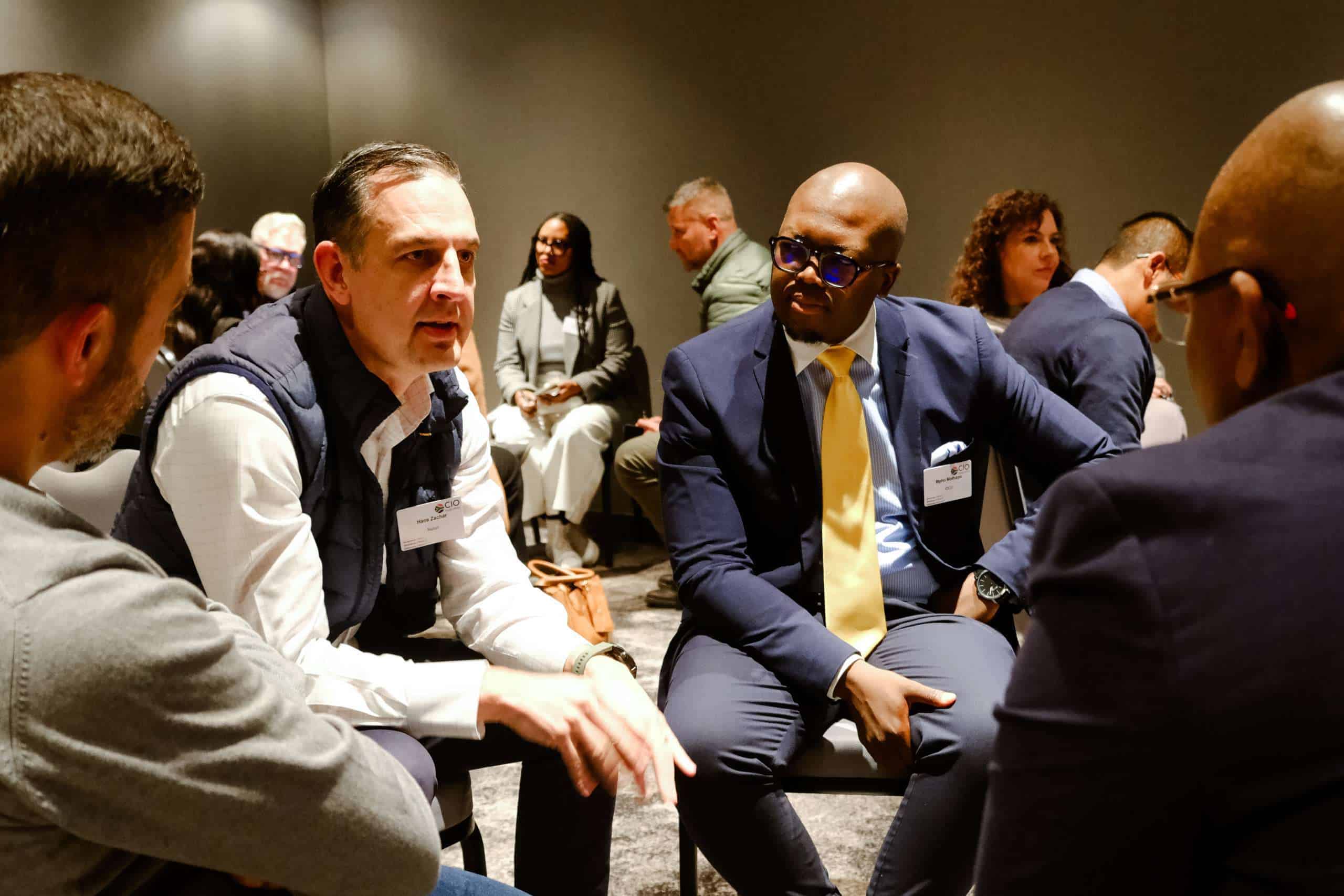
The conversation came full circle back to the topic of literacy. “The more technical people in our team are often more disengaged and don’t want to stand up in front of a crowd. They prefer sticking to the back office, because they struggle to articulate what they want to say. We need to develop these soft skills, both in our teams and ourselves, to be able to sell technical stuff,” an attendee mentioned.
This is evident in many of the attendees' succession planning. “The person getting the role might not be the guy who knows everything about every IT environment and system, we need leaders who can listen, empathise, challenge and inspire,” someone else said.
CIO Day was made possible by principal partners Cassava Technologies, Deloitte, Entelect, Huawei, iOCO, and MakwaIT, executive partners Equinix, HCLTech, and Hyland, as well as associate partners Communication Genetics, JustSolve, and Workday.