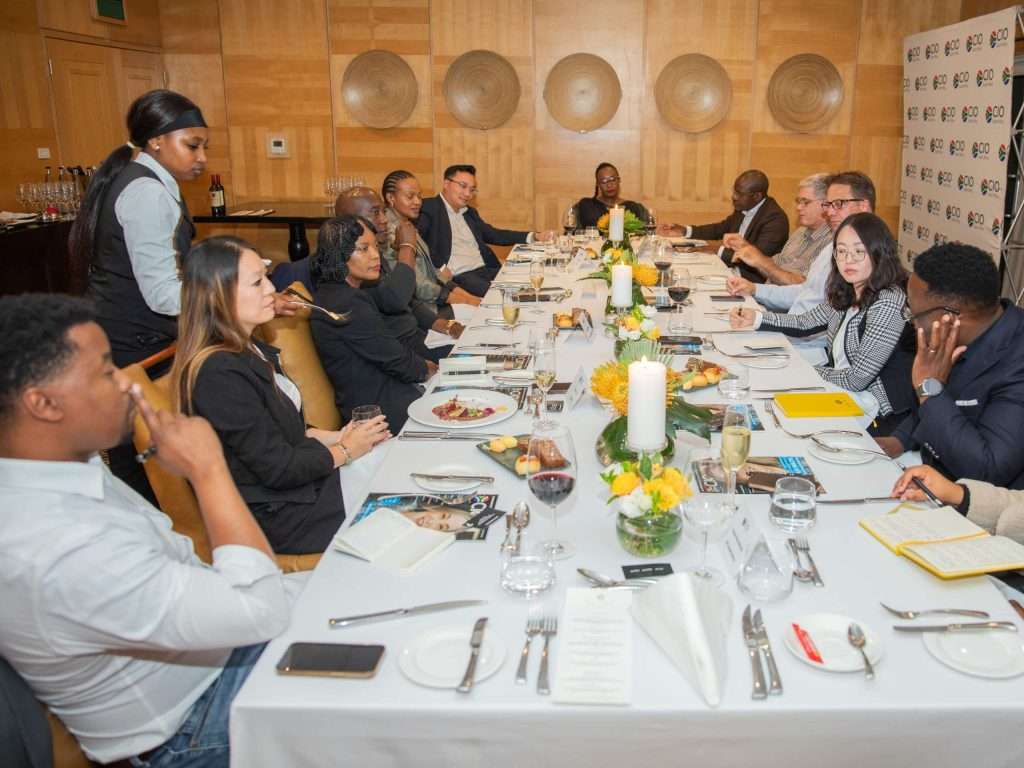
On 6 November, CIO South Africa hosted an exclusive dinner at the Saxon Hotel, bringing together leading IT executives from the mining sector to discuss the challenges and opportunities shaping technology in mining.
CIO South Africa’s first industry-specific dinner, which was supported by principal partner Huawei, explored how technology is redefining efficiency, safety and sustainability in one of the country’s most traditional and manually intensive industries.
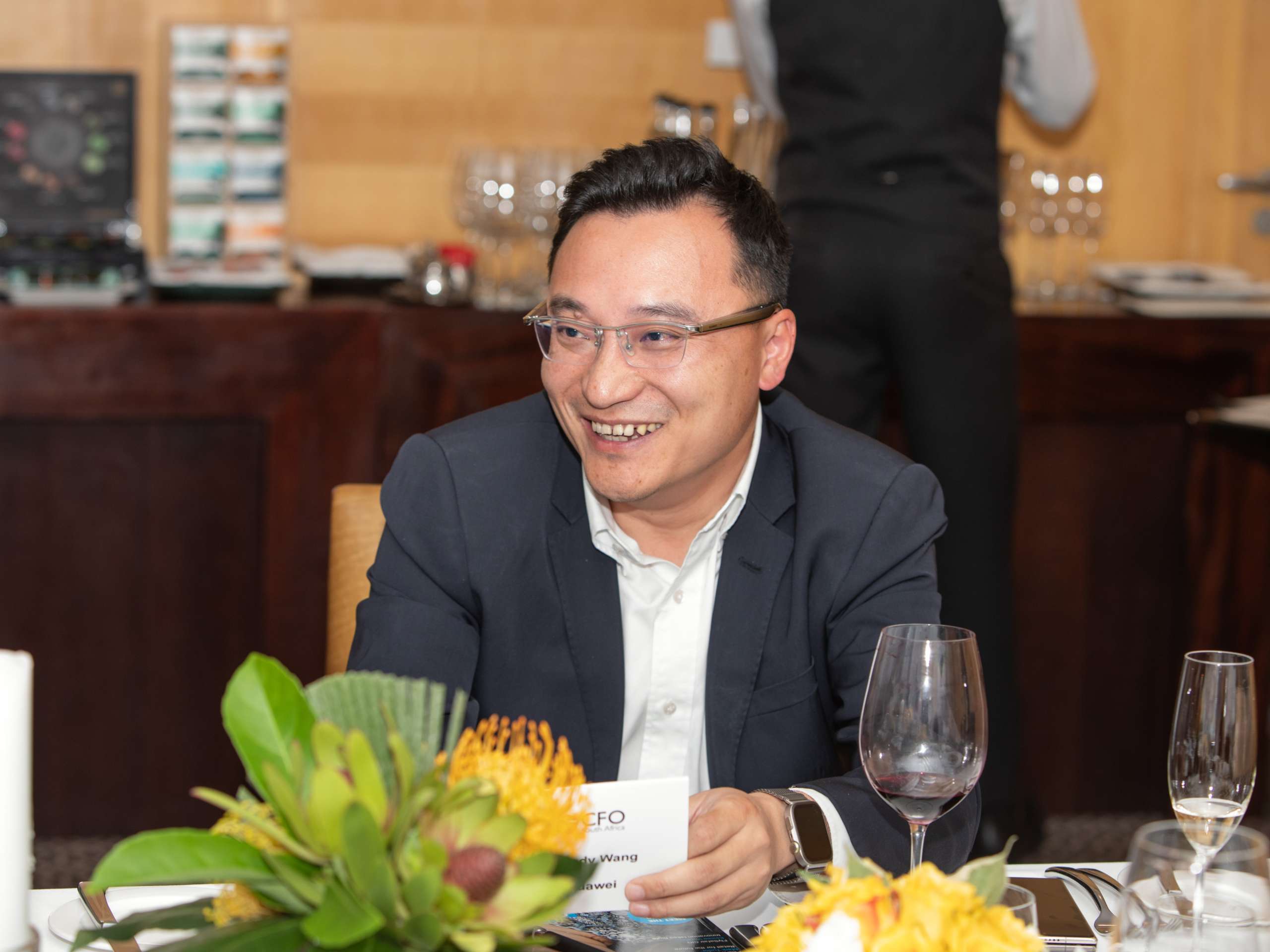
The dinner began with light-hearted icebreaker questions to set the tone for the evening. One guest recalled late-night strategy sessions at a McDonald’s after conferences, where ideas scribbled on serviettes eventually became implemented projects.
Another attendee said that if he were to write a book about his career, it would be titled Coffee, Code and Clarity, while a third shared a humorous observation about how friends and family often assume IT leaders can fix any tech problem, no matter how unrelated to their actual work.
“When I go to family functions or business meetings, people often assume I can fix anything tech-related and I often find myself having to field requests to fix someone’s computer or tablet,” the attendee said jokingly.
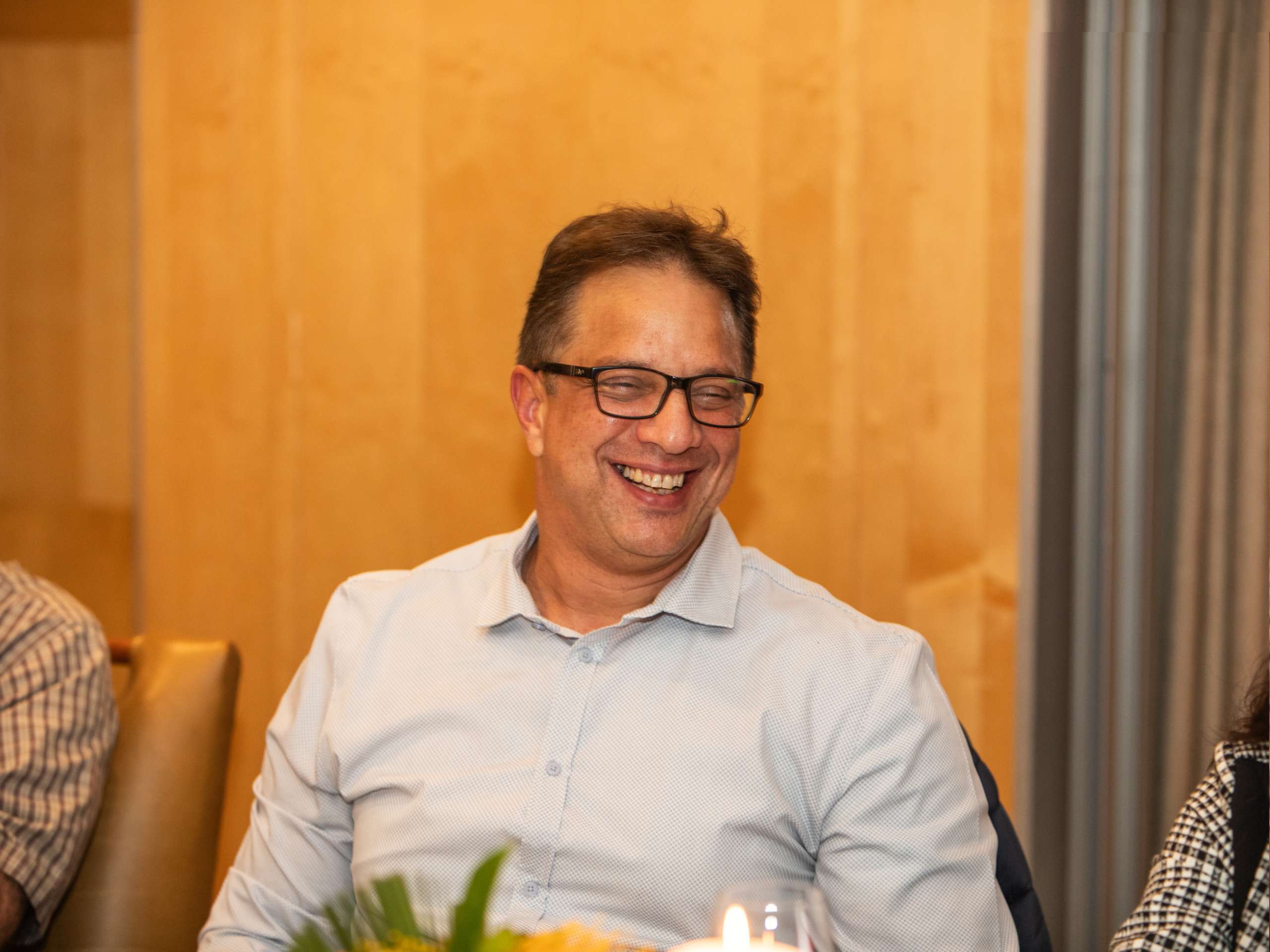
Addressing key challenges in mining IT
The main discussion opened with a focus on key challenges facing mining CIOs, including finding new revenue streams, improving on-site safety and addressing connectivity issues.
“Although mining is inherently dangerous, some safety issues stem from human behaviour,” one attendee noted. “We are looking at how AI can help us track and analyse behavioural patterns to reduce incidents.” The CIO also highlighted the potential of autonomous vehicles to minimise risk to human life in underground operations.
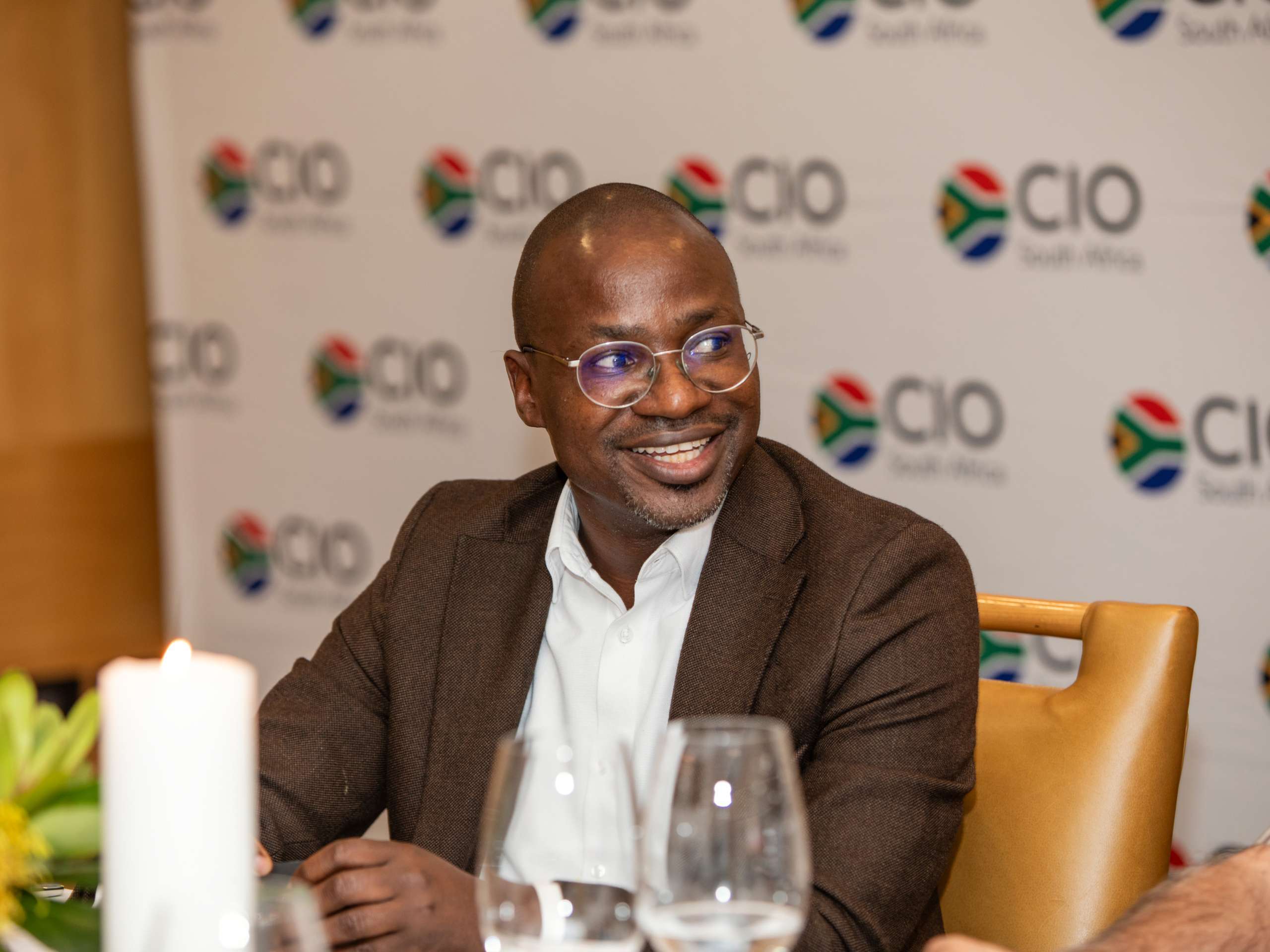
Another IT leader spoke about the challenge of operating in older mining environments with vast amounts of untapped data. “We still have unmined resources and datasets that could help us explore these opportunities, but our capability to derive decision-making insights is limited. We must leverage emerging technologies to extend the life of our mines so that future generations still have something to mine,” the attendee said.
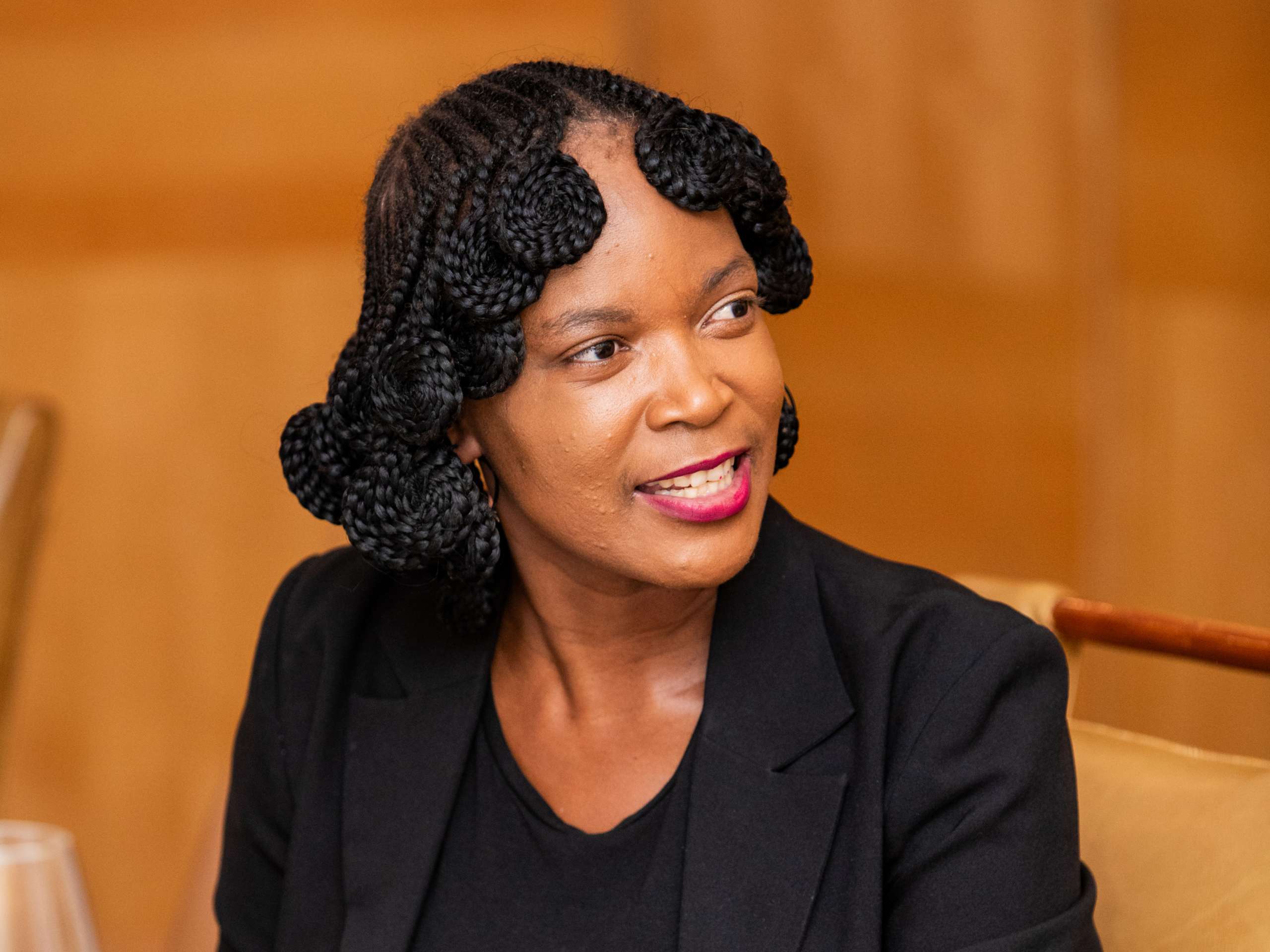
Participants agreed that technology has an important role to play in optimising performance and safety, even in environments where equipment is dated. “By embedding technology into older equipment, we can turn it into ‘talking hardware’. We need to move from reactive maintenance to predictive maintenance and that’s where technology can help us,” one guest explained.
The guest added that his organisation has already seen measurable improvements in safety and efficiency through the use of technology. “We operate around 2,000 drilling machines simultaneously, which presents massive safety issues. We have implemented collision detection, route planning and driver behaviour monitoring systems to enhance safety on the ground,” the guest explained.
Connectivity and the path to smarter exploration
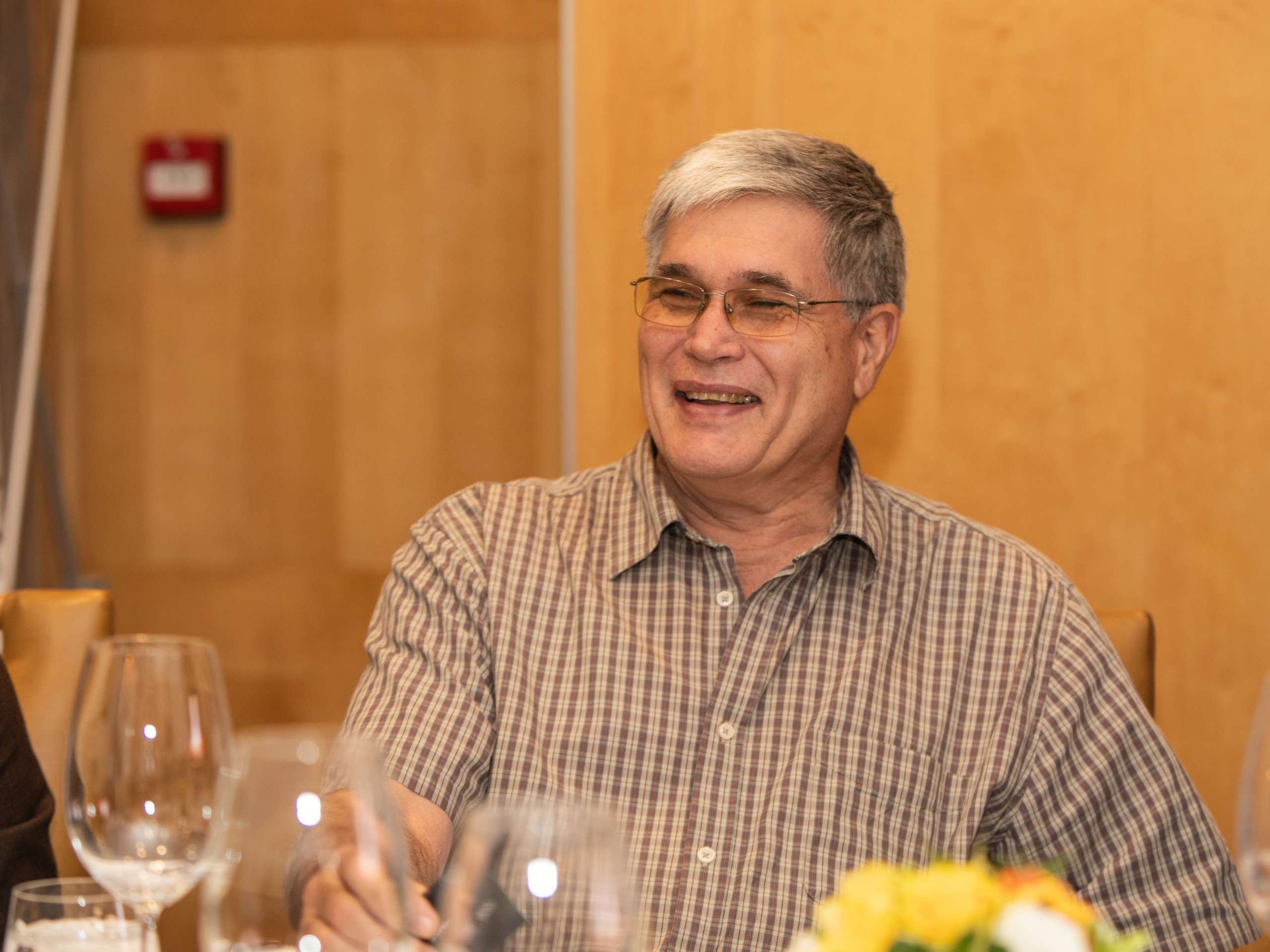
Attendees concurred that although technology can greatly improve efficiency and safety in mining, it’s essential to start with a clear purpose and ensure that the fundamentals like data readiness and system integration are in place before introducing advanced technologies like AI.
Connectivity emerged as a common pain point. “Outside of ESG concerns, what keeps me awake at night is figuring out how to use technology and data to shorten the time it takes to explore and survey land for new resources,” one CIO shared.
Limited connectivity in remote areas makes it difficult to move large datasets from the thickets to the data centre, but AI offers potential to process and analyse data locally to speed up exploration and decision-making to determine whether a resource is viable or not.
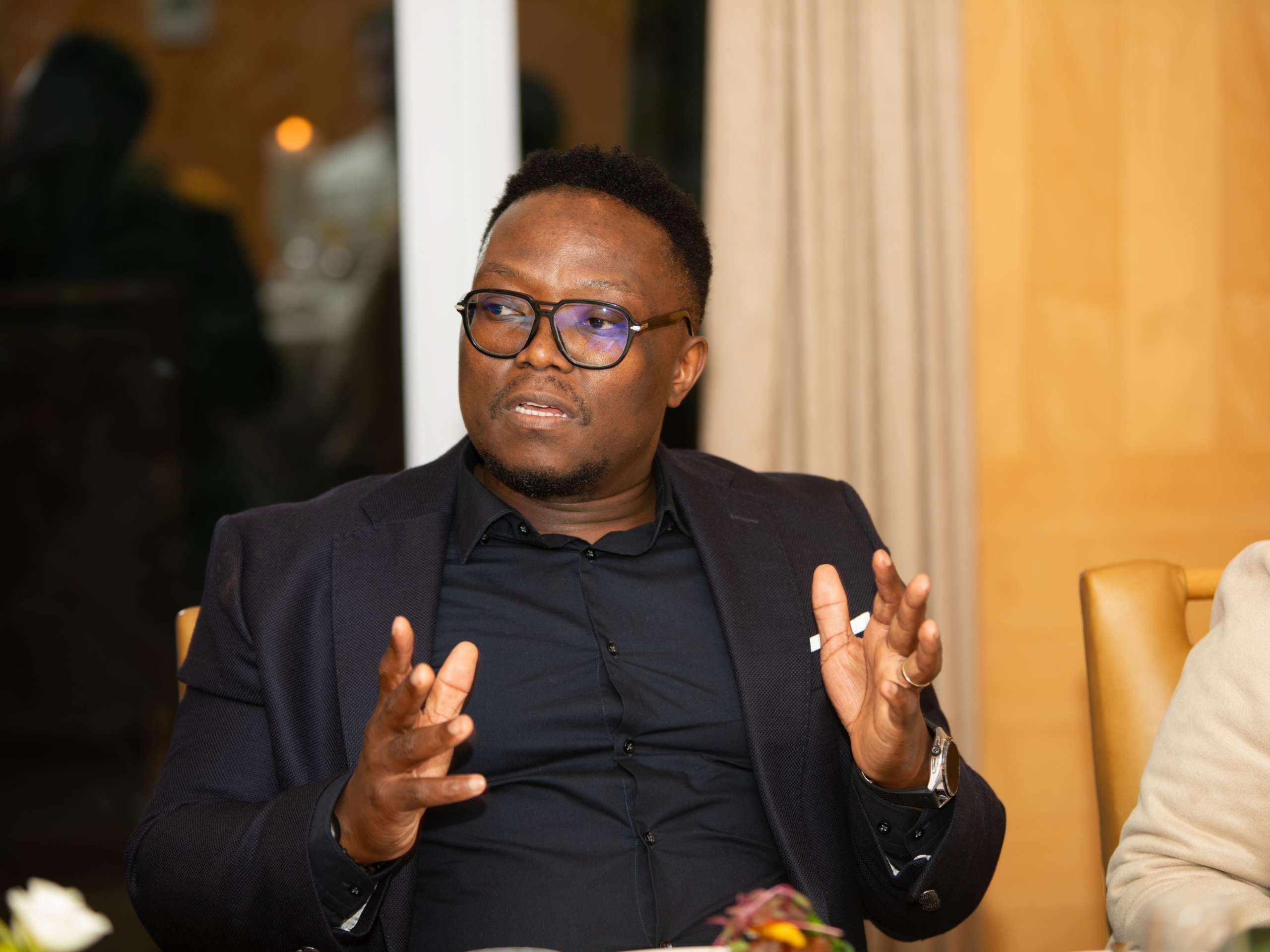
As the discussion turned to sustainability, attendees emphasised that it extends beyond environmental responsibility. “Sustainability is also about reducing the human impact,” an attendee said.
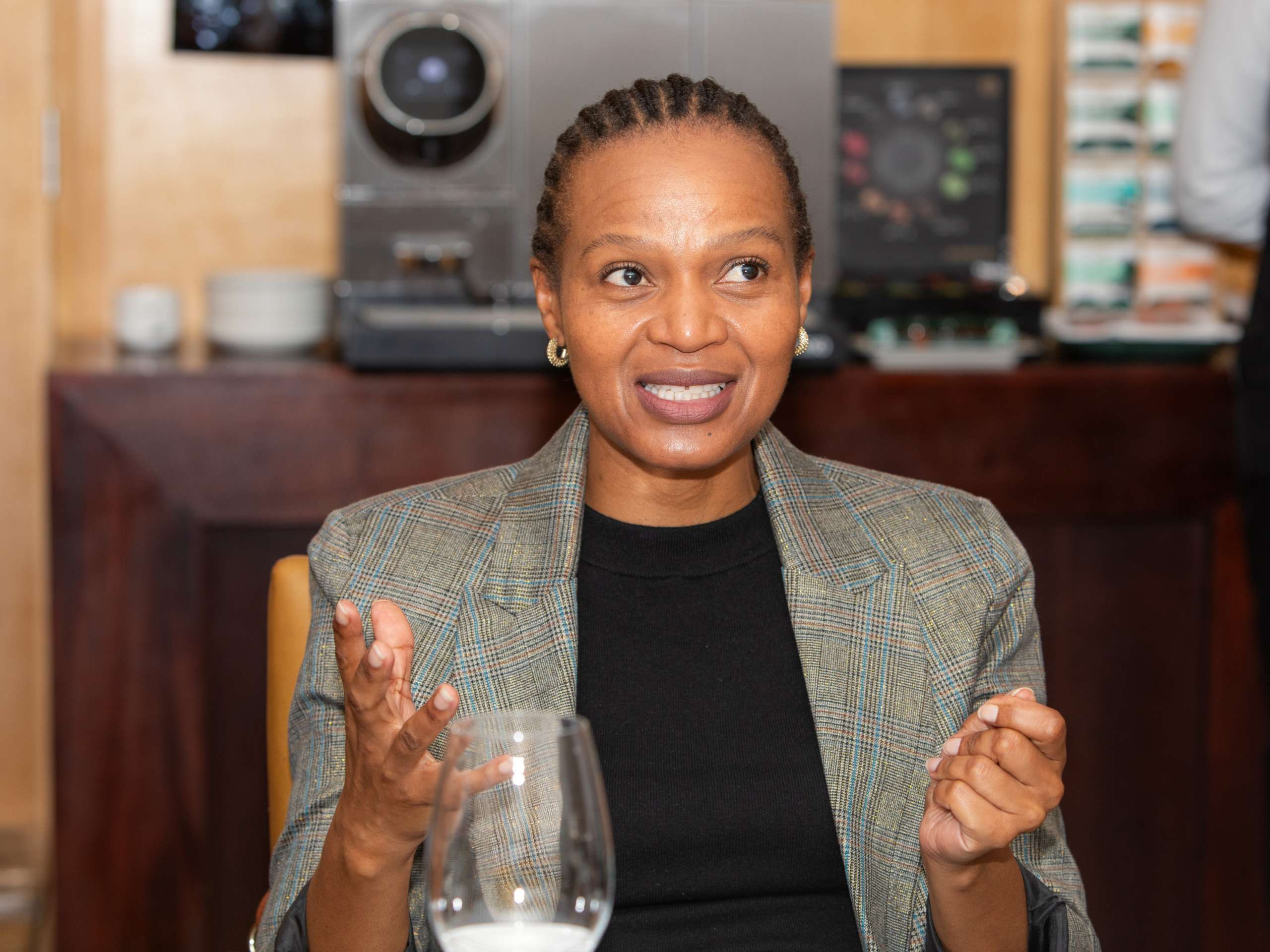
“Many small towns in South Africa depend on mines for survival. When mines close, communities collapse. We need to think about how technology can help us extend mine life and develop responsible decommissioning plans that protect these communities,” the attendee concluded.
Those in attendance were:
- Bramley Maetsa, head of delivery enablement, Sasol
- Cela Lukhele, senior manager of digital transformation, De Beers Group
- Frenndy Wang, regional director, Huawei South Africa
- Grace Pelo-Sithole, senior writer, CIO South Africa
- Johan du Plessis, general manager: technology systems, Afrimat
- Lerato Moselane, consultant, Sasol
- Lesley Ramulifho, partner, Afrinova Global
- Minmin Jiang, mining industry representative, Huawei South Africa
- Nomahlubi Sonjica, community manager, CIO South Africa
- Shaun Henderson, CTO, Tau Mining
- Tsailou Lin, director of ecosystem development, Huawei Cloud South Africa
- Tshilidzi Mafenya, IT manager, Siyanda Bakgatla Platinum Mine
- Zanele Hala, acting CIO, PetroSA