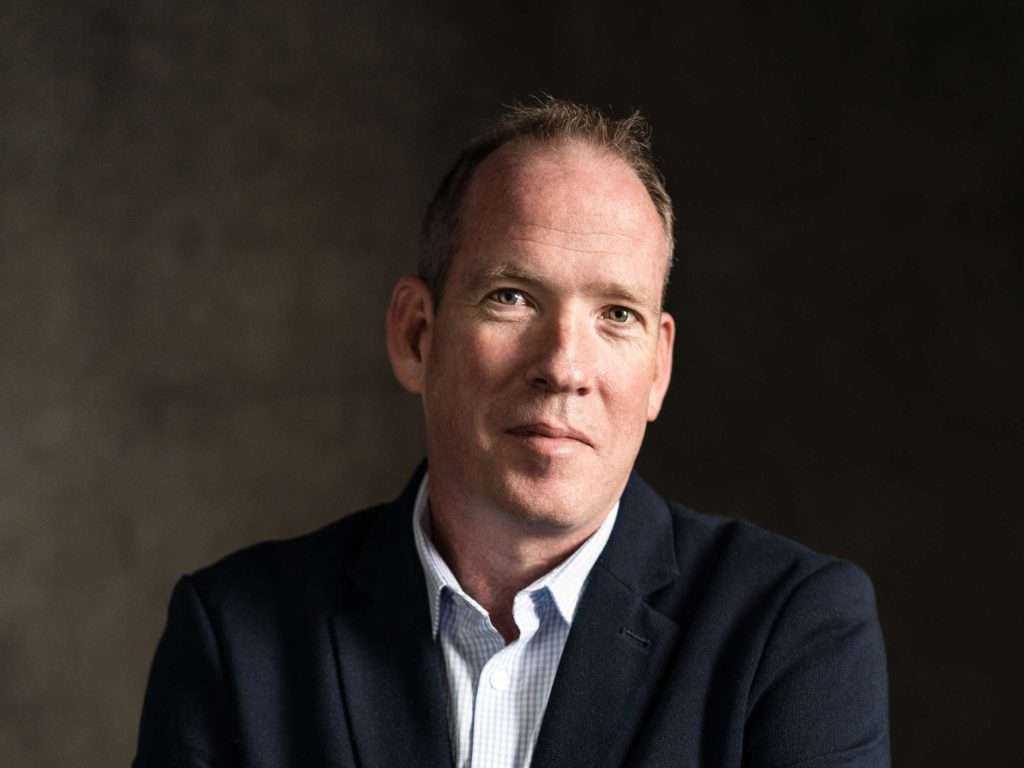
iOCO’s chief executive of cloud and AI, Richard Vester highlights the growing importance of integrated infrastructure as cloud and AI become increasingly connected.
For years, cloud and security have been equally important but separate line items in the corporate budget, managed by different teams, often with different strategies and priorities. The addition of AI has followed this trend, with most companies just adding it as another portfolio for the tech team to manage. As cloud and AI have become more deeply intertwined, this fragmented approach is doing more harm than good.
Companies that are keeping cloud, AI and security as independent domains are ignoring the fact that they are interconnected components of a single operating environment. The cloud provides the infrastructure, AI delivers the intelligence and security safeguards the integrity of both.
When cloud, AI and security are treated independently, the result is an ecosystem that looks connected on the surface but lacks true integration. While many companies are used to bridging these types of gaps, this situation leads to a number of additional challenges across all three domains: Cloud implementations don’t deliver the desired results, AI projects produce compromised outputs and security teams are constantly putting out fires.
Disconnected strategies, compromised outcomes
Since AI models are only as reliable as the systems they run on, companies are quickly finding out that separately implemented AI, cloud and security layers cause more problems than they solve. Over time, security gaps, outdated models, and cloud misconfigurations become more obvious – and have a greater negative impact – leaving companies with solutions that can no longer perform the way they need to and in some cases, become completely unusable.
Similarly, when organisations approach security in isolation, they introduce dangerous gaps. Even if monitoring and threat detection cover traditional endpoints, they can easily miss critical AI-driven processes in the cloud. What’s needed is security that moves inside the workflows themselves. That means securing the data pipelines that AI depends on and protecting the decision layer so outputs and recommendations can’t be manipulated. It also means that all environments should be designed for multi-cloud resilience, ensuring that critical workloads and data remain secure and available no matter where they run.
The digital trinity
We’ve developed an approach that unifies cloud, AI and security into a cohesive offering. This is not a bolt-on model, but a holistic value proposition built around the understanding that together, these technologies have become the digital mind of the business.
From cloud migration and optimisation, to AI model deployment, to advanced security frameworks, we provide end-to-end capabilities. Companies don’t have to try to stitch together fragmented solutions when they can leverage our breadth of capabilities that spans the entire technology stack, backed by deep internal knowledge and expertise. Our teams bring decades of combined experience, with the certifications, relationships and battle-tested experience to deliver.
Our entire approach is grounded in the principle that there is no one-size-fits-all solution for any business. That’s why we offer multi-platform capabilities, integrating solutions across platforms while maintaining robust, centralised security and governance. Our partnerships with leading hyperscalers provide access to world-class cloud platforms, cutting-edge AI tools and enterprise-grade security features.
The businesses who will lead the next decade are those who understand that the true power of this digital trinity is ensuring that you don’t have to compromise between innovation, efficiency and resilience. Our solutions are designed to help organisations meet today’s requirements while anticipating tomorrow’s challenges.