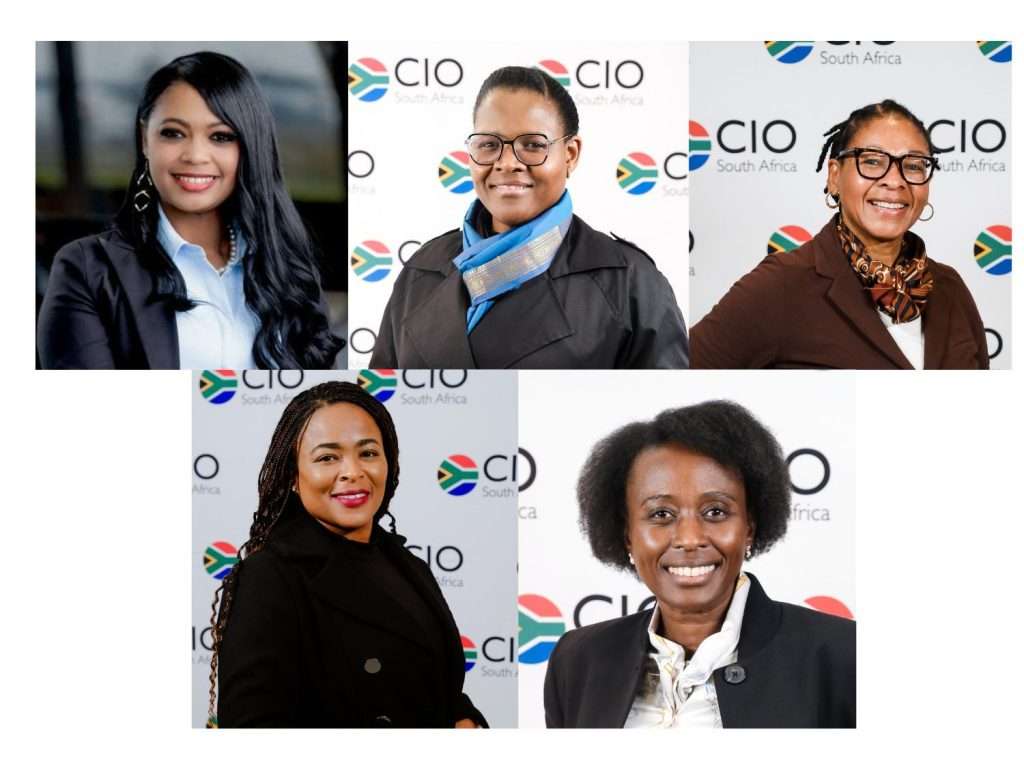
Leading technology executives speak candidly about what it takes to thrive in leadership, from dismantling the myth that technology is a “boys' toy” to managing the demanding, 24-hour accountability of modern enterprise systems.
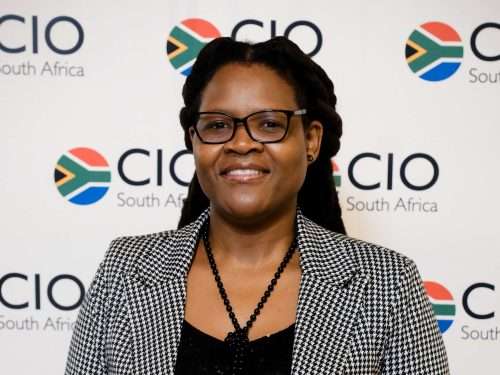
Keneilwe Gwabeni, group CIO, Rand Mutual Assurance
What is the one thing you hope is completely normal for the next generation of female CIOs that still feels like a hard-won achievement today?
Equal salary pay. I hope that this becomes completely normal, rather than something we are actively fighting for. Today, it still feels hard because we are still pushing for equal pay for women in the STEM industry as a whole.
Historically, we had to correct deep injustices regarding discriminating against women and their exclusion of these career opportunities.
We ran women’s empowerment programmes and we achieved representation – after all, I am here as a group CIO, so it worked. However, there is still a massive salary gap between male and female executives in the industry. That needs to be corrected so that 10 years from now, a CIO earns a set salary regardless of gender.
What I have seen is that women frequently deliver the same or even more than their male counterparts. The salary needs to reflect and appreciate that contribution. We have to voice it and fight for it now, in the same way that the women before us fought to ensure we could occupy these seats of influence. If they had not done it, I would not be here. Our job now is to make sure that the women coming up behind us do not face these salary disparities. As women holding positions of influence and decision-making, we have to correct this now.
If you could redesign the tech industry from scratch to be more welcoming to women, what is the first thing you would change?
I would change the intimidating terminology of technology. When I started in IT, it was big and threatening – or intimidating, to use a better word. It was filled with intimidating English and complex technical terms.
I am a rural girl; I did not learn English as a first language, but rather as a subject to be passed at school. When I first studied IT, I was terrified because I did not understand the language or what any of it meant. It made me constantly wonder if I belonged. Fortunately, I was courageous, enjoyed breaking boundaries and was a bit of a sucker for pain! But many young girls get discouraged and drop out because of this exclusive, jargon-filled “special kids’ club” atmosphere.
We must change that. If you have the brain and know how to use it, you belong in STEM – whether that is science, technology, engineering or mathematics. The only scary part is the terminology. Once you demystify it, you realise, “Oh, is that all they meant?”
What about methods of instruction, like adapting it to be in the native language of the person, or is the global industry too English-dominated for that?
That is exactly where AI can play a pivotal role. When AI first became a major trend, many critics raised concerns that it was biased because it was heavily influenced by Western, European and American perspectives. But those creators built it to work for themselves. Our challenge as African countries is to take advantage of this technology and make it work for us. Why should we point fingers at those who made it work for their own context?
It requires a major shift in mindset. Before, we faced infrastructural limitations and economic challenges. Today, we see private companies and governments investing heavily in young minds. AI can easily enable multilingual educational solutions to help people earn STEM qualifications in their own languages. We need a mindset shift: we are not just passive consumers of Western tech, trying to catch up. We must develop solutions here, with an African flavour that understands our context.
Absolutely, there is an AI-driven solution for almost any challenge we think of. We just need to structure ourselves and be intentional about using it to solve African problems. We know what our challenges are, but we are still tackling them as individuals rather than a collective. In corporate, we still focus entirely on competing with each other. If public and private entities come together to intentionally leverage technology, we can solve a vast number of our shared problems.
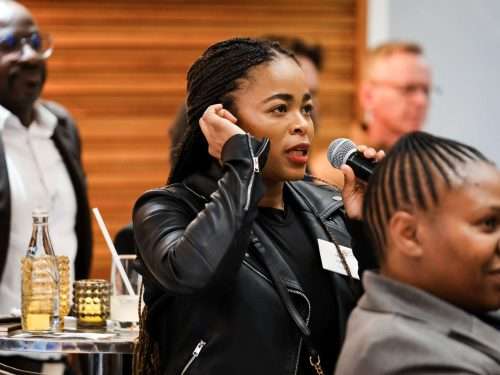
Mmule Sapula, portfolio executive, Nedbank
What is the one thing you hope is completely normal for the next generation of female CIOs that still feels like a hard-won achievement today?
For future women CIOs, I hope that it will be normal for them to completely be themselves. I hope they will not have to fit into a mould that is currently in place for most of us current female CIOs or women in technology at an executive level. That mould is unfortunately still very male-dominated and heavily emphasises a male perspective and energy. My hope is that future female CIOs can bring their authentic strengths to the table, leading with genuine feminine energy and that this will be fully accepted and encouraged.
If you could redesign the tech industry from scratch to be more welcoming to women, what is the first thing you would change?
I would change it to be more human, because technology exists to solve human challenges. If you look beyond IT at broader society, we have always used technology to solve complex problems. While it can be a highly specialised field, it is ultimately about solving human challenges. When we think about technology solutions, we must always put the human first because we are solving for people. Whether a solution is in banking, insurance or any other sector, it touches a human being at the end of the day.
Martina Madali, group CIO, Arena Holdings
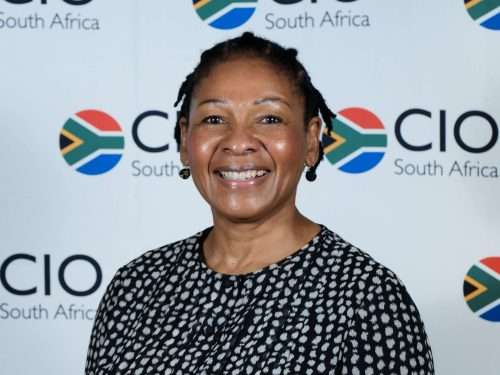
What is the one thing you hope is completely normal for the next generation of female CIOs that still feels like a hard-won achievement today?
I hope that we completely erase the distinction between men and women in leadership positions. Today, men still dominate these high-profile roles and make most of the decisions. This is largely because they are trained from a young age to believe they are the decision makers. I hope that young girls will be trained from an early age to understand that they can also occupy decision-making roles.
As we see more women getting highly educated and entering previously male-dominated spaces, their confidence will grow. While some roles may remain physically demanding, women are absolutely ready to learn, lead and make decisions in executive positions. As this trend changes, women in leadership can actively groom and train the next generation. Fortunately, men are also realising that things must change and we are seeing more of them step up to guide and mentor women into these roles.
If you could redesign the tech industry from scratch to be more welcoming to women, what is the first thing you would change?
I would focus heavily on exposure. There is still a hesitation for women to enter the tech market, largely due to the outdated belief that technology is only for men, and that women should focus on nursing or administrative work. We need to dismantle the idea that technology is a “boys’ toy”.
In my own team, I have seen young women join as interns who understand technology deeply and thrive when they are given the right opportunities and guidance. Changing this mindset is the first step to showing women they can excel in this space.
Dr Sylvia Sathekge, CIO, National Health Laboratory Service
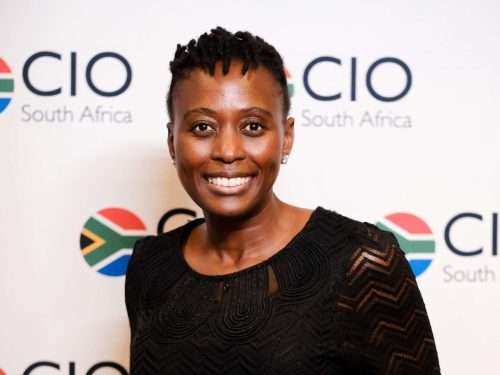
What is the one thing you hope is completely normal for the next generation of female CIOs that still feels like a hard-won achievement today?
The fact that we belong at the table and are equally capable. It should be normal, but it is hard today. We hope that the next generation will find a more transformed boardroom where it is normal that they belong.
If you could redesign the tech industry from scratch to be more welcoming to women, what is the first thing you would change?
I would not change anything, but I would perhaps mentor and induct women to understand that tech and other STEM positions are necessarily 24-hour, 365-day roles. Because we say we are equally capable, we are equally expected to show up and be there. A server will not decide to go down between 8am and 4pm; it might go down at 2am. If you are the one who is accountable and responsible for it, you have to do something about it.
Vinoliah Martin, IT executive
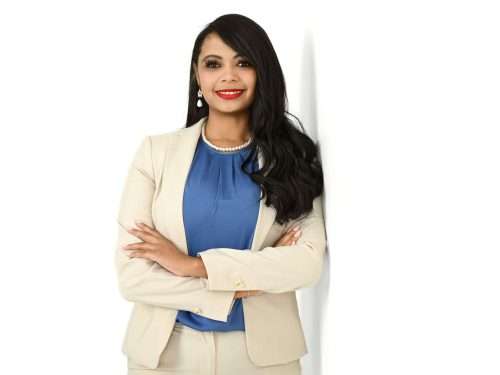
What’s the one thing you hope is completely normal for the next generation of women CIOs that still feels hard-won today?
I hope the next generation of women CIOs never has to question whether they belong at the leadership table. Their energy and talent should be spent shaping strategy, driving innovation, solving complex business challenges and creating meaningful impact, while empowering others along the way, rather than navigating biases or stereotypes. I also hope that active sponsorship becomes the norm, with leaders intentionally championing talent, creating opportunities and helping the next generation rise with confidence and lead with greater impact.
If you could redesign the tech industry from scratch to make it more inclusive for women, what is the first thing you would change ?
As I reflect on my own journey, the first thing I would change is how opportunities are created, supported and accessed throughout a woman’s career, from education and graduate programmes through to leadership development, executive succession and board representation. Too often, women still face unconscious bias and barriers that impact their confidence, visibility and career progression. I believe we need to be far more intentional about identifying, developing, sponsoring and supporting women at every stage of their professional journey.
It is also important to make female technical leadership more visible. Young girls and aspiring professionals should be able to see women succeeding as software engineers, architects, AI specialists, CIOs, CTOs, technology entrepreneurs and board members. Representation matters because it helps people believe what is possible for themselves.
As AI continues to transform the world around us, it has become more important than ever for women to have a seat at the table. The teams building, training and governing AI should reflect the diversity of the people who use it. Diverse perspectives not only lead to better innovation, but also help ensure that AI is developed responsibly, ethically and in a way that can benefit everyone. True inclusion is not just about increasing the number of women entering the technology industry. It is about creating environments where women are empowered to thrive, lead, innovate and help shape the future of technology and businesses.