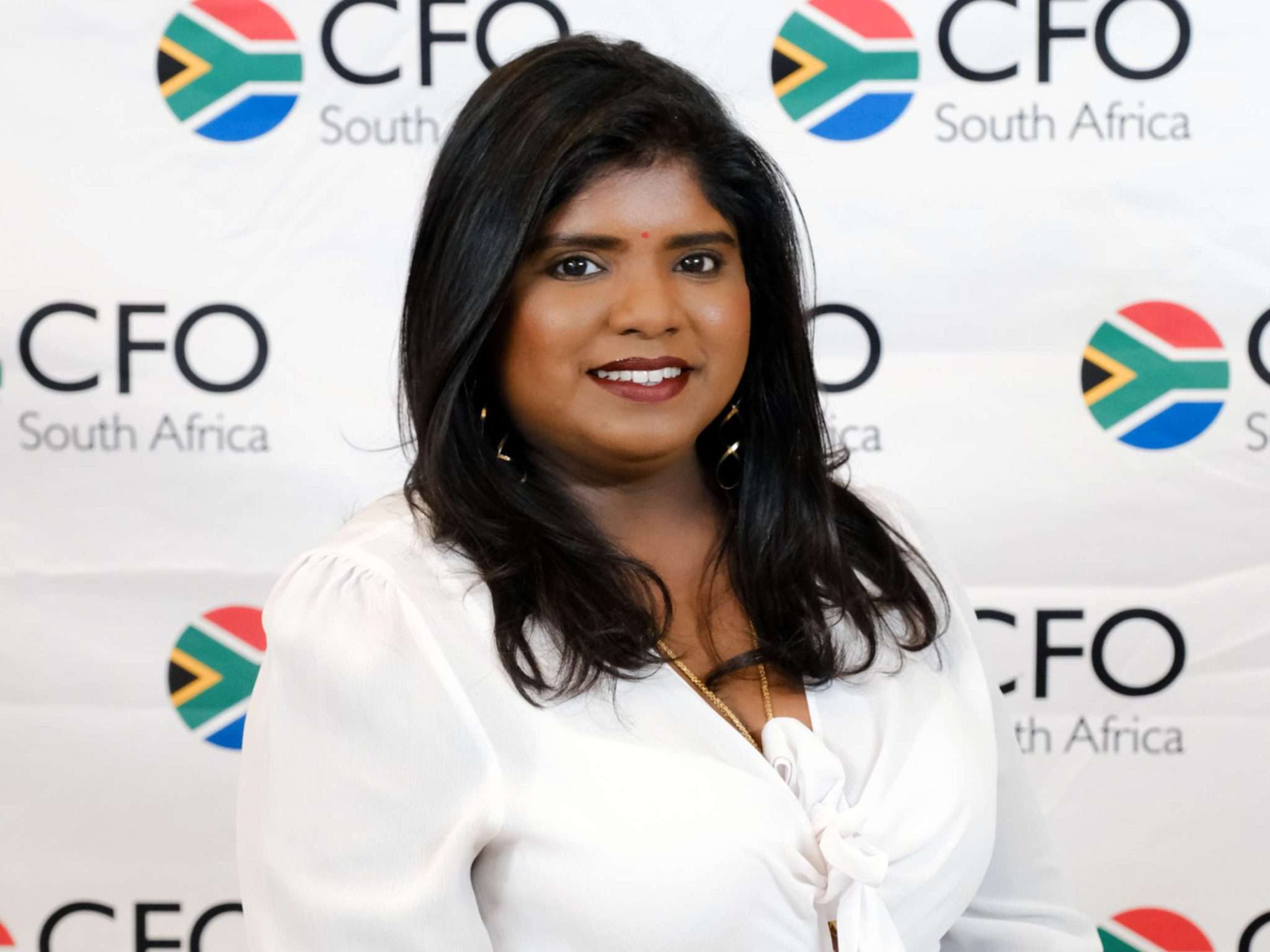
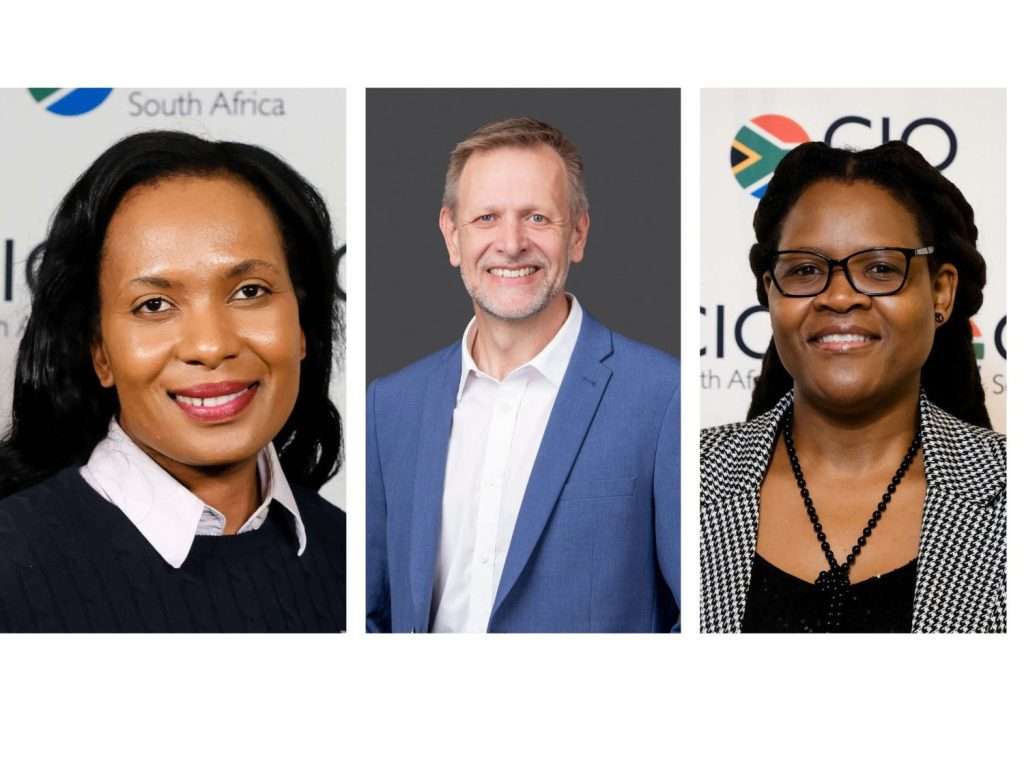
South African technology leaders Emily Mbele, David Gray and Keneilwe Gwabeni share how traditional wisdom, local constraints and human-first leadership shape their digital legacies.
To mark Heritage Day, three of South Africa’s prominent technology executives reflected on how traditional proverbs, local operating realities and community values shape their approach to technology leadership.
Rather than viewing heritage as a retrospective look at history, RMB CIO engineering Emily Mbele, iOCO chief technology officer David Gray and Rand Mutual Assurance group CIO Keneilwe Gwabeni argues that cultural wisdom offers a practical blueprint for building resilient digital organisations.
Leadership rooted in Ubuntu and community trust
For RMB CIO engineering Emily Mbele, leadership begins with the Setswana proverb “Kgosi ke kgosi ka setshaba” – a king is a king by the grace of the people.
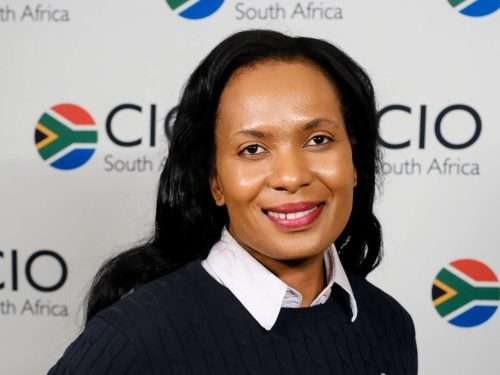
“This proverb captures the essence of servant leadership, accountability and stewardship,” Emily explained. “It reminds us that leadership is not defined by title, hierarchy or position alone, but by the trust granted by the community one serves.”
She emphasises that technology leaders have a duty to create conditions where others can thrive, ensuring power is exercised in service of collective progress and generational continuity.
Echoing this community-first philosophy, iOCO chief technology officer David Gray cites Archbishop Emeritus Desmond Tutu’s famous reflection on Ubuntu: “A person is a person through other persons; you cannot be human in isolation; you are human only in relationships.”

David extends this directly into engineering and operational culture. “Success is dependent on bringing together different skills and people, building relationships to work together to achieve an outcome,” he notes. “You cannot do it by yourself, and if you try, you will fail.”
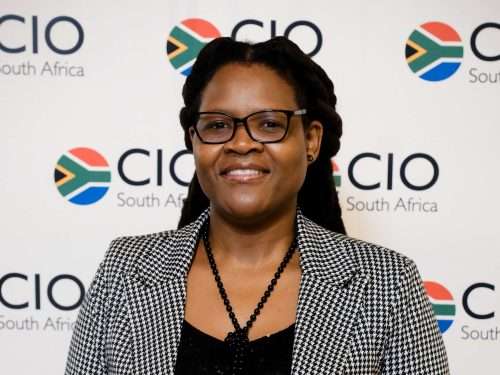
At Rand Mutual Assurance, group CIO Keneilwe Gwabeni drew on another poignant proverb: “A child who is not embraced by the village will burn it down to feel its warmth.”
She warns that when team members feel consistently excluded or ignored, disengagement follows. “Leadership is about creating a village where people are challenged, supported and given the opportunity to grow,” Keneilwe says, noting that set standards must be paired with opening doors for those who show commitment.
Turning local constraints into digital breakthroughs
South Africa’s unique operating environment – from infrastructure gaps to skills shortages – is often framed as a limitation. However, all three executives highlighted how local constraints have forced genuine technical innovation.
When faced with connectivity hurdles in rural areas, Keneilwe’s team at Rand Mutual Assurance developed an offline mobile application. The tool allows field teams to capture critical information offline and synchronise data once network access is restored.
“By overcoming network constraints, it improved field productivity, reduced service delays and helped ensure that customers in underserved and rural communities were not excluded from digital services,” Keneilwe says.
Meanwhile, both David and Emily identified the national skills scarcity as a catalyst for rethinking talent development rather than a barrier to growth.
At iOCO, David’s team responds by embedding continuous learning directly into daily operations. “Skills scarcity forces you to consistently be innovative – not only in terms of solving problems with less, but also in how we invest in skills development while bringing young and talented people into our business,” he explains.
Similarly, Emily’s team at RMB leverages FirstJob initiatives and job shadowing to build sustainable capability from within.
“Rather than treating the skills gap only as a limitation, the team has used it as a catalyst to rethink how we build capability, transfer knowledge and create opportunities,” Emily notes.
Building a mindset that outlasts technology stacks
When considering their long-term digital heritage, the executives agreed that a lasting tech legacy is defined by culture and people rather than specific software platforms or project deliveries.
David describes digital heritage as an everyday culture of curiosity and self-driven growth. “It is about ensuring that when I step out, the amazing people I work with will be bold, remain curious, never stop learning and pay it forward,” he says.
Emily reinforced that platforms eventually sunset, but organisational capability remains. “Digital heritage is less about the specific systems or platforms we leave behind and more about the capability, mindset and operating model that enable an organisation to keep evolving,” she states.
For Keneilwe, digital heritage is ultimately about demystifying technology for the next generation and using digital tools to serve those who need them most.
“When I think about the legacy I want to leave behind, it is not the systems I built, the projects I delivered or the titles I held. It is the people I inspired to believe that they could,” Keneilwe reflects.
“Technology must be used for good. If I can help remove even one barrier between a person and an opportunity, then technology has done something meaningful.”